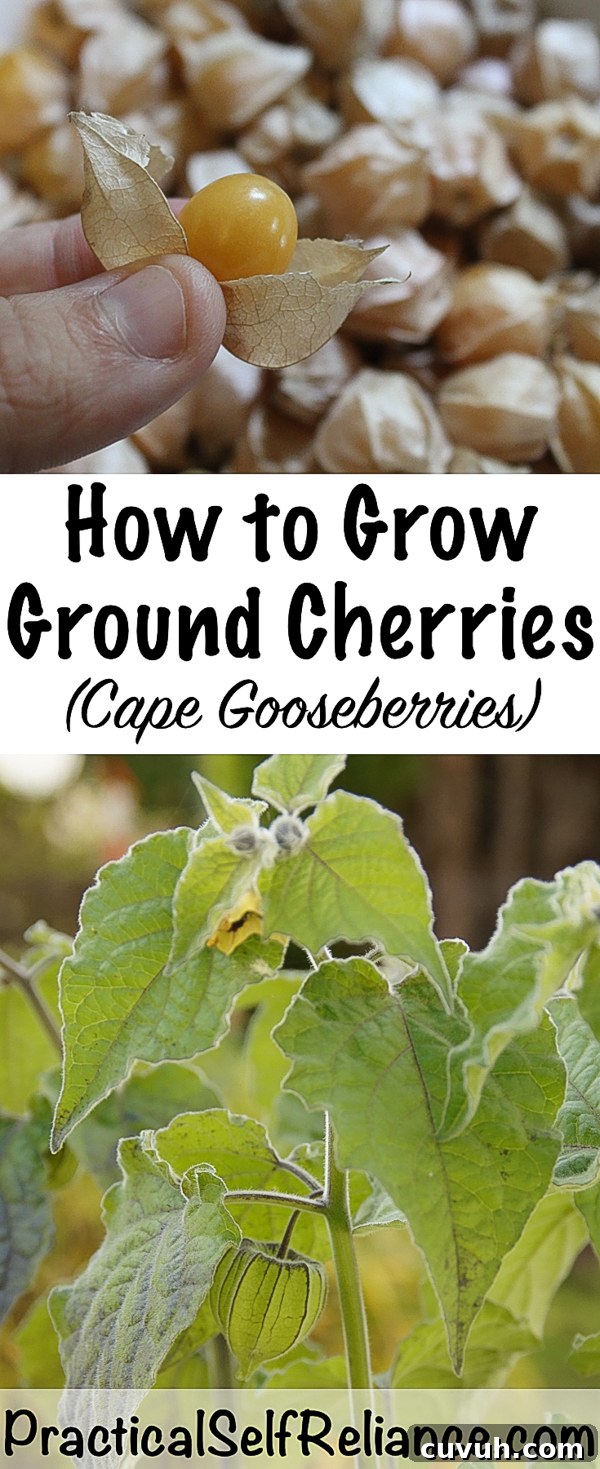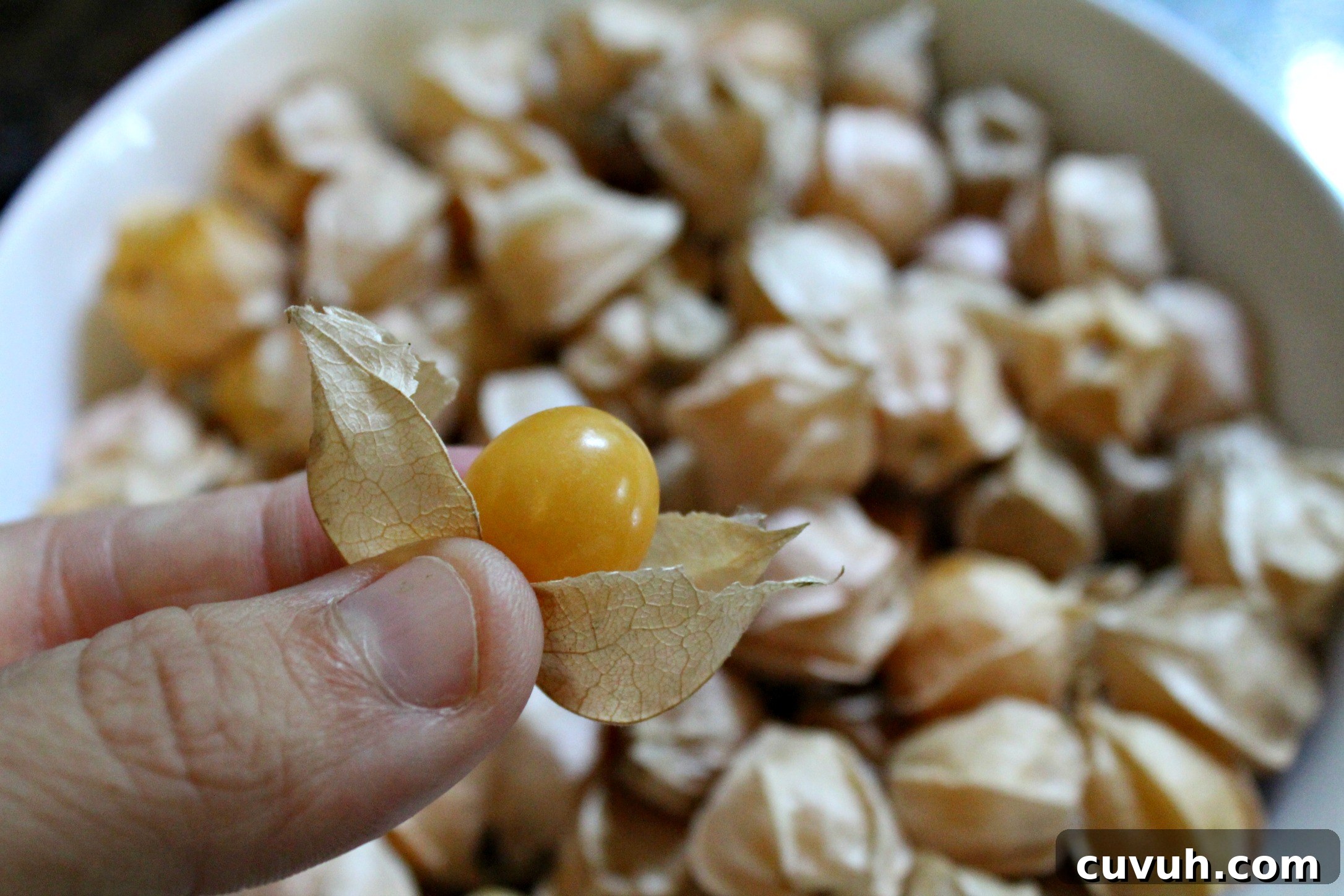
My first encounter with ground cherries happened in Vermont. I was selling baked goods at a farmers market when a young girl wandered over and offered a trade. I agreed, curious.
She returned with a small container of orange, lantern-shaped fruits, unwrapped one and offered it to me. One bite and I was instantly hooked. She left with a double-layer celebration cake, and I walked away thinking I’d gotten the better end of the bargain.
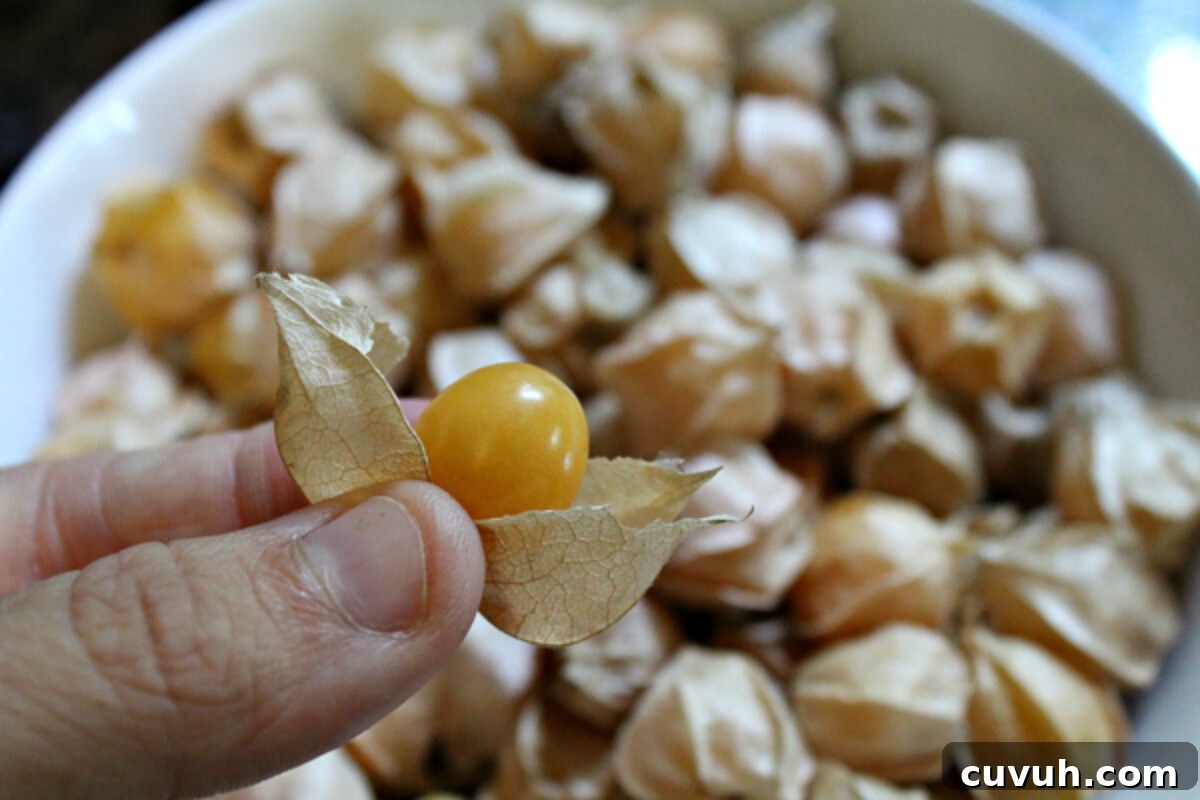
Ground cherries (Physalis species) go by many common names — cape gooseberries, husk tomatoes, sweet tomatillos, and poha berries among them. Different varieties vary in flavor, but most share a bright, sweet profile with tropical notes: think pineapple and citrus with a hint of strawberry. Their balance of sweetness and tartness makes them unique and versatile in the kitchen.
There are several species and numerous cultivars of Physalis. Some common names refer to specific types: for example, cape gooseberries (Physalis peruviana) originated in Peru and later became popular around the Cape of Good Hope, which is how they acquired that name despite not being related to true gooseberries.
Several ground cherry species are native to regions across the United States, while other varieties were introduced by settlers. Unlike fruit trees that can take years to bear, ground cherries can produce fruit in the same season they are planted — often in about 70 days from seed — which made them a favored choice for early homesteaders and kitchen gardeners.
Types of Ground Cherries
Ground cherries belong to the Physalis genus, which includes other papery-husk plants like Chinese lanterns and tomatillos. They are part of the nightshade family, closely related to tomatoes. Though some are marketed as cape gooseberries, that name applies specifically to certain species rather than all ground cherries.
Strawberry Ground Cherry (Physalis pruinosa)
Strawberry ground cherries are among the most commonly grown ground cherries in the United States. A Polish heirloom known as “Aunt Molly’s Ground Cherry” is widely cultivated by home gardeners today.
Common varieties of Physalis pruinosa include:
- Aunt Molly’s Ground Cherry – About 70 days to maturity. A Polish heirloom with a citrus-like flavor. Introduced to Pennsylvania by Polish immigrants in the early 1800s. Fruits are small, roughly 3/4 inch across, and plants typically reach about 2 1/2 feet tall.
- Yellow Husk – Similar to Aunt Molly’s but slightly smaller; plants generally reach 1 1/2 to 2 feet tall.
Cape Gooseberry (Physalis peruviana)
Also called Peruvian ground cherry or goldenberry, this species was historically grown in regions around the Cape of Good Hope and is sometimes referred to as cape gooseberry. It tends to be less common in home gardens but is prized for larger fruits and distinct flavor notes.
- Cape gooseberry / Goldenberry – Produces larger fruits, about 1 inch in diameter, and plants can reach up to 4 feet tall. Yields may be lighter and ripening later than some other varieties. In warmer climates (USDA zone 8 and above) it can behave like a perennial. These berries are often dried and enjoyed like raisins.
Pineapple Ground Cherry (Physalis pubescens)
Pineapple ground cherries are closely related to the Peruvian type and are known for good storage qualities. They can remain fresh in their husks for an extended period when handled properly.
- Goldie Ground Cherry – Around 75 days to maturity. Produces abundant bright-gold fruit on large plants 3 to 4 feet tall.
- Cossack Pineapple Ground Cherry – About 75 days to maturity. Offers a tart-sweet pineapple-like flavor and stores especially well.
- Yantar Ground Cherry – Developed in Russia, this dwarf variety grows only 6 to 18 inches tall. It’s less common and seed can be harder to find.
Thick-Leafed Ground Cherry (Physalis crassifolia)
This species is native to the American Southwest and adapts to drier, rocky conditions found in that region.
- Yellow Nightshade Ground Cherry – A relatively rare type not often cultivated but occasionally available through specialty seed sources. Plants are compact, roughly 1 to 1 1/2 feet tall.
These examples represent some of the more commonly encountered varieties, but the Physalis genus includes many species distributed around the world, each with its own flavor and growth habit.
Growing Ground Cherries from Seed
Ground cherries germinate easily and often self-seed in the garden. Start seeds indoors about 6 to 8 weeks before the last expected frost. In many areas young plants are also available at garden centers or local co-ops alongside tomatillos and tomatoes.
At around 65°F, seeds typically sprout within 7 to 14 days. Plants reach maturity in approximately 70 days and will continue to produce fruit up until the first hard frost. In short-season regions you can still harvest a substantial crop, though peak production may coincide with the first cold snaps. In warm climates (zone 8 and above) some varieties will persist as perennials.
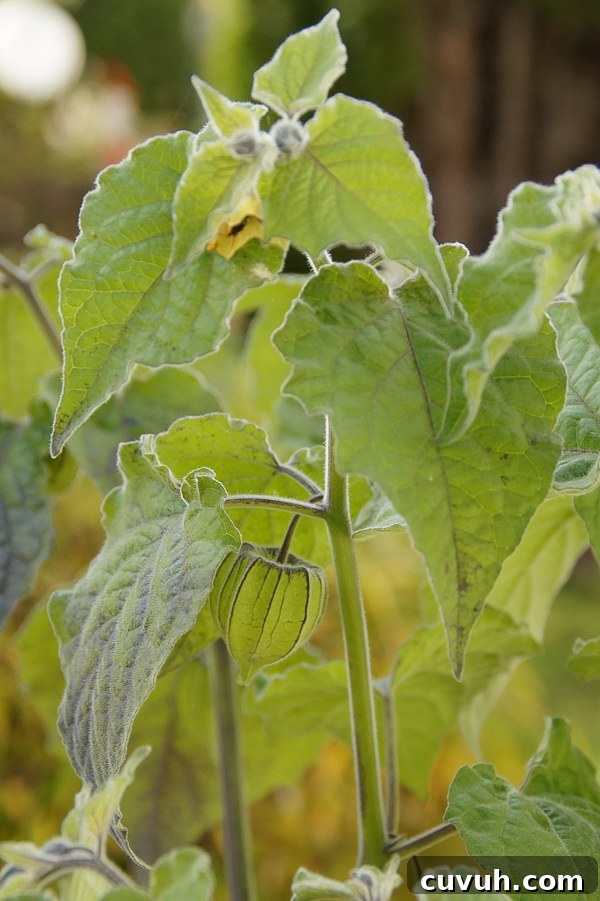
Growing Ground Cherry Plants
Plants grow upright on sturdy stems and can reach three feet in a single season. Because heavy fruit loads may cause branches to flop, using supports such as peony cages or large tomato cages helps keep plants healthy and productive.
Ground cherries prefer humus-rich, moist but well-drained soil. They have a forgiving, sometimes weedy nature and will grow in many conditions, but do poorly in waterlogged soils.
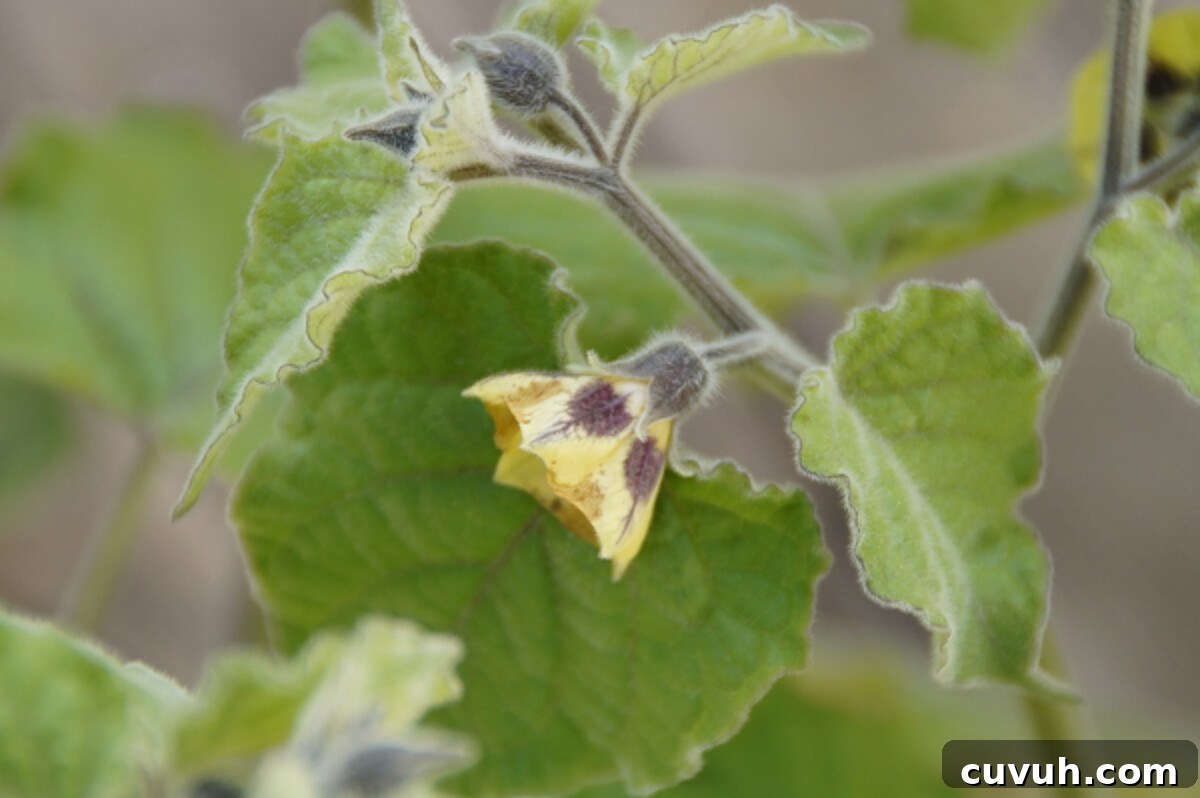
Each plant produces many small yellow flowers; when pollinated those flowers form marble-sized fruits enclosed in a papery husk. The husk stays green during development and turns golden as the fruit ripens. A single plant can yield several quarts over the season; two to three plants are often enough to supply a small family for fresh eating and preserving.
Ground cherries do well in containers, making them a practical choice for balcony or urban gardeners.
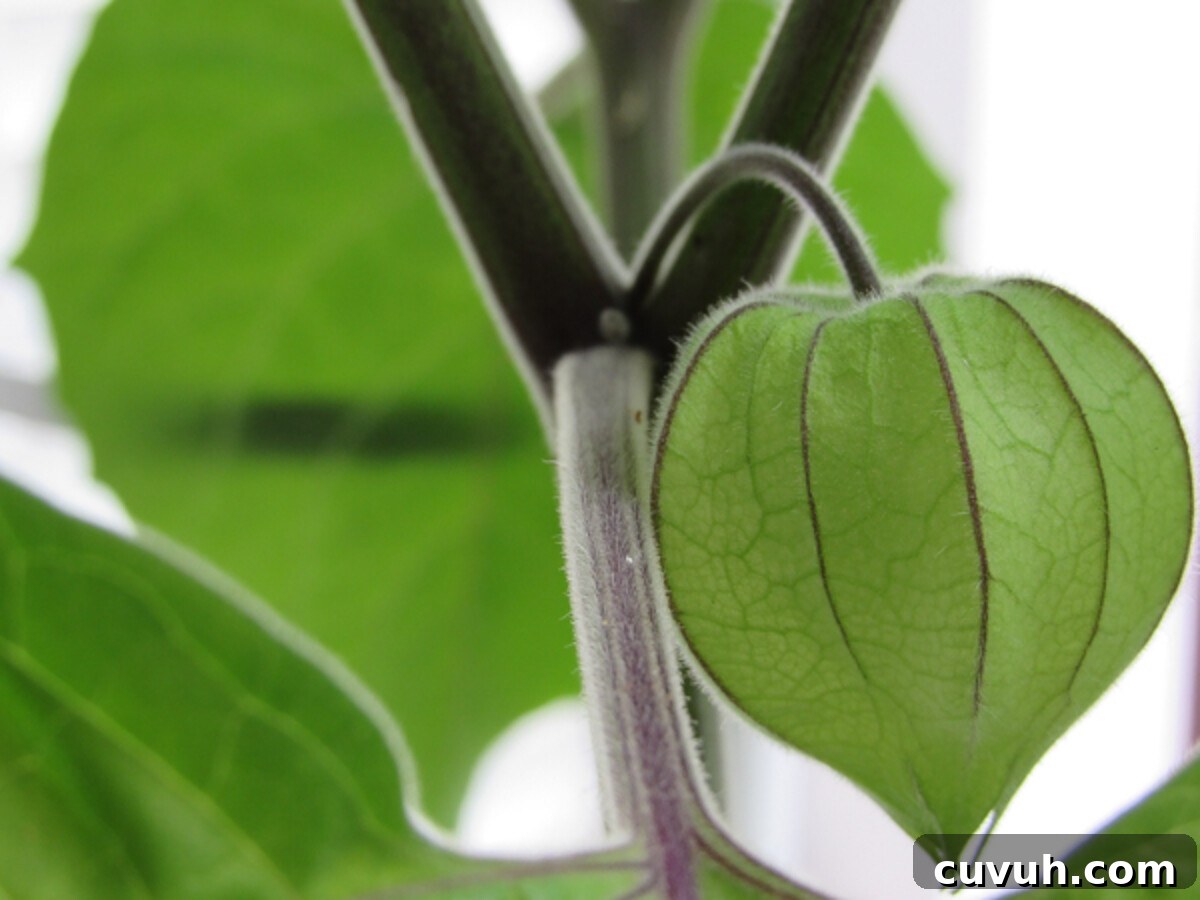
Handled gently and left in their husks, ground cherries can keep for months. Husks age into a delicate, gauzy network that still protects the fruit; this makes them both decorative and practical for long-term storage. In colder climates I’ve kept husk cherries on the table well into late autumn.
Where to Buy Ground Cherries
Ground cherries are increasingly common at farmers’ markets and in CSA boxes. Some grocery stores sell them out of the husk in small clamshells under names like “goldenberry.” They also appear in frozen or dried forms at specialty retailers and can sometimes be found packaged as an ingredient in fruit mixes.
Ways to Use Ground Cherries
Husk cherries are naturally high in pectin, which makes them excellent for jams and preserves without added thickening agents. They are also wonderful in pies, compotes, salsas, salads, and even small-batch fermented beverages like mead. Their bright, tangy-sweet flavor pairs particularly well with cheese, stone fruits, and herbs like mint or basil.
Recipe ideas to try with ground cherries:
- Ground cherry preserves or jam
- Ground cherry pie or tart
- Roasted ground cherries with goat cheese on a salad
- Ground cherry salsa for grilled meats or tacos
- Dried ground cherry “goldenberries” for snacking or baking