Today’s Expert: North Bay Produce
Welcome to the eighth installment of our series, “Ask the Produce Expert.” In this feature we spotlight partner growers, suppliers, and commodity boards, asking industry professionals practical questions that help consumers better understand the food they buy and eat. If you have a question for a future expert, you can reach out on social media by tweeting or posting on our Facebook page — we welcome your suggestions for upcoming interviews.
North Bay Produce, Inc. is an international, grower-owned cooperative based in Traverse City, Michigan. Founded in 1991, the cooperative represents 31 stockholders across Argentina, Chile, Costa Rica, Guatemala, Mexico, Peru, Uruguay, and the United States. North Bay markets and distributes fresh produce year-round and has become a market leader in its primary categories.
The company’s product mix includes blueberries, blackberries, apples, asparagus, mangoes, snow peas, raspberries, sugar snaps, pomegranates, figs, lemons, and other citrus. To learn more about North Bay Produce, visit their website or follow them on social platforms where they share updates and seasonal information.
In this edition of Ask the Produce Expert, Joe Leduc shares his expertise on blueberry farming. He answers common questions about blueberries, such as their health benefits, what gives them their blue color, storage tips, and ways to encourage kids to eat more of them.
Joe Leduc is the second-generation owner and operator of Leduc Farms, a blueberry grower partnered with North Bay Produce. Located in Paw Paw, Michigan, Leduc Farms has cultivated blueberries for more than 50 years. Joe and his wife Chantal manage the 400-acre farm with a focus on family tradition and community support. While most of their harvest is sold commercially, the farm also operates a retail store offering blueberry jams, jellies, syrups, honey, and other local goods.
Now, let’s dive into the questions.
What gives blueberries their blue color?
The blue color comes from pigments called anthocyanins. Anthocyanins are powerful antioxidants found in the skin of the fruit and are responsible for much of blueberries’ nutritional value.
What are some of the health benefits of blueberries?
Blueberries are rich in vitamins such as vitamin C and vitamin K, and they provide minerals like manganese, along with fiber and antioxidants. These nutrients support overall health, including immune function and digestion.
Are blueberries healthier than other fruits, including other berries?
Blueberries rank highly for antioxidant content, especially when the skin is deep in color. While all fruits offer important nutrients, the darker the skin, the higher the concentration of antioxidants that help protect cells. Blueberries are among the top fruits for those benefits, though variety in your fruit choices is still valuable.
What kid-friendly blueberry recipes do you recommend? Do your family or grandchildren have favorites?
Blueberries are inherently kid-friendly because they’re a convenient finger food with no need for pitting or peeling. Simple options work well: a bowl of fresh berries makes an easy snack. For a fun treat, blend blueberries with a little milk and sugar, then freeze briefly to create a slushy-style snack. Smoothies and protein shakes benefit from blueberries’ flavor and nutrients, and in colder months microwaving frozen blueberries for a few seconds to mix into cereal is a quick way to add variety. Classic recipes like pancakes, muffins, and buckles are always popular, and frozen berries are great for year-round use.
What should consumers look for when buying blueberries?
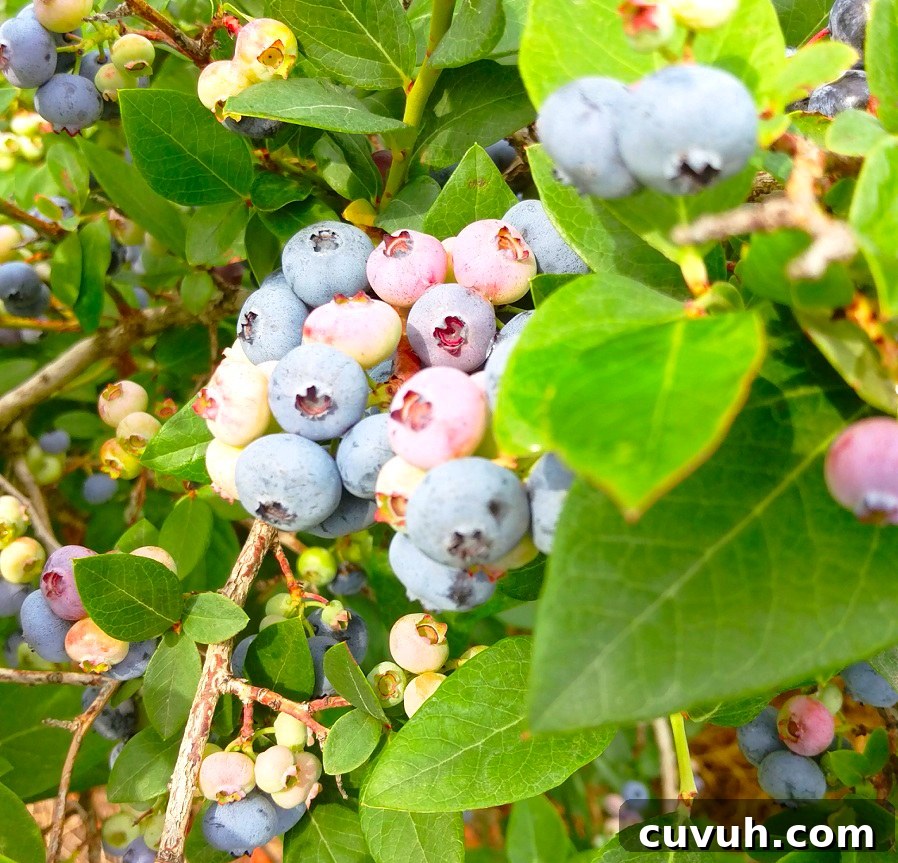
Look for the natural “bloom,” a powdery, light-blue coating that acts as the fruit’s protective layer. A heavier bloom usually indicates fresher berries. Also inspect for firmness and avoid containers with excess moisture, which can accelerate spoilage.
How can parents encourage children to eat more blueberries?
Make blueberries accessible — place a bowl on the table or keep a container in the fridge where kids can reach them. Introduce them early and substitute them for less-nutritious snacks. Their sweet flavor and convenient size make them an easy win for children.
How long do blueberries stay fresh?
Typically, blueberries stay fresh for about a week in the refrigerator. Under optimal distribution and handling, they can last up to two weeks, but a realistic expectation for most home storage is around seven days.
What is the best way to store blueberries?
Keep blueberries cool — temperatures in the 30s°F are ideal. Store them in their original containers and refrigerate promptly. Avoid airtight containers that trap moisture; instead keep them dry and do not wash until just before eating to preserve quality.
What is the best way to freeze fresh blueberries?
Blueberries freeze very well. You can freeze them in their original packaging, spread them on a tray to freeze individually and then transfer to a bag, or place them in a plastic bag or container. The natural bloom helps berries stay separate. Rinse them after thawing if desired. Freezing is an excellent way to extend their shelf life and enjoy blueberries year-round.
That concludes the eighth edition of Ask the Produce Expert.
Thank you to Joe Leduc for sharing his knowledge about blueberry farming and handling.
We learned a lot and look forward to the next Ask the Produce Expert feature.
#FreshProduce rules — thank you for serving fruits and vegetables to your family!
xoxo The Produce Mom
Sign up here for our weekly newsletter for recipes, cooking tips, and more.