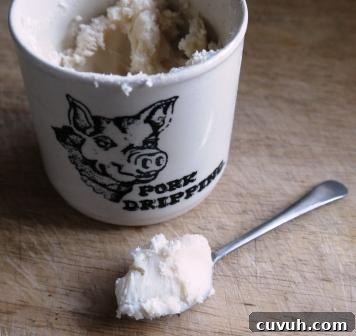
Have you ever wondered how to render bacon fat to make your own natural dripping? Read on — this guide covers how to render bacon fat, the basic differences between common animal fats, and the best ways to use them.
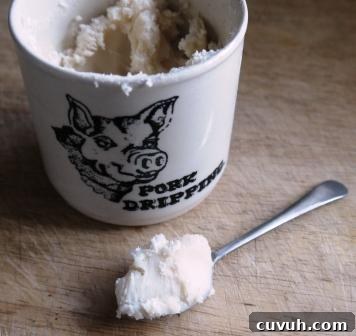
In my grandmother’s day, dripping, suet and lard were everyday by-products of butchering and cooking. These fats had many household uses: cooking, soap and candle making, seasoning cast-iron pans and even shining shoes. They were valued for flavor and utility long before modern low-fat trends changed how people viewed animal fats.
During the so-called “health-conscious” era of the 1980s, many natural fats were unfairly demonized. As a result, admitting you spread hot toast with dripping can still raise eyebrows. But if you try it, you may be surprised. Bacon lard, for example, can be a flavorful alternative to butter and—when used in moderation—adds depth to many dishes. Like all foods, the key is balance.
Have you ever tried it?
Rendering bacon fat is simple: you heat solid fat until it melts, separating into a clear liquid fat and crispy pork cracklings. The liquid is the rendered fat (often called dripping or bacon lard) and the crisp bits can be eaten as a snack, used sparingly as a flavorful topper, or fed to animals in small amounts as an occasional treat.
How to Render Bacon Fat
To render bacon fat at home, you can use either the stovetop or the oven. The stovetop is quick and convenient for small batches, while the oven works well for larger amounts and tends to produce a cleaner lard.
Basic stovetop method:
- Chop the fat into small, even pieces so it melts more efficiently.
- Place the pieces in a dry pan over medium heat. Moderate heat prevents burning and excessive splattering.
- Stir occasionally. As the fat melts, you’ll see liquid pooling and the solids turning golden and crisp.
- When the cracklings are browned and crispy, carefully pour the liquid fat into a clean jar or pot.
Let the liquid cool slightly before sealing. You can leave small crispy specks in the jar — they preserve well in the fat — or strain the rendered fat through muslin or a coffee filter for a clear finish. Save and top up your jar each time you fry bacon or other fatty cuts; it’s an easy way to build a stash of flavorful fat.
For larger batches from whole pigs, roast the fat in the oven on a low temperature until it renders. Strain into tubs, cool, label and freeze. Properly stored, frozen rendered fat will keep for a very long time and is handy for cooking throughout the year.
Ways to use rendered bacon fat:
- Roast potatoes until extra-crispy and deeply flavored.
- Sauté leeks, onions and other vegetables for a rich base.
- Popcorn tossed in a spoonful of bacon fat is delicious.
- Substitute bacon lard for butter in savory breads, scones or pastry for a flaky texture and savory note.
- Spread a little warm dripping on hot toast for a nostalgic treat.
Rendering fat is a traditional, practical skill that returns flavor and versatility to the kitchen. When used thoughtfully, these fats can elevate everyday dishes and reduce waste by using parts of the animal that might otherwise be discarded.
On the menu? Know your fats
Butter: Mainly saturated fat and best stored wrapped and refrigerated to protect it from light and strong odors. Butter has a long culinary history and a familiar flavor.
Lard: Rendered pig fat. Real lard gives exceptionally flaky pastry and helps foods fry crisp while absorbing less oil than some frying media.
Dripping: Fat that drips from meat while cooking. Beef dripping is a classic example — roasting meat in its own dripping intensifies flavor and can be used for roasting vegetables.
Suet: Fat found around an animal’s kidneys. It has a high melting point, making it useful in traditional pastry and dumplings.
Tallow: Rendered beef or mutton fat commonly used for cooking, soap and candles. It also makes excellent roast potatoes and Yorkshire puddings.
Bring a little of this old-fashioned flavor back into your kitchen: rendering bacon fat is easy, economical and a tasty way to make the most of the ingredients you have.