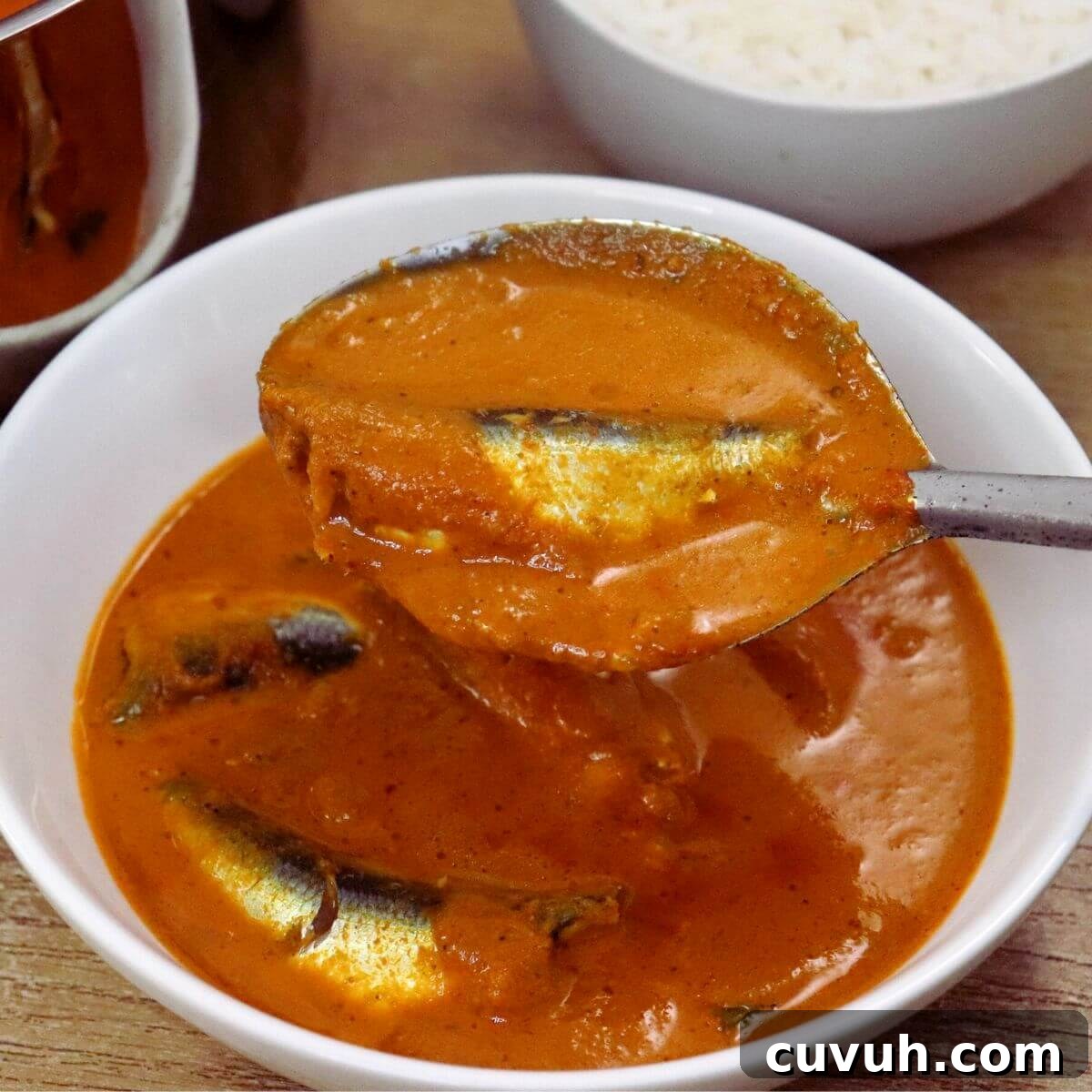
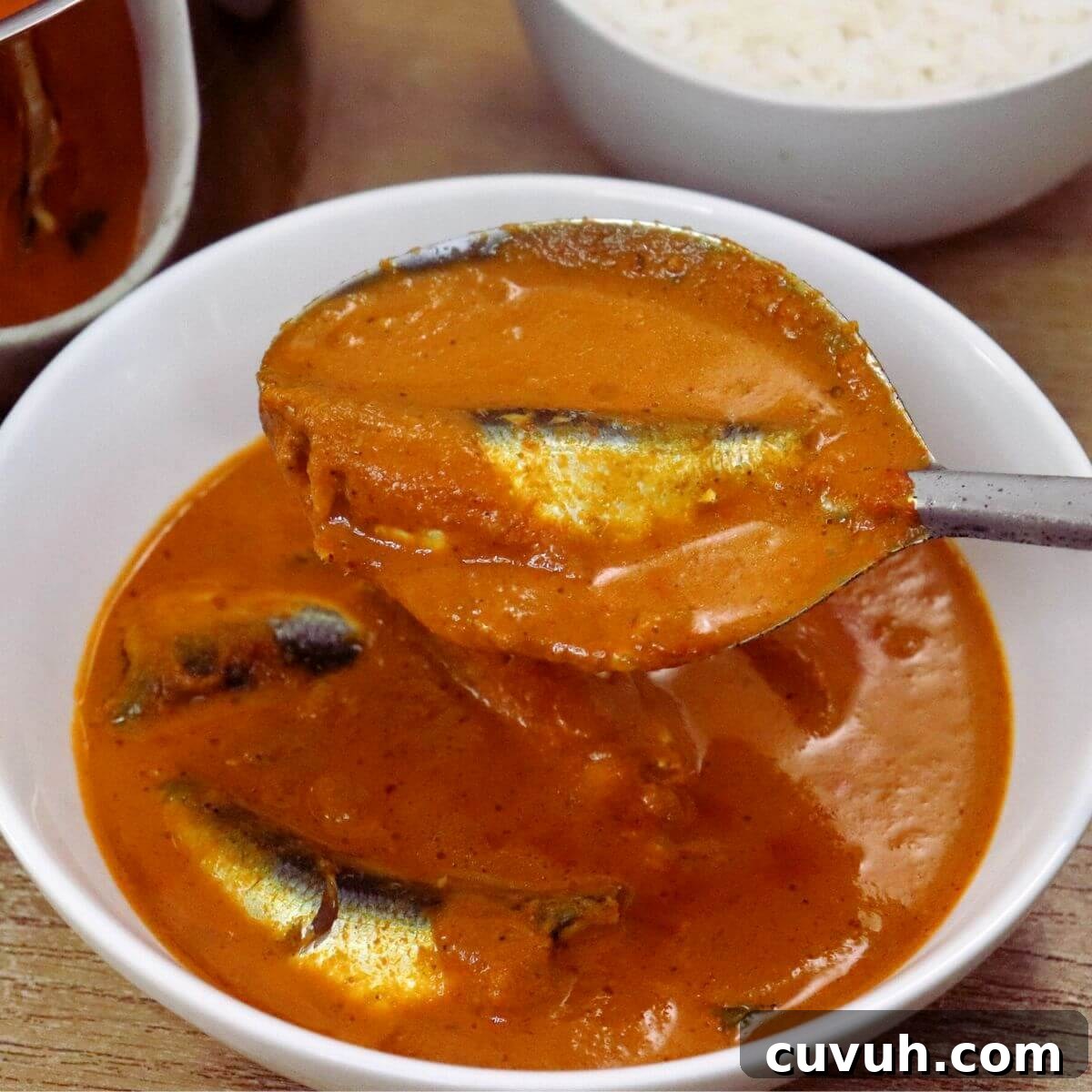
This Sardine curry is a coastal classic: fresh or canned sardines simmered in a tangy, spicy coconut-based gravy and ready in about 30 minutes. A staple from Mangalorean cuisine, this fish curry—also called Tarle curry or Buthai Meen Ghassi—pairs beautifully with hot steamed rice. Below you’ll find clear step-by-step instructions, photos, and a short video to guide you.
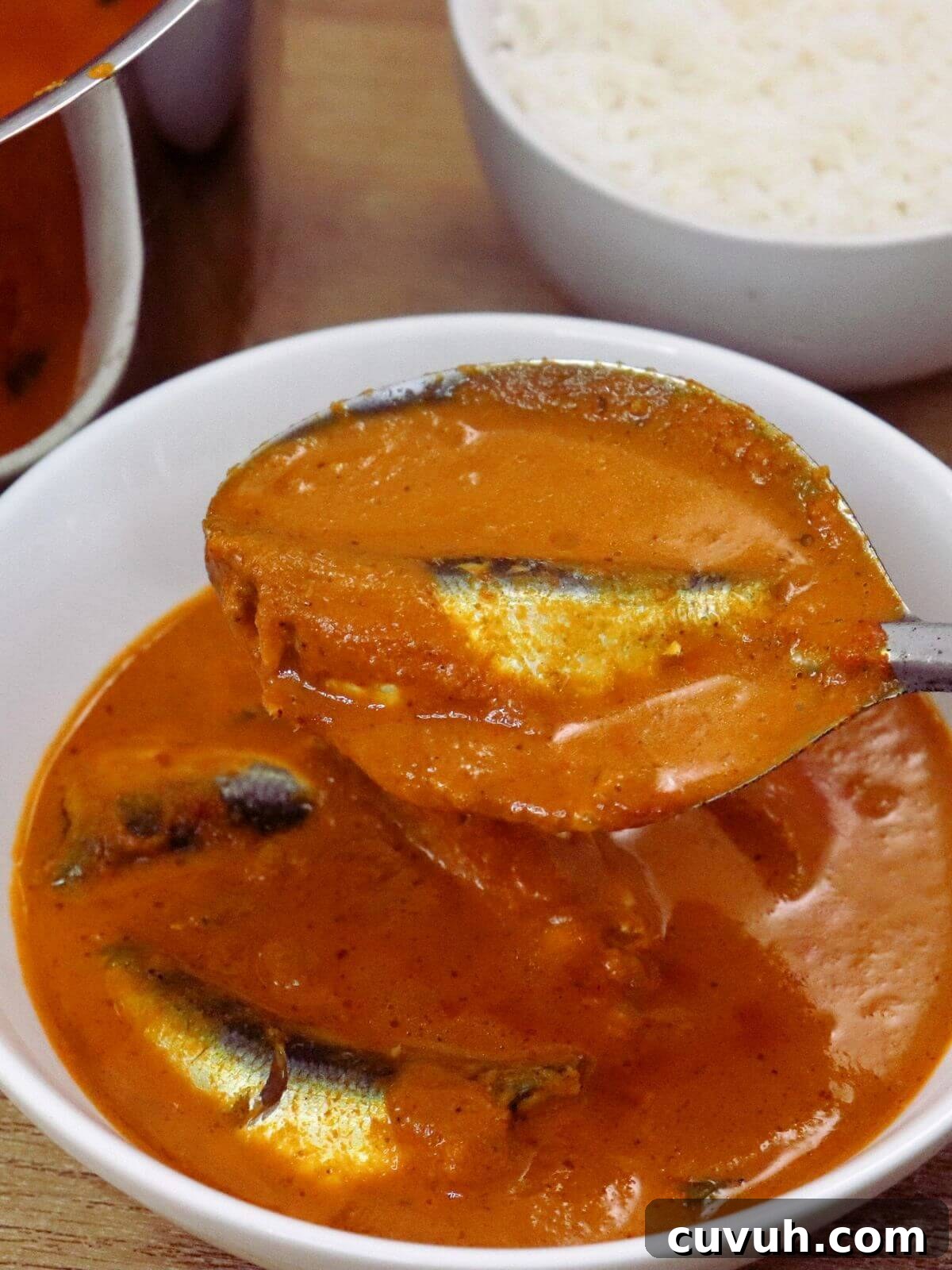
I first tasted this Sardine curry in Mangalore at my in-laws’ home. The interplay of tangy tamarind, fragrant coconut masala, and warming Mangalorean spices was unforgettable. The sardines were tender and juicy, and the bold spice profile made every spoonful satisfying.
This sardine curry recipe is ideal for anyone who enjoys spicy, tangy fish curries. Sardines are affordable and nutritious, rich in omega-3 fatty acids, making this dish both healthy and budget-friendly. The same method works well with other oily fish such as mackerel, kingfish, or pomfret.
About This Sardine Curry
Here I share a traditional home-style method for making Sardine curry. You can use fresh or canned sardines—both give excellent results. The recipe centers on a freshly ground coconut-spice paste that’s boiled briefly and then gently combined with the fish so it remains intact and moist.
Locally in Mangalore this curry is called ‘Buthai Meen Ghassi‘ or ‘Tarle Curry‘. “Buthai Meen” refers to sardines while “Ghassi” means curry.
The process is straightforward: roast and grind the spices with coconut and aromatics into a smooth paste, bring it to a boil, add the sardines carefully, and cook only until the fish is done. Serve with steamed rice or a simple fry on the side.
You may also like these other popular fish recipes:
- Mangalorean Mackerel Curry
- Goan Fish Curry
- Mangalorean Fish Masala Fry
- Fish Rava Fry
- Andhra Fish Fry
- Mackerel Fish Fry
Ingredients Notes
This Mangalorean-style sardine curry balances tangy tamarind, mild Byadagi red chili, whole spices and creamy coconut. Use fresh sardines when available; canned or frozen sardines work well too. The recipe is adaptable to other oily fish such as mackerel or kingfish.

- Sardines (Buthai Meen/Tarle): Fresh sardines give the best flavor, but canned sardines in olive oil or frozen sardines are fine alternatives. This recipe is versatile and works with other firm, oily fish.
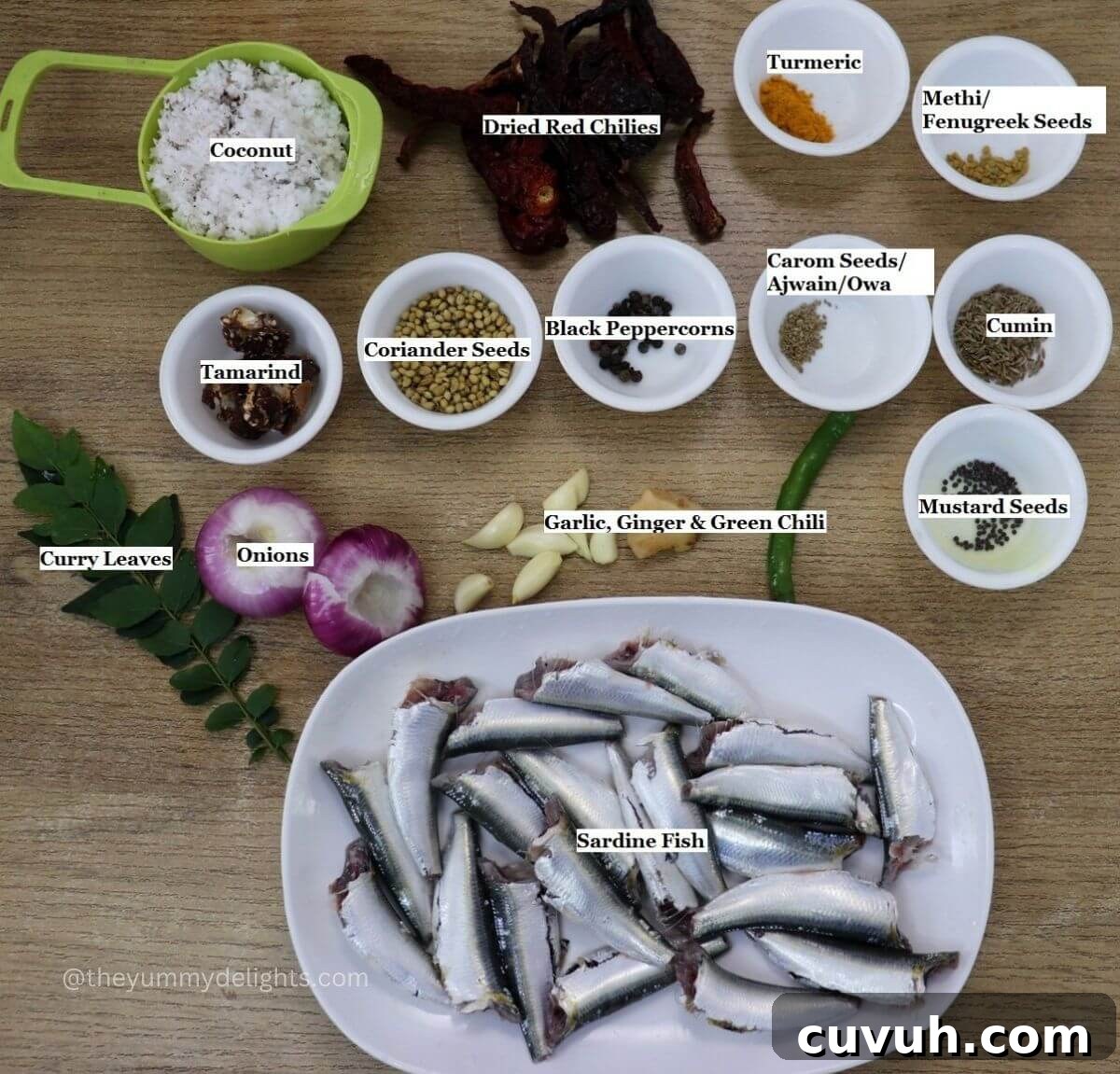
- Byadagi or Kashmiri chilies: These give a bright red color with moderate heat. Remove seeds to reduce spiciness.
- Spices: Coriander, cumin, fenugreek, mustard seeds and black pepper are roasted for depth of flavor. You can omit mustard seeds if preferred, but keep the others for an authentic profile.
- Coconut: Fresh scraped coconut yields the best texture and aroma; canned coconut milk can be used as a substitute.
- Tamarind: Adds the characteristic tang. Lemon or vinegar can replace tamarind if needed.
- Onion, ginger, garlic, green chili: These aromatics form the base for the curry. Use red or white onion as available.
- Curry leaves: Essential for the South Indian aroma—don’t skip them if you can help it.
See the recipe card below for exact ingredient measurements and full instructions.
How to make Sardine curry
1) Clean the sardines: remove scales, head, and guts, rinse under cold water and pat dry. If using canned sardines, simply open the can and drain if desired.
Making the sardine curry masala
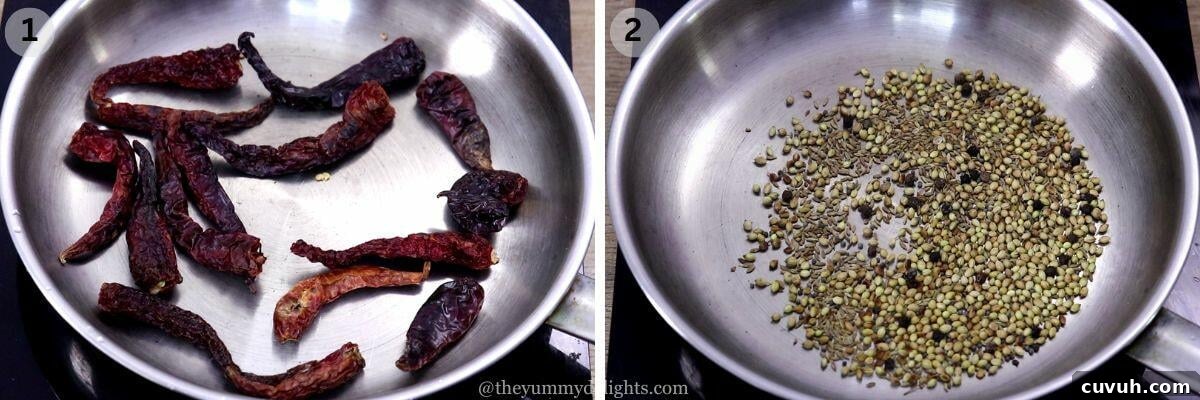
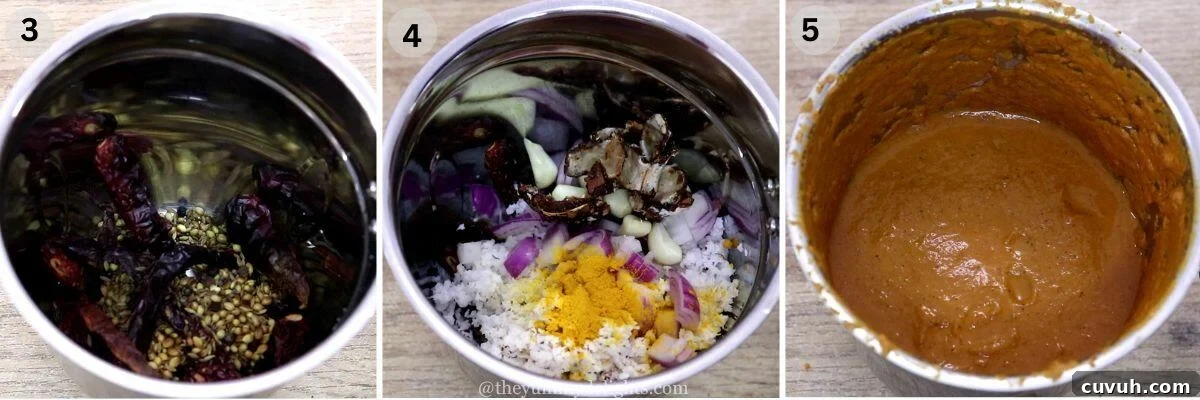
2) Dry roast the dried red chilies in a heavy-bottomed pan over medium-low heat until aromatic and crisp. Transfer them to a grinder.
3) In the same pan, dry roast coriander seeds, cumin, fenugreek seeds, mustard seeds and black peppercorns briefly until fragrant. Add them to the grinder.
4) Grind the roasted spices with grated coconut, chopped onion, garlic, a pinch of turmeric and tamarind, adding a little water to form a smooth paste. Set this coconut masala aside.
Making the sardine curry
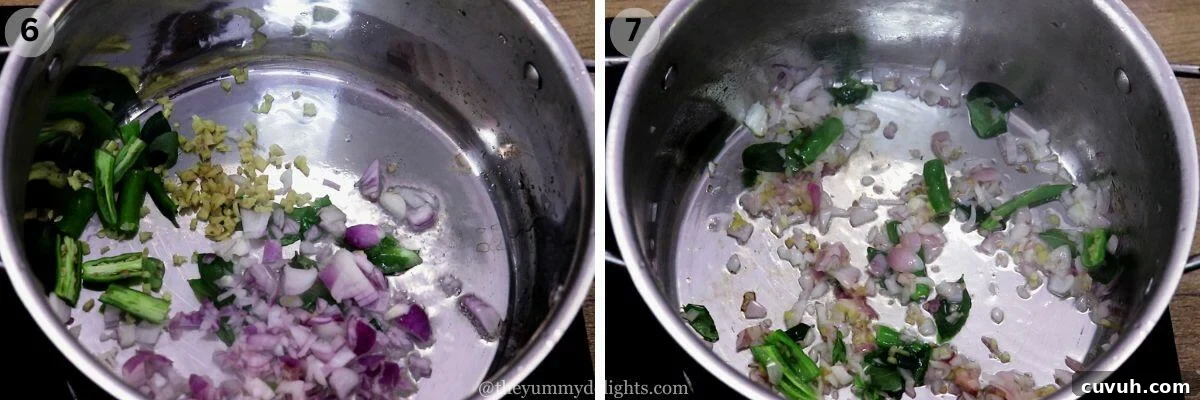
5) Heat 2 teaspoons of oil in a heavy-bottomed pan over medium heat. Sauté the chopped onion with curry leaves, ginger and slit green chili until the onion turns translucent.
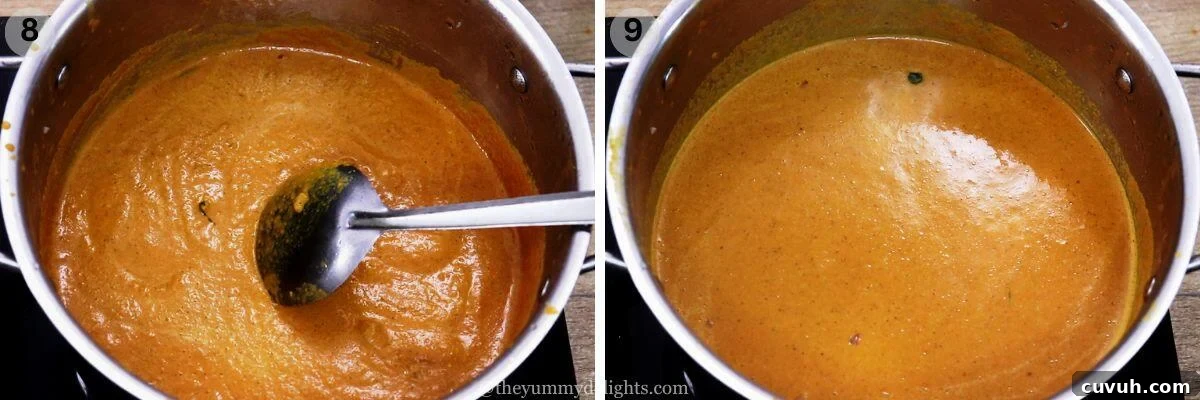
6) Add the prepared masala paste to the pan. Add water to reach your preferred curry consistency and season with salt. Bring the mixture to a gentle boil.
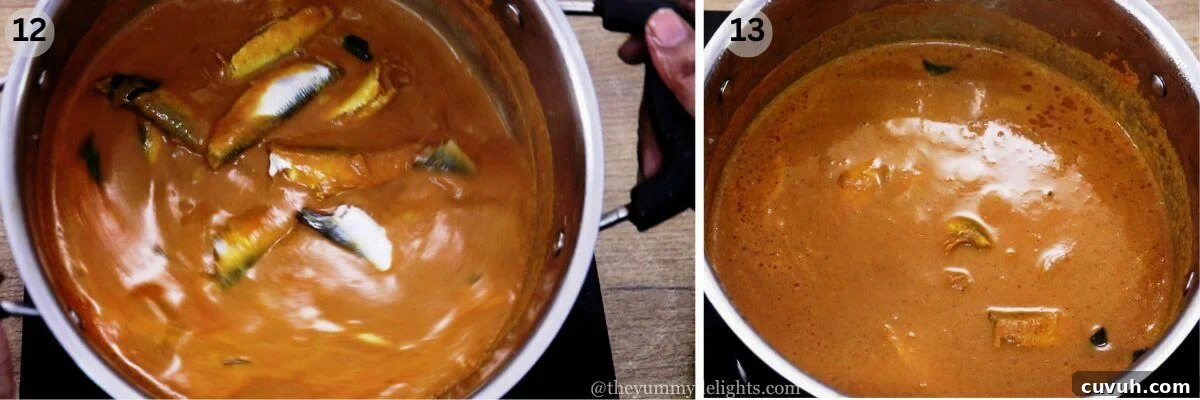
7) Carefully add the sardines to the simmering curry.
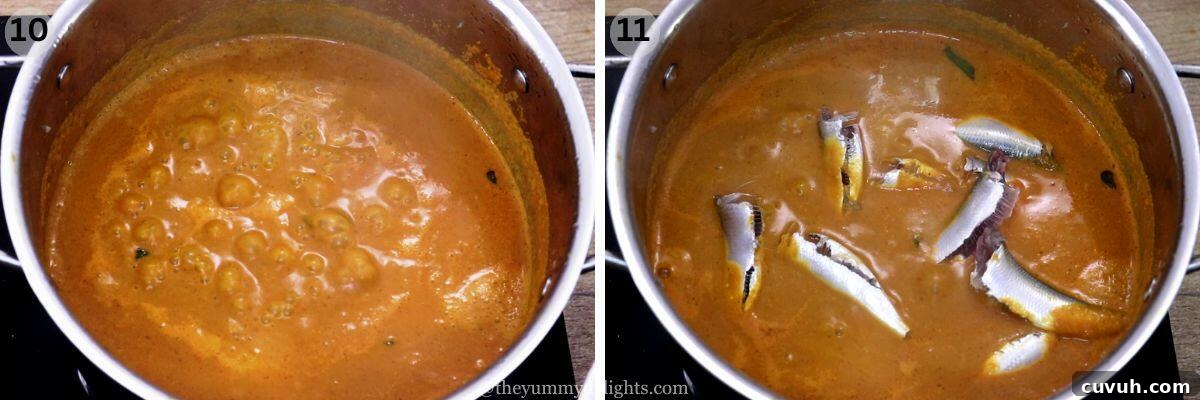
8) Avoid stirring with a ladle to prevent the fish from breaking. Instead, hold the pot by both handles and gently swirl the contents in a circular motion so the sardines are coated evenly. Cook for 2–3 minutes until just done, then remove from heat. Serve immediately with steamed rice.
Tip: Do not overcook—sardines cook quickly and can disintegrate if left too long.
Tips to make the Best Sardine Curry
- Measure ingredients accurately; a small change can affect the balance of flavors.
- Cook the fish only until it flakes gently with a fork to avoid dryness and disintegration.
- If tamarind is unavailable, substitute lemon juice, vinegar, or kokum for a similar tangy note.
- To preserve the fish pieces, don’t stir with a spoon—gently swirl the pot by its handles to blend the curry.
Frequently Asked Questions
Look for clear, bright eyes, pink or red gills, firm flesh that springs back when pressed, and a clean, mildly briny aroma. Avoid fish with dull eyes, dark gills or a strong fishy smell.
Canned sardines are a convenient substitute. Drain or use the oil from the can to sauté aromatics. Add canned sardines near the end of cooking since they are already cooked, and handle them gently to keep them intact.
Only a few minutes—just until the fish is cooked through. Overcooking makes sardines dry and prone to falling apart.
Traditionally served with steamed rice or appam. Light dosas such as neer dosa also pair well.
If you try this recipe, please leave a comment and rating below — feedback is always appreciated.
Follow and connect on social media: Facebook, Pinterest, and YouTube.
Recipe Card
Sardine Curry (Buthai Meen Ghassi / Tarle Curry)
Video
Equipment
-
1 Heavy bottom pan
-
1 Heavy bottom pot
Ingredients
- 500 gram Sardine (fresh or canned) Also known as Buthai Meen/Tarle.
For the fish curry masala
- 10 dried red chilies Byadagi or Kashmiri
- 4 teaspoon coriander seeds
- 1 teaspoon cumin/jeera
- ¼ teaspoon fenugreek seeds/methi
- ¼ teaspoon mustard seeds/rai
- ½ teaspoon black peppercorn
- 1 cup grated/scraped coconut
- 1 onion chopped
- 7 garlic cloves
- ¼ teaspoon turmeric
- 1 small lemon-size tamarind
For the curry
- 1 small onion chopped
- 2 sprigs curry leaves
- 1 inch ginger chopped
- 1 green chili slit
- salt
Instructions
-
Remove scales, head and guts from the sardines. Rinse and pat dry. If using canned sardines, open and drain as needed.
Making the sardine curry masala
-
Dry roast the red chilies until crisp and aromatic. Transfer to a grinder.
-
Dry roast coriander, cumin, fenugreek, mustard seeds and black pepper briefly, then add to the grinder.
-
Grind the roasted spices with coconut, onion, garlic, turmeric and tamarind into a fine paste. Set aside.
Making the Sardine fish curry
-
Heat 2 teaspoons oil in a pan over medium heat.
-
Sauté chopped onion with curry leaves, ginger and green chili until translucent.
-
Add the masala paste and enough water to reach the desired consistency. Season with salt and bring to a boil.
-
Gently add the sardines. Rather than stirring with a spoon, swirl the pot by its handles to coat the fish without breaking it. Cook 2–3 minutes until just done. Remove from heat and serve with rice.
Notes
- Follow ingredient proportions carefully for balanced flavor.
- Carom seeds are sometimes added traditionally, but they can be omitted without a major change to the curry.
- Cook fish only until it flakes easily; overcooking makes it dry and crumbly.
- Substitute tamarind with lemon, vinegar or kokum if needed.
- Swirling the pot instead of stirring preserves the fish’s texture and keeps the curry smooth.
Nutrition
Nutrition information is automatically calculated and should be used as an estimate.