Gluten Free Baking Tools I Can’t Live Without
As I travel the country teaching cooking classes and bring these favorite baking tools with me, students often ask, “What’s that?” “How do you use it?” and “Do I really need it?” While you don’t have to own every single item, the right tools make gluten-free baking easier, more consistent, and more enjoyable. Below are the tools I reach for most often and why they’re helpful.
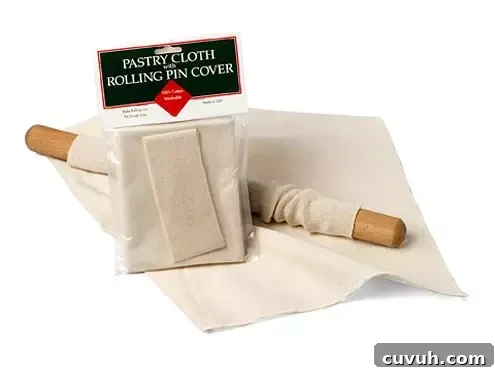
Rolling Pin with Cheesecloth Cover — An inexpensive solution that prevents dough from sticking without needing to add extra gluten-free flour. That keeps dough from drying out and preserves better texture in pastries and pie crusts.
Instant-Read Thermometer — I check the internal temperature of bread before removing it from the oven or bread machine; a loaf should register about 205–210°F to be fully baked. This small tool helps avoid underbaked or gummy loaves and gives consistent results.
Bench Scraper — Ideal for lifting and transferring pie crusts, dividing dough, and rolling up cinnamon rolls or yule logs. It’s a simple plastic or metal tool that saves a lot of frustration when handling delicate gluten-free doughs.
Pie Crust Saver — A reusable guard that fits over pie edges to prevent over-browning and hard, overcooked rims. Easy to use and helps deliver uniformly baked pies.
Pastry Wheel — Great for neat, decorative edges on ravioli, pop tarts, pie crusts, and crackers. The fluted edge gives a professional look with minimal effort.
Pastry Cutter — Designed to cut butter or shortening into flour quickly without overworking the mixture. Essential for flaky pie crusts, scones, and biscuits where small, cold fat pieces are important for texture.
Beater Blade — An accessory that scrapes the bowl while a stand mixer runs, making the mixer more efficient and preventing pockets of unmixed batter. It’s a handy addition for batters and doughs that benefit from extra scraping during mixing.
Parchment Paper — I rarely bake cookies without it. Parchment prevents sticking without adding oil or greasing the pan, which can leave greasy bottoms, and it makes cleanup simple.
Silicone Pastry Mat — A nonstick surface that makes it easy to roll and transfer dough. It’s invaluable for lifting a pie crust onto a dish and helps keep your work surface clean and free from cross-contamination when baking gluten-free.
English Muffin Rings — Perfect for shaping uniform homemade hamburger buns, English muffins, or other round breads. They help gluten-free breads hold their shape while baking for consistent results.
Food Scale — Accurate measurement is especially important in gluten-free baking. A kitchen scale ensures you use the exact amount of flour and other ingredients called for in a recipe. For reference, my gfJules™ flour weighs about 135 g per cup when measured by weight rather than volume.
These tools are practical, affordable, and make a real difference in the outcome of gluten-free baked goods. You don’t need every item on this list to start, but adding a few to your kitchen will streamline the process and improve your results.
Happy baking!