It’s mega cold right now and I am in winter mood. That’s why after my tips on how to not get a cold, I’m now sharing simple, natural ways to moisturize your skin during winter.
I’ve always had dry skin — not catastrophic, but noticeable. My elbows felt rough, and without lotion my legs looked cracked. My skin often felt tight and sometimes flaky.
A few months ago I went to a dermatologist because I was worried about a mole. While I was focused on that, she told me my skin was too dry. I panicked about the mole at the time, but once everything was fine I realized her comment mattered. Negative feedback is still feedback.
That pushed me to take skincare seriously. I tried several practical steps and, after months of consistency, my skin feels much better. Here’s what worked for me.
Why dry skin matters
Dry skin is more than an aesthetic issue. The skin is a key part of the immune system and serves as a barrier between the body and the outside world. When the skin is dry and cracked, that barrier weakens and becomes an entry point for infections and irritants.
Why skin gets drier in winter
It seems counterintuitive that winter — with rain and snow — would dry out skin, but several common habits and environmental factors explain it:
- Spending long periods indoors with heating on
- Drinking less water and eating fewer water-rich foods
- Wearing warm clothes that constantly rub the skin
- Skipping moisturizers because we feel cold
- Taking long, hot showers
Plus, winter air is cold and dry. All these factors combine to strip moisture from the skin.
My 3 Steps to Moisturize Dry Skin Naturally
These three steps helped me restore moisture and smoothness. I’ve been following them for months and seen real improvement, especially on my elbows and legs.
Step #1: Hydrate from the inside

Drink plenty of water. Hydration is simple but fundamental: when your body’s cells are hydrated, your skin benefits too. Keep a large water bottle or pitcher nearby and sip regularly. Drinking water often also helps curb some cravings and can boost your energy.
 Join the 7-Day Green Smoothie Challenge!
Also, keep eating vegetables and fruits and don’t skip salads and smoothies just because it’s cold. Foods high in water content add to overall hydration and supply vitamins and antioxidants that support skin health. Fresh fruits and vegetables are rich in vitamin C, which supports collagen production and helps maintain skin elasticity.
What not to drink

Limit coffee and alcohol, as both can be dehydrating and make skin appear swollen, red, or prematurely aged. Hydration is the foundation of healthy skin; other strategies are helpful, but they work best when you’re well hydrated.
So even in cold weather, prioritize drinking water and eating hydrating foods.
Step #2: Rethink hygiene

The outermost layer of skin contains fats and dead skin cells that form a protective barrier. Frequent long, hot showers and aggressive use of soap remove those fats, allowing moisture to escape. They also strip beneficial bacteria that live on the skin and help prevent infections.
That doesn’t mean stop showering. It means be gentler: take shorter, cooler showers and avoid soaps on parts of the body that aren’t dirty. If you’re not sweaty or soiled, skip soap and simply rinse. For hands, always use soap to remove pathogens we pick up throughout the day.
Step #3: Use fats topically
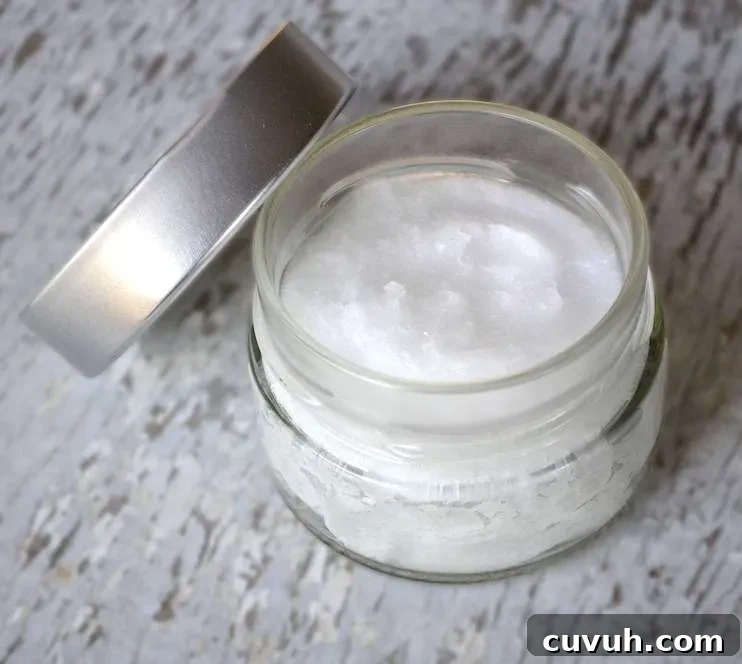
Since the skin’s outer layer contains fats, applying a fat-based moisturizer helps restore and lock in moisture. Coconut oil is particularly effective: it’s rich in saturated fats that absorb quickly and form a barrier against water loss. After applying coconut oil my skin feels softer and my elbows are no longer rough.
Coconut oil also protects skin from abrasive winter clothing and dry air. I use organic virgin coconut oil because I like the scent, but refined coconut oil also works fine if you prefer no scent.
The routine
I keep the routine simple. After showering, I scoop a small amount of coconut oil with my hands and rub it on damp skin. It melts quickly, absorbs well, and doesn’t leave an unpleasant residue. The whole process takes only a couple of minutes, so don’t skip it — applying oil after a shower is the most effective time.
One minor quirk: on very cold days coconut oil can feel firmer on areas like eyebrows because saturated fats solidify at lower temperatures.
Why I recommend this
I’m not saying coconut oil is the only solution or that commercial lotions are bad. It’s simply what worked for me: coconut oil provided longer-lasting moisture than many products I tried and significantly reduced dryness. Whether you choose virgin or refined coconut oil is a matter of personal preference.
To summarize:
Winter dryness is driven by cold dry air, dehydration, and habits that strip the skin’s natural barrier. To combat it:
- Hydrate from the inside — drink water and eat water-rich foods
- Shorten showers and reduce soap use on clean areas
- Apply a fat-based moisturizer (like coconut oil) after bathing
Try this routine consistently for a few weeks and you should see real improvement. The key is daily care.