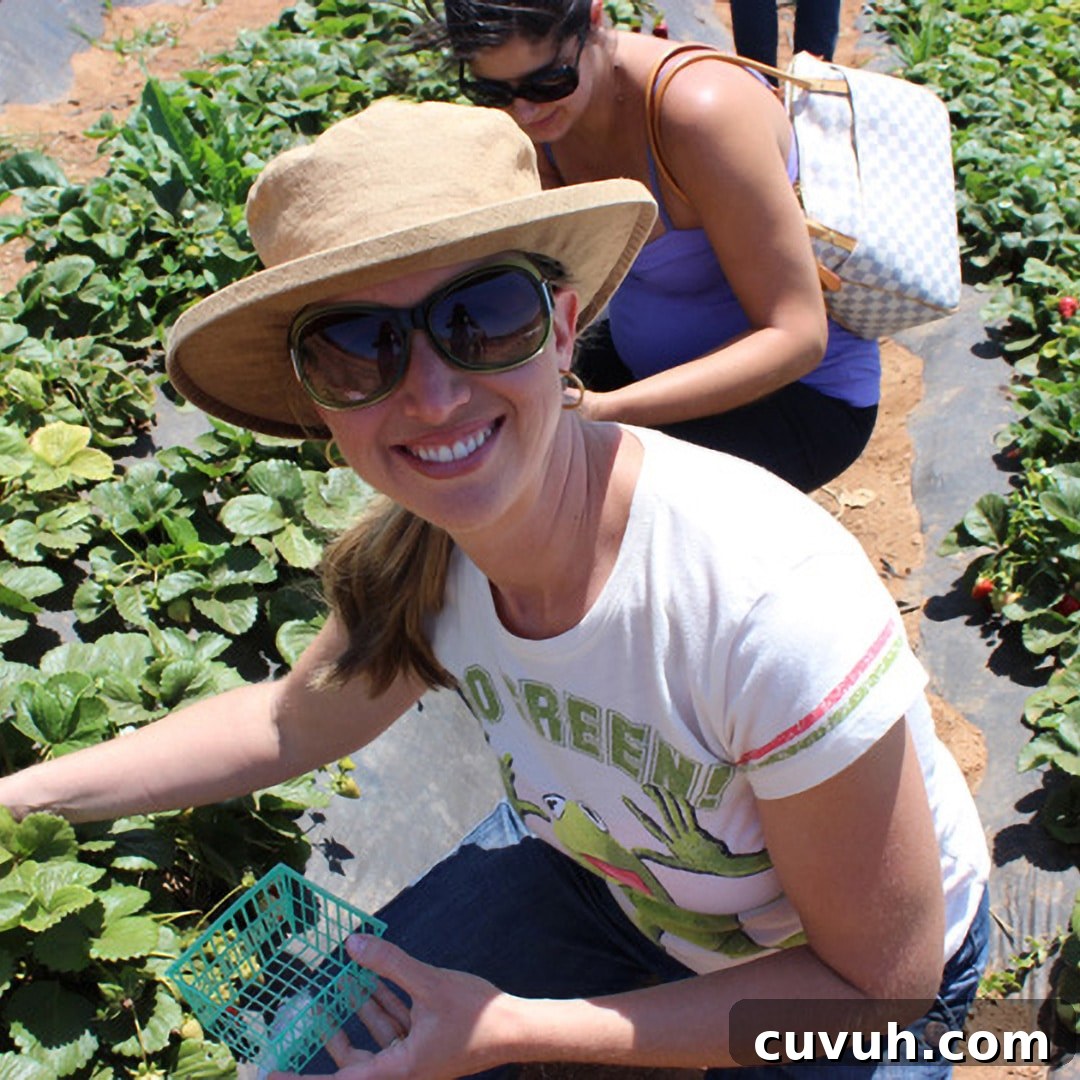
I am a big supporter of Community Supported Agriculture (CSA). CSAs align with my values, benefit my health, and fit my schedule. In general, a CSA is a subscription program where individuals purchase shares of the produce, meat, or other products from local farms and ranches. Each program varies, but the core idea is the same: you invest in the farm up front and receive a regular box or share of what the farm produces. I participate in both a vegetable CSA and a grassfed beef CSA.
Top Ten Benefits of CSAs:
- You don’t have to decide what to buy each week or month.
- Your food is fresher, so it retains more nutrients.
- Your food typically has a smaller carbon footprint.
- Your food is often grown organically, though not all CSAs are certified organic.
- Overall cost can be lower than grocery stores or some farmers’ markets.
- You get to know the growers personally.
- You support local, sustainable agriculture.
- Your family tends to eat more vegetables and a wider variety of produce.
- Farmers can grow a broader range of crops because much of it is pre-sold.
- It saves time on shopping and meal planning.
Troubleshooting
I know many common complaints about CSAs — I’ve raised most of them myself. Below are frequent concerns and how I’ve addressed them.
#1 I don’t recognize some vegetables or cuts of meat.
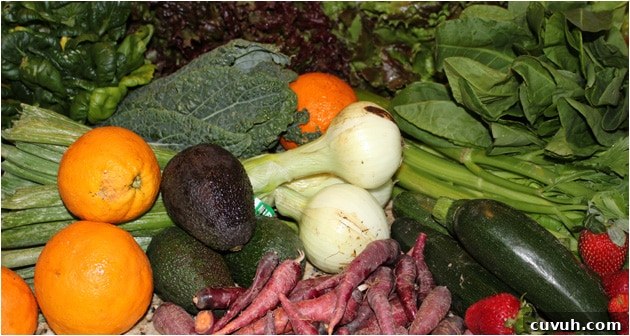
That’s part of the fun: trying new foods and recipes. Items like kohlrabi, purple carrots, or skirt steak may be unfamiliar, but there are plenty of resources—cookbooks and online recipes—to help. You may learn new techniques like slow cooking or marinating. Often the result is food at home that tastes so good restaurants feel disappointing by comparison.
#2 What am I supposed to do with all those leafy greens?
Leafy greens are among the most nutrient-dense foods. If you’re overwhelmed, experiment with recipes: kale chips, soups, sautés, or green smoothies. I once nearly canceled my CSA because of greens, but after learning new dishes I found my family enjoyed them—sometimes enthusiastically.
#3 I don’t have enough freezer space.
Most CSAs offer conveniently sized portions. My grassfed beef CSA provides packages sized to last about a month, so you don’t necessarily need a deep freezer.
#4 We’ll never eat all of this; it means eating vegetables at many meals.
Yes, you’ll likely eat more vegetables—that’s the goal. Think sauteed spinach with eggs for breakfast, salads for lunch, vegetable-forward dinners like stir-fries, and vegetable snacks with hummus or nut butter. Incorporating more produce often requires cutting back on less nutritious options.
#5 I avoid beef for ethical or taste reasons.
Grassfed beef is different from conventional beef in both flavor and nutrition. It tends to be leaner and has a healthier fat profile, with higher omega-3s and a better omega-3 to omega-6 ratio. If you’ve had a negative experience with conventional beef, trying grassfed can be a distinct and more positive experience.
#6 I want to choose exactly what comes in my box.
CSAs intentionally provide a variety based on the season. Part of the point is enjoying seasonal diversity instead of expecting out-of-season produce year-round. A narrow diet limits nutrient variety and often relies on produce that’s been shipped long distances or heavily treated. CSAs encourage adaptability and appreciation for seasonal food, which reduces reliance on pesticides and long shipping chains.
In short: with a CSA you learn to make the most of what’s available and discover new favorites. It’s a bit like revisiting the childhood rule: you get what you get and don’t throw a fit.
I subscribe to two local CSAs that I highly recommend: JR Organics for vegetables and J&J Grassfed Beef for beef. I value knowing the farmers personally—seeing the fields and meeting the rancher deepens my appreciation for the work that goes into the food. That connection makes me more mindful about what I eat.
CSAs exist across the country, though availability and season length vary by region. In colder climates, CSAs may run only during the growing season and some specialize in particular crops. Before signing up, check what a program offers and whether it fits your needs. If you’re unsure about how to use something in your share, ask other members or try a few recipes—often a little creativity goes a long way.
Further reading
- Castile Soap Spray for Garden Pests
- “Regenerative Merges” 3 Key Certifications
- Gardening Regeneratively at Home
- Grow Something