[et_pb_section fb_built=”1″ disabled_on=”off|off|off” _builder_version=”4.18.0″ height=”80px” height_tablet=”80px” height_phone=”60px” height_last_edited=”on|phone” max_height=”80px” max_height_tablet=”80px” max_height_phone=”80px” max_height_last_edited=”on|phone” custom_margin=”10px||||false|false” custom_margin_tablet=”” custom_margin_phone=”||-100px||false|false” custom_margin_last_edited=”on|phone” custom_padding=”0px||||false|false” global_module=”3203″ global_colors_info=”{}”][et_pb_row _builder_version=”4.16″ width=”90%” height=”80px” height_tablet=”80px” height_phone=”60px” height_last_edited=”on|phone” max_height=”80px” max_height_tablet=”80px” max_height_phone=”80px” max_height_last_edited=”on|phone” custom_padding=”0px||||false|false” global_colors_info=”{}”][et_pb_column type=”4_4″ _builder_version=”4.16″ global_colors_info=”{}”][et_pb_code disabled_on=”on|off|off” admin_label=”AdSense Top Banner” _builder_version=”4.19.0″ text_orientation=”center” custom_margin=”-15px||0px||false|false” custom_padding=”0px||0px” global_colors_info=”{}”][/et_pb_code][/et_pb_column][/et_pb_row][/et_pb_section][et_pb_section fb_built=”1″ _builder_version=”4.16″ global_colors_info=”{}”][et_pb_row column_structure=”2_3,1_3″ _builder_version=”4.16″ global_colors_info=”{}”][et_pb_column type=”2_3″ _builder_version=”4.16″ custom_padding=”|||” global_colors_info=”{}” custom_padding__hover=”|||”][et_pb_divider color=”#e5e5e5″ disabled_on=”on|on|off” _builder_version=”4.9.4″ height=”0px” custom_margin=”0px||10px” custom_padding=”0px||0px” global_module=”339″ saved_tabs=”all” global_colors_info=”{}” height__hover_enabled=”on” height__hover=”0px”][/et_pb_divider][et_pb_post_title meta=”off” featured_image=”off” admin_label=”Post Title” _builder_version=”4.27.4″ title_font=”Pontano Sans||||||||” title_text_color=”#246c21″ title_font_size=”48px” background_color=”RGBA(255,255,255,0)” custom_margin=”||||false|true” custom_margin_tablet=”” custom_margin_phone=”||||false|false” custom_margin_last_edited=”on|phone” custom_padding=”15px||||false|true” title_text_color_tablet=”#246c21″ title_text_color_phone=”#246c21″ title_text_color_last_edited=”on|phone” title_font_size_tablet=”” title_font_size_phone=”36px” title_font_size_last_edited=”on|tablet” global_module=”2463″ saved_tabs=”all” global_colors_info=”{}”][/et_pb_post_title][et_pb_text quote_border_weight=”2px” quote_border_color=”#00704A” admin_label=”Article Description” _builder_version=”4.27.4″ text_font=”||on||||||” text_text_color=”#595959″ text_font_size=”20px” text_line_height=”1.3em” quote_font_size=”22px” quote_line_height=”1.8em” header_text_color=”#003366″ header_2_text_color=”#00704A” header_2_font_size=”32px” header_2_line_height=”1.3em” header_3_text_color=”#00704A” header_3_font_size=”25px” header_3_line_height=”1.4em” custom_margin=”-20px|||” custom_padding=”||0px||false|false” text_font_last_edited=”off|desktop” header_text_color_tablet=”#003366″ header_text_color_phone=”#003366″ header_text_color_last_edited=”on|phone” header_font_size_tablet=”” header_font_size_phone=”36px” header_font_size_last_edited=”on|phone” header_line_height_tablet=”” header_line_height_phone=”” header_line_height_last_edited=”on|phone” header_2_text_color_tablet=”#00704A” header_2_text_color_phone=”#00704A” header_2_text_color_last_edited=”on|phone” header_2_font_size_tablet=”32px” header_2_font_size_phone=”30px” header_2_font_size_last_edited=”on|phone” global_module=”1364″ saved_tabs=”all” global_colors_info=”{“gcid-e17b83ed-74fc-4d3a-a1e9-e893f996498c”:[“header_text_color_phone”,”header_text_color_tablet”,”header_2_text_color”]}”>Use these tips to hand-launder some of your dry-clean-only clothing without ruining it and to decide which items are worth taking to a professional cleaner.by Colleen Dunn
The dry-cleaning process uses solvents rather than water; it is not actually a “dry” treatment. Some people avoid professional dry cleaning because of the chemicals involved or the expense. The Care Labeling Rule requires only that manufacturers provide a single recommended cleaning method on the label, so a “Dry Clean Only” label does not always mean the garment cannot be cleaned at home.
Whether a garment will tolerate home laundering depends on fiber content, garment and fabric construction, dyes and prints, special finishes, trims (like beads), soil and stains. Below are guidelines to help you decide which DCO items you can safely hand-wash at home and which are better left to a pro, along with practical hand-washing tips.
[et_pb_code admin_label=”Ad Sense Inline Top” _builder_version=”4.23.1″ text_orientation=”center” max_width_tablet=”” max_width_phone=”” max_width_last_edited=”on|phone” module_alignment=”center” custom_margin=”||||false|false” custom_padding=”||||false|false” global_module=”1200″ global_colors_info=”{}”][/et_pb_code]
Garments Best Left to a Professional Dry Cleaner
Some items are safer and more economical to entrust to a professional. Consider professional cleaning when:
- The garment has visible spots or stains that require special treatment.
- The fabric is acetate, which can be damaged by water.
- The item is rayon; rayon commonly shrinks when washed with water.
- The fabric has a special finish that creates stiffness or shape—water can remove the finish.
- The garment is highly structured, such as tailored suits, or requires intricate pressing (pleats).
- The piece is leather or suede.
- The item has strong sentimental or high monetary value.
- The care label warns against professional ironing or indicates specialized care.
- The garment is new and made from a fiber you haven’t successfully laundered at home before.
- The original “hand” or feel of the fabric is important, as with some silks—dry cleaning preserves that finish better.
When in doubt about preservation or risk, professional cleaning is the safest choice.
[et_pb_testimonial portrait_url=”https://thedollarstretcher.com/wp-content/uploads/2020/02/Subscribe-graphic.png” quote_icon=”off” admin_label=”TDS In Article Subscribe” _builder_version=”4.27.4″ _module_preset=”default” body_font_size=”18px” body_line_height=”1.4em” background_color=”#FFFFFF” border_radii=”on|10px|10px|10px|10px” border_width_all=”3px” border_color_all=”#80bc29″ global_module=”70067″ saved_tabs=”all” global_colors_info=”{}”>
Sign Up for Savings
Subscribe to receive money-saving tips by email that help you stretch your budget. You’ll get practical articles and ideas to keep more of your hard-earned money.
We respect your privacy. Unsubscribe at any time.
[et_pb_text]
Garments Suitable for Home Laundering
Certain items tolerate gentle home care well. Delicate trims such as beads, sequins, or glued appliqués can be damaged by dry cleaning chemicals or the heat used by some cleaners, so these items are often better washed by hand.
Start by testing an older or less valuable garment made from a fiber you know—many polyester blouses are safe to wash at home. Use cold water and a mild detergent, dissolve the detergent thoroughly, and wash gently by hand.
Guidelines for washing and drying:
- Soak man-made fibers for about 15 minutes, then rinse thoroughly with cold water.
- Do not twist or wring silk or other delicate protein fibers—these can be damaged when wet.
- For polyester and other synthetics, hang on a plastic hanger to dry. For silk or delicate knits, roll in a towel to press out excess water, then lay flat on a dry towel to finish drying.
- Avoid bleach, regular heavy-duty detergents, fabric softeners and rinse additives that can damage fibers or finishes.
- Keep silk and wool away from direct heat and sunlight while drying to prevent fading and fiber damage.
- Never use a machine dryer for items labeled DCO; heat and agitation can cause shrinkage, distortion or melting of trims.
Note that natural fibers may fade more readily when washed at home. If the garment is special or its color and hand are critical, professional cleaning remains the safest option.
Many DCO items need cleaning only occasionally—wool suits, for example, may be cleaned once a year if not soiled. Garments worn next to the skin may require more frequent care. Between cleanings, refresh garments by brushing to remove surface dirt and airing them for a day or two before storing.
[et_pb_text]
Home Laundering Is a By-Hand Process
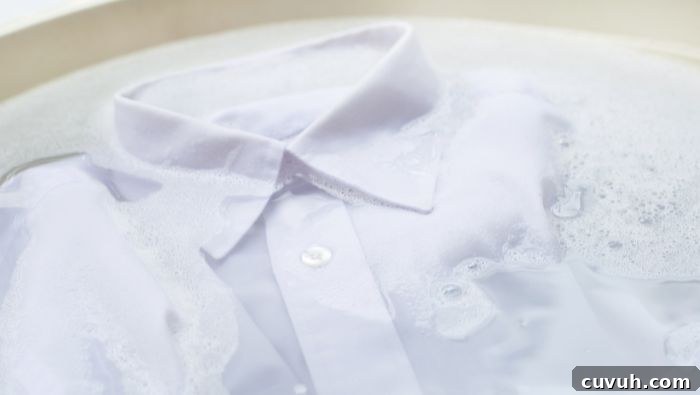
Hand laundering is straightforward once you follow a few rules:
- Always use cold water, a hand-wash technique, and a gentle cleanser—dish soap like a mild brand can work in a pinch.
- Avoid bleach, strong laundry detergents, fabric softeners and other additives.
- Never twist or wring delicate garments; press water out gently with towels.
- Protein fibers (silk, wool) should be protected from heat and sunlight.
- Dry items in a way that avoids stretching—lay flat on towels when in doubt.
- Do not tumble dry DCO items; avoid heat and machine agitation.
[et_pb_text]
More Ways to Cut Dry Cleaning Costs
- You clean, they press. Washing items at home and paying a cleaner to press them can save a large portion of full-service costs—useful for silk blouses you can’t press as well yourself.
- Use coupons. Ask cleaners about competitor coupons or in-house specials to reduce prices.
- Find a low-cost cleaner. Local pricing varies—ask friends or family for recommendations and consider neighborhood cleaners with lower rates.
- Per-pound services. If you have many lightweight garments, per-pound dry cleaning can be economical.
I’ve used these approaches myself. Before trying a new cleaner, ask for recommendations and test their work on a single, noncritical item first.
[et_pb_text]
Related:
- 8 Ways To Save Time and Money on Laundry
- Inexpensive Homemade Stain Remover Recipes and Remedies
- Cheap and Natural Homemade Fabric Softeners
[et_pb_text]
Reviewed October 2025
[et_pb_text]
Popular Articles
- 7 Habits of Highly Frugal People
- 5 Simple Budget Cuts That Can Save $200 a Month
- How to Track Down Unclaimed Funds Owed You
- 32 Ways to Save Money on Your Utility Bills
- Do You Need Credit Life Insurance When Buying a New Car?
- Staying Motivated to Continue Digging Yourself Out of Debt
On After50Finances.com
- 9 Things You Need to Do Before You Retire
- You Didn’t Save Enough for Retirement and You’re 55+
- When Empty Nesters Reorganize and Declutter Their Home
- Reinventing Your Career in Your 50s or 60s
- What Mature Homeowners Should Know about Reverse Mortgages
- 2 Reasons to Collect Social Security Benefits As Soon As Possible