How to Make the Best Remineralizing Homemade Tooth Powder in Under 5 Minutes
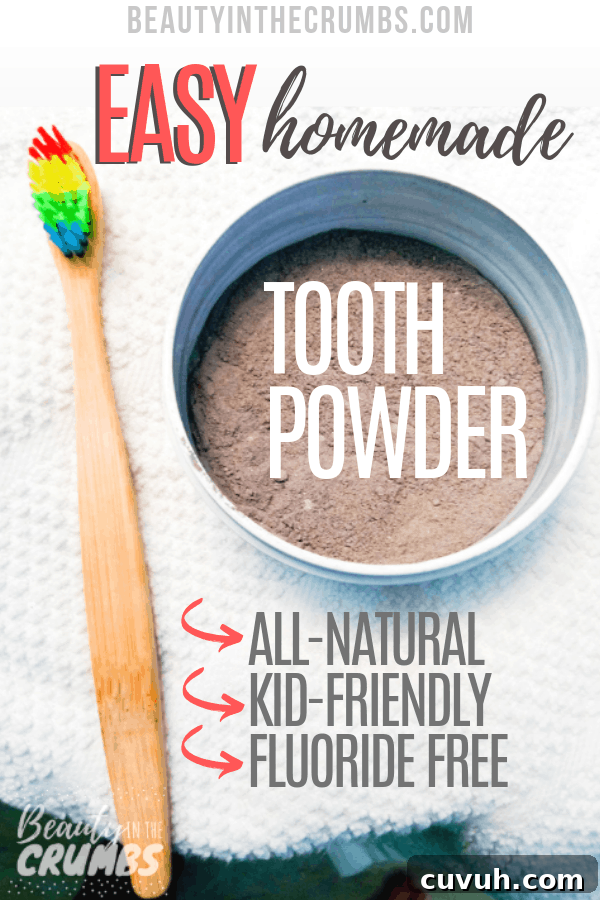
Cure tooth decay with this simple recipe for a remineralizing and whitening tooth powder using bentonite clay, activated charcoal, baking soda or diatomaceous earth, essential oils, and spices. This easy DIY tooth powder is kid-friendly, affordable, and effective.
Disclaimer: This post contains affiliate links. I may earn a small commission if you make a purchase, at no extra cost to you. I only recommend products I genuinely use and trust.
I’ve been wanting to share this homemade tooth powder recipe for a long time. Many people ask about it, and it’s one of my favorite DIYs to make. I love the simplicity and how well it works.
Important note: this is a tooth powder, not a traditional paste. You can convert it to a paste by adding coconut oil, but the powder is quick, effective, and avoids an extra step. If you’ve tried commercial tooth powders, this formula will feel familiar but tailored for remineralizing and whitening.
Why clay and charcoal?
When I refer to “dirt,” I mean natural ingredients like bentonite clay. Bentonite clay is excellent at drawing out impurities and debris, which is why it’s popular in facial masks and topical cleansers. Activated charcoal complements clay by adsorbing toxins and surface stains, making the combination powerful for cleaning and brightening teeth.
Teeth are not completely solid—microscopic pores exist in enamel. Clay and charcoal work by pulling out tiny particles from these pores, helping teeth feel and look cleaner. The result is a deeper clean than many standard toothpastes provide.
Ingredients you need to make tooth powder
Upfront costs for supplies may seem high, but these ingredients last a long time and each has multiple household uses. Below are the ingredients with a brief benefit and one common alternate use.
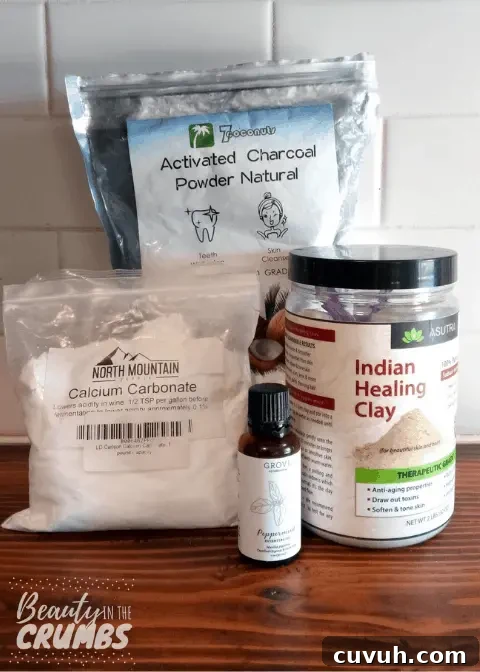
Bentonite Clay
Benefit: draws out impurities and bacteria.
Also used for: homemade diaper cream and topical masks.
Activated Charcoal
Benefit: adsorbs impurities and helps whiten teeth.
Also used for: emergency support for certain types of poisoning and as a general household remedy to adsorb toxins (use under guidance for internal use).
Calcium (calcium carbonate powder)
Benefit: supports remineralization and helps fortify enamel.
Also used for: craft projects like chalk paint and other household uses.
Baking Soda
Benefit: provides gentle abrasion to remove surface deposits.
Also used for: cleaning, deodorizing, and laundry.
Diatomaceous Earth (optional)
Benefit: adds mild abrasiveness for those sensitive to baking soda.
Also used for: pest control for ants and fleas around the home.
Himalayan Salt
Benefit: provides trace minerals that can support remineralization.
Also used for: regular culinary uses and finishing dishes.
Ground Cinnamon
Benefit: adds flavor and has mild antiseptic qualities.
Also used for: baking and spice blends.
Ground Cloves
Benefit: antiseptic properties and can help soothe minor tooth discomfort.
Also used for: cleaning blends and homemade powdered cleaners.
Peppermint Essential Oil
Benefit: freshens breath and offers antibacterial properties.
Also used for: flavoring in small culinary uses and in DIY treats (use food-grade oils when ingesting).
Something to note about switching to tooth powder
Switching from a foamy mint toothpaste to a powder takes a short adjustment period. The texture and sensation are different—rubbing clay and charcoal around your teeth won’t feel like the traditional foamy experience. Many people feel uncertain at first but quickly prefer the clean, squeaky sensation the powder leaves after brushing. Give it a few days to adapt.
The Tooth Powder Recipe
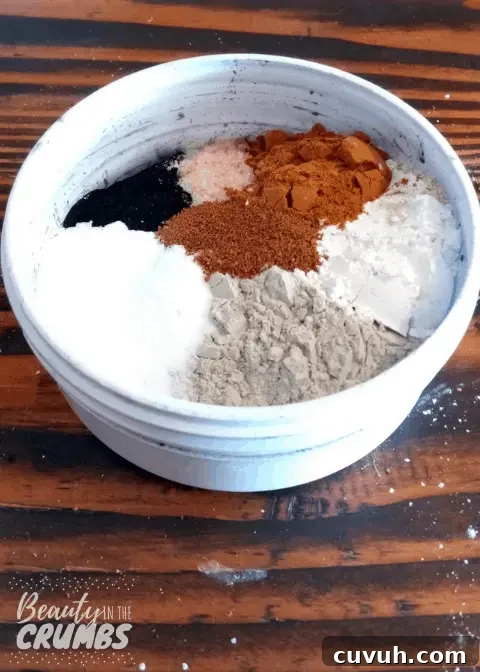
This formula mixes quickly and stores well in a sealed container.
Ingredients
- ¼ cup bentonite clay
- 1 teaspoon–1 tablespoon activated charcoal (adjust for whitening strength)
- 1 teaspoon baking soda
- 1 teaspoon diatomaceous earth (or an additional teaspoon baking soda)
- 2 teaspoons calcium carbonate powder
- 1 teaspoon ground cinnamon
- ½ teaspoon ground cloves
- 1 teaspoon finely ground Himalayan salt (pulse in a grinder if needed)
- 10–15 drops peppermint essential oil
How to Make the Tooth Powder
- Combine all dry ingredients in a non-metal (glass or plastic) container. Place the salt on top.
- Add the peppermint oil to the salt to help disperse the oil and prevent clumping.
- Seal the container and shake or stir until thoroughly mixed.
How to Use Your Remineralizing Tooth Powder
Wet a toothbrush, dip the bristles into the powder, and brush gently for two minutes as you would with toothpaste. Rinse well. If desired, use a pea-sized amount of coconut oil to create a paste texture, but the powder works effectively on its own.
Cleaning tip: Brushing with powder can leave residue in the sink. Rinse and wipe the sink after use. For buildup, sprinkle a little baking soda on a damp cloth and wipe in circular motions to remove residue quickly. Keeping a small shaker of baking soda by the sink makes cleanup easy.