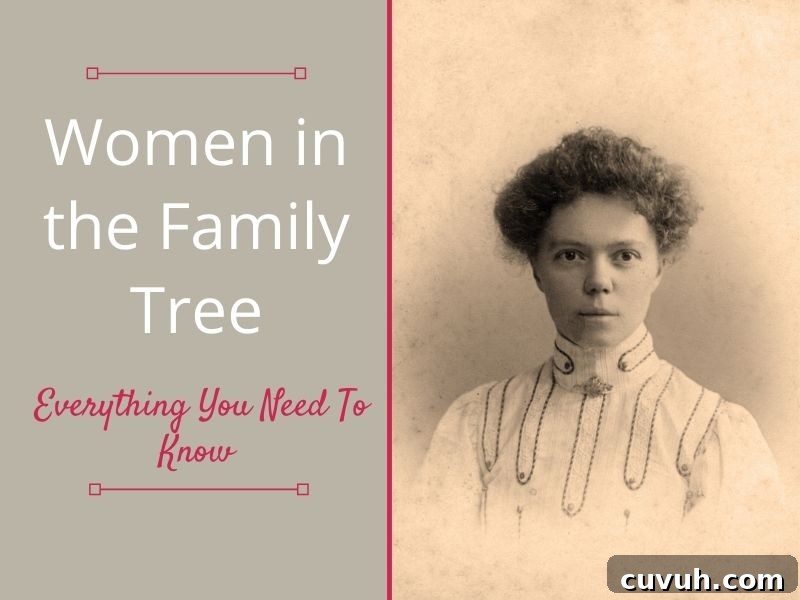
Genealogy tips and strategies to help you find the women in your family tree. Female ancestors do not have to be your brick wall.
How many of your genealogy brick walls involve female ancestors?
It can feel like the women in your tree are hiding, but with the right approach they are discoverable. These ancestors are waiting to be found.
Here is a curated roundup of seven posts from Are You My Cousin? that focus on finding women in the family tree. This collection brings together practical tips and strategies to help you move past common research obstacles.
Women In the Family Tree – Tips & Strategies to Find Them!
These posts collect my best advice for researching women in family trees — from practical search tactics to less‑commonly used records. The goal is to help you break down genealogy brick walls involving female ancestors.
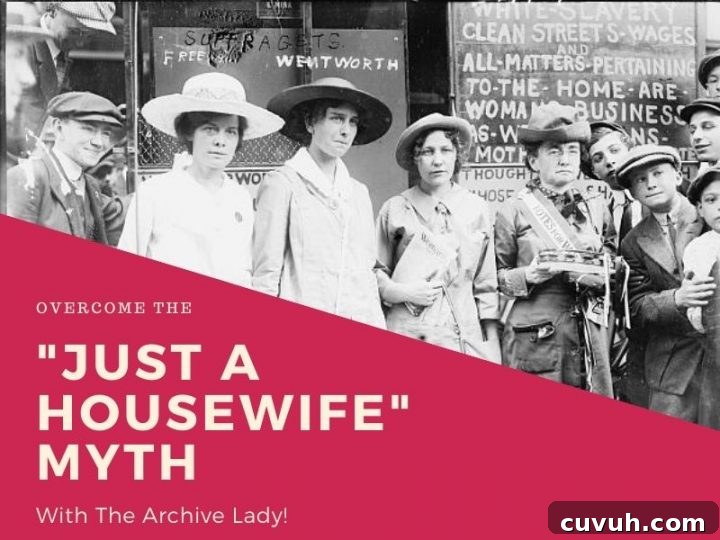
Women In History – Overcoming the “Just a Housewife” Myth
Practical genealogy tips and strategies to locate the women in your family tree and challenge assumptions like the “just a housewife” label.
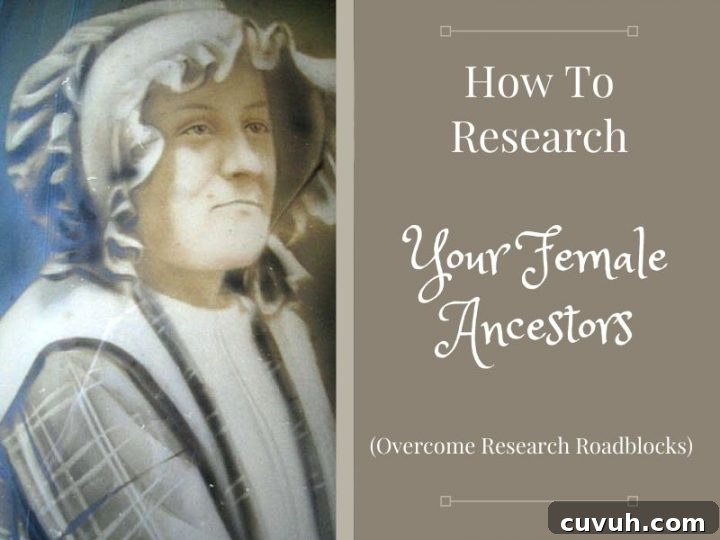
Researching Female Ancestors? You Can Overcome Those Research Roadblocks!
Strategies for overcoming common obstacles when researching female ancestors, including suggested record sets and research workflows.
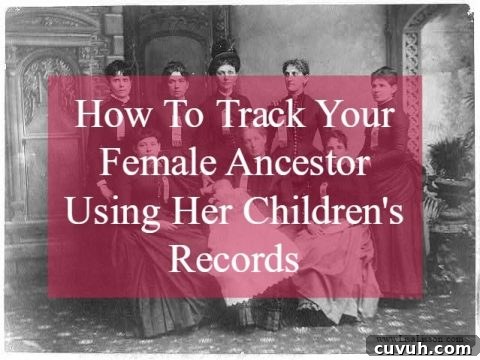
How To Track Females in the Family Tree Using the Children’s Records
An alternative research tactic: shift focus to a woman’s children and their records, which often reveal clues to the mother’s identity, whereabouts, and relationships.
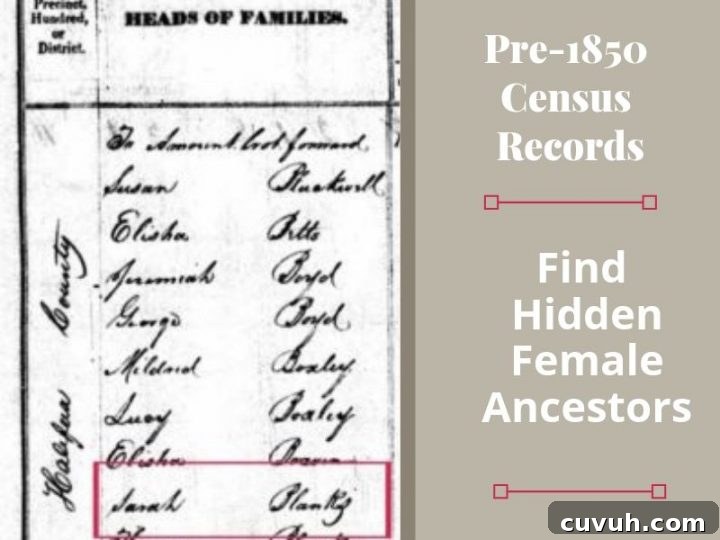
How To Use Pre-1850 Census Records to Find Your Female Ancestors
Early census records contain understated clues to women who are otherwise hard to find; learn how to interpret household tick marks and enumerator details.
How to Use Vintage Cookbooks in Your Genealogy Research
Local and church cookbooks often include dedications, contributor names, and community references that can point to female relatives and their social networks.
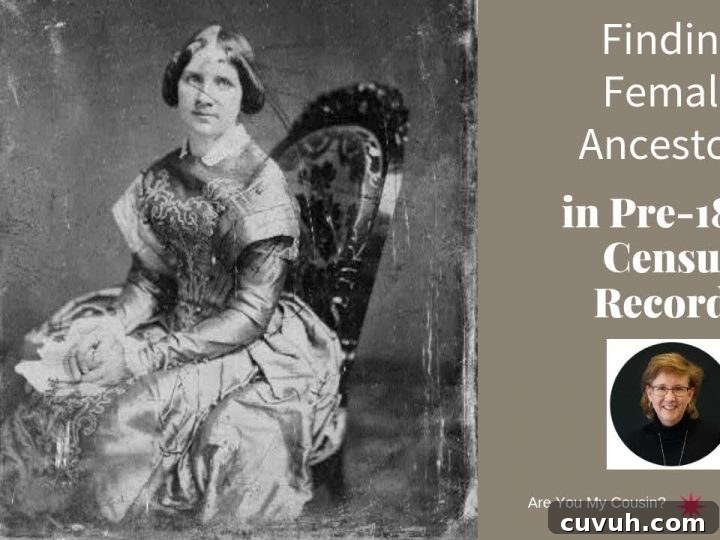
VIDEO – Finding Female Ancestors in the Pre-1850 Census Records
A discussion about using pre‑1850 census records to identify women in households by interpreting enumerator marks and context clues.
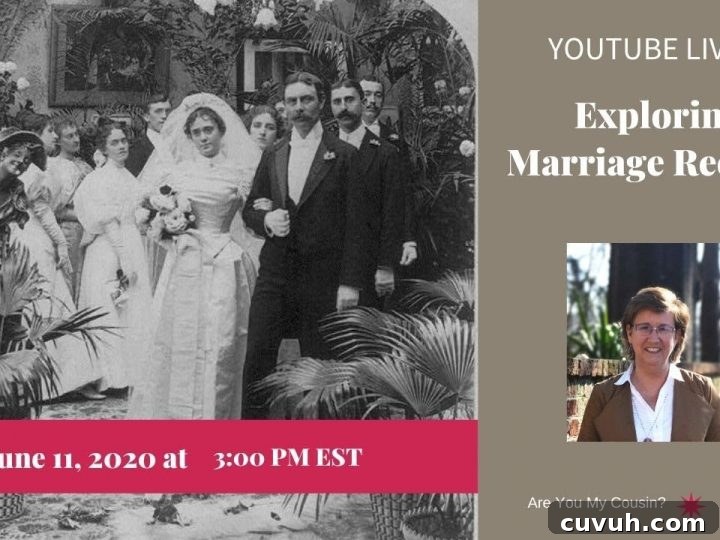
VIDEO – Your Ancestor’s Marriage Record – Let’s Talk Genealogy
Marriage records are prime sources for maiden names and family connections; this video explores strategies to locate hard‑to‑find marriage documentation.
More Websites For Researching Female Ancestors
Newspapers are essential for researching female ancestors. They often contain obituaries, social notices, and community mentions that reveal women’s roles and relationships.
- Digitized newspapers in state archives and local collections. Many state archives host early newspaper collections relevant to regional research.
- Newspapers.com — a large subscription archive for searching obituaries, announcements, and social columns.
- GenealogyBank — another extensive newspaper database useful for obituaries and local news coverage.
- Chronicling America — a free resource from the Library of Congress and a great starting point for historic U.S. newspapers.
Special Collections are often overlooked but invaluable for social history and understanding the topics and institutions that mattered to women in particular communities and eras.
- Library of Congress and similar national collections offer curated resources on women’s history and primary documents related to social movements and daily life.
- Centennial and suffrage collections document women’s political activism and biographical details from the suffrage era — useful for identifying civic engagement and affiliations.
- Collections about marriage, family, and local customs provide context for how relationships and naming practices influenced women’s records.
- State archives and university special collections frequently hold oral histories, local manuscripts, church materials, and photograph collections that name or feature women from the community.
Do you have a favorite record collection you use when researching female ancestors? Share your discoveries and tips in the comments section on the original site.