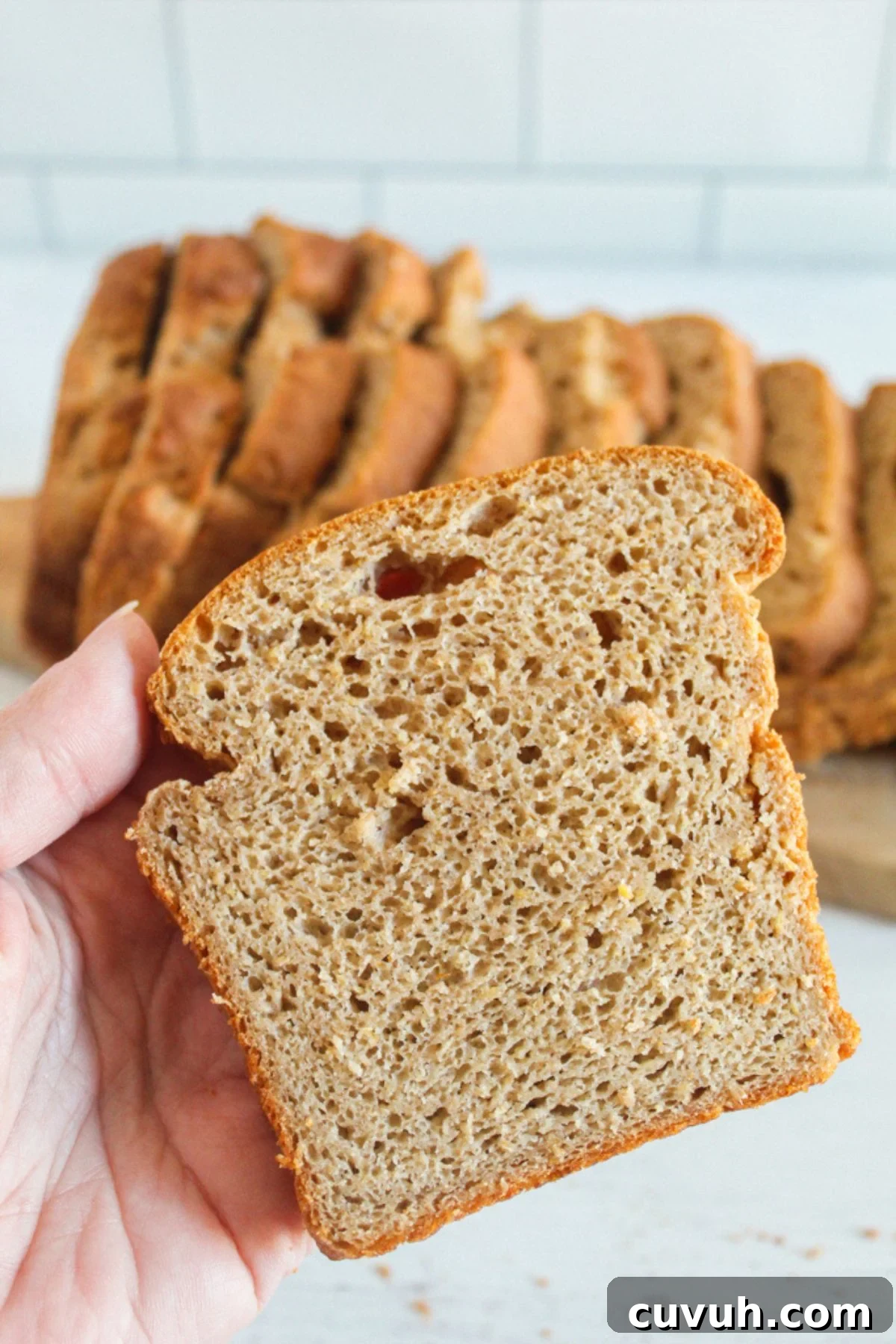
Gluten-free bread can be frustrating. One loaf turns out gummy, another crumbles when sliced, and store-bought options are often pricey, dry, or packed with ingredients you’d rather avoid.
This millet bread fixes those problems with a soft, sliceable loaf perfect for sandwiches, toast, and everyday meals. Millet flour adds a mild, slightly nutty note, while a balanced blend of gluten-free flours and starches creates a tender texture that holds together well.
Table of Contents
If you want a homemade gluten-free loaf that tastes familiar, slices cleanly, and won’t fall apart when you spread butter on it, this millet bread recipe is an excellent place to begin.
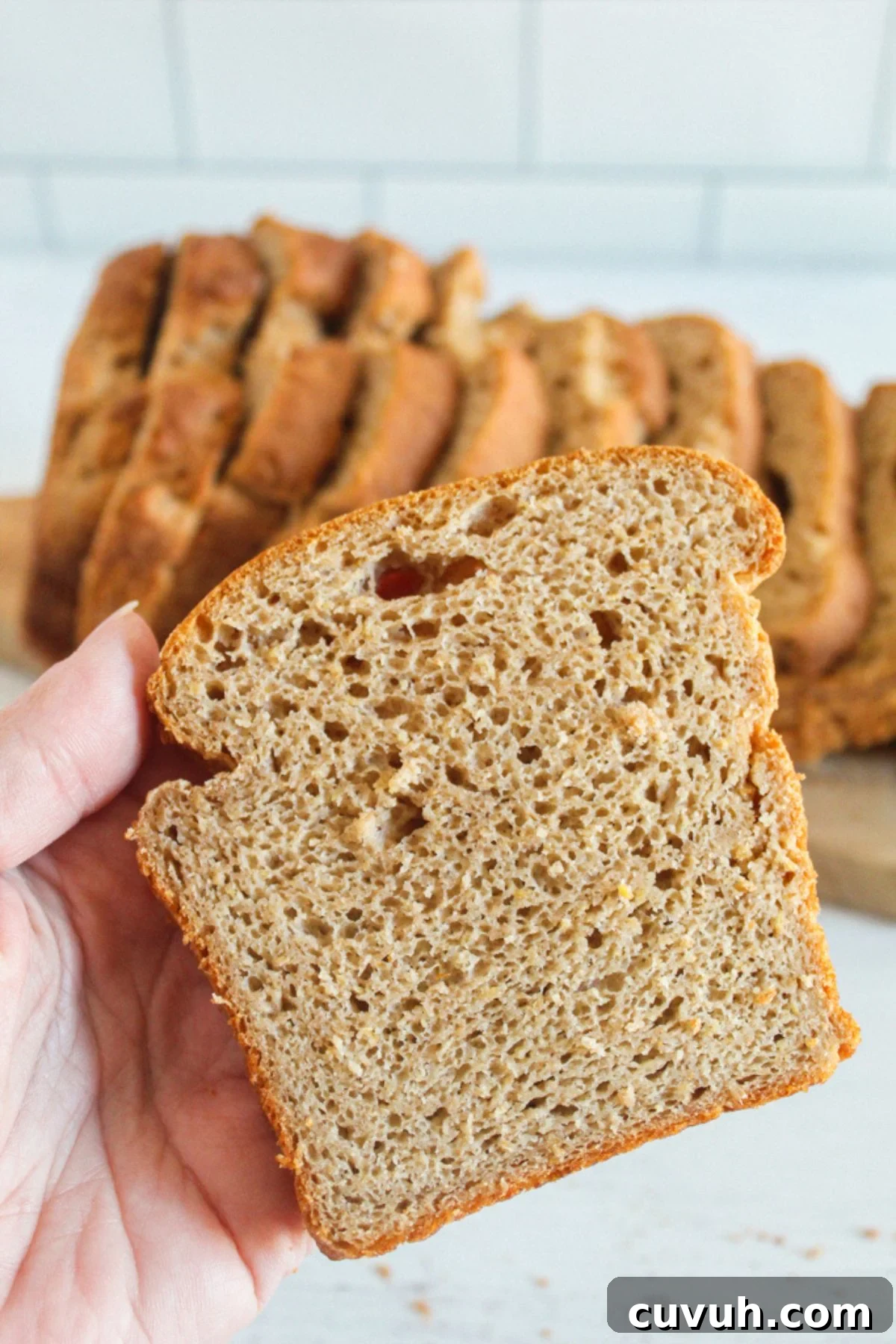
Millet Bread Taste & Texture
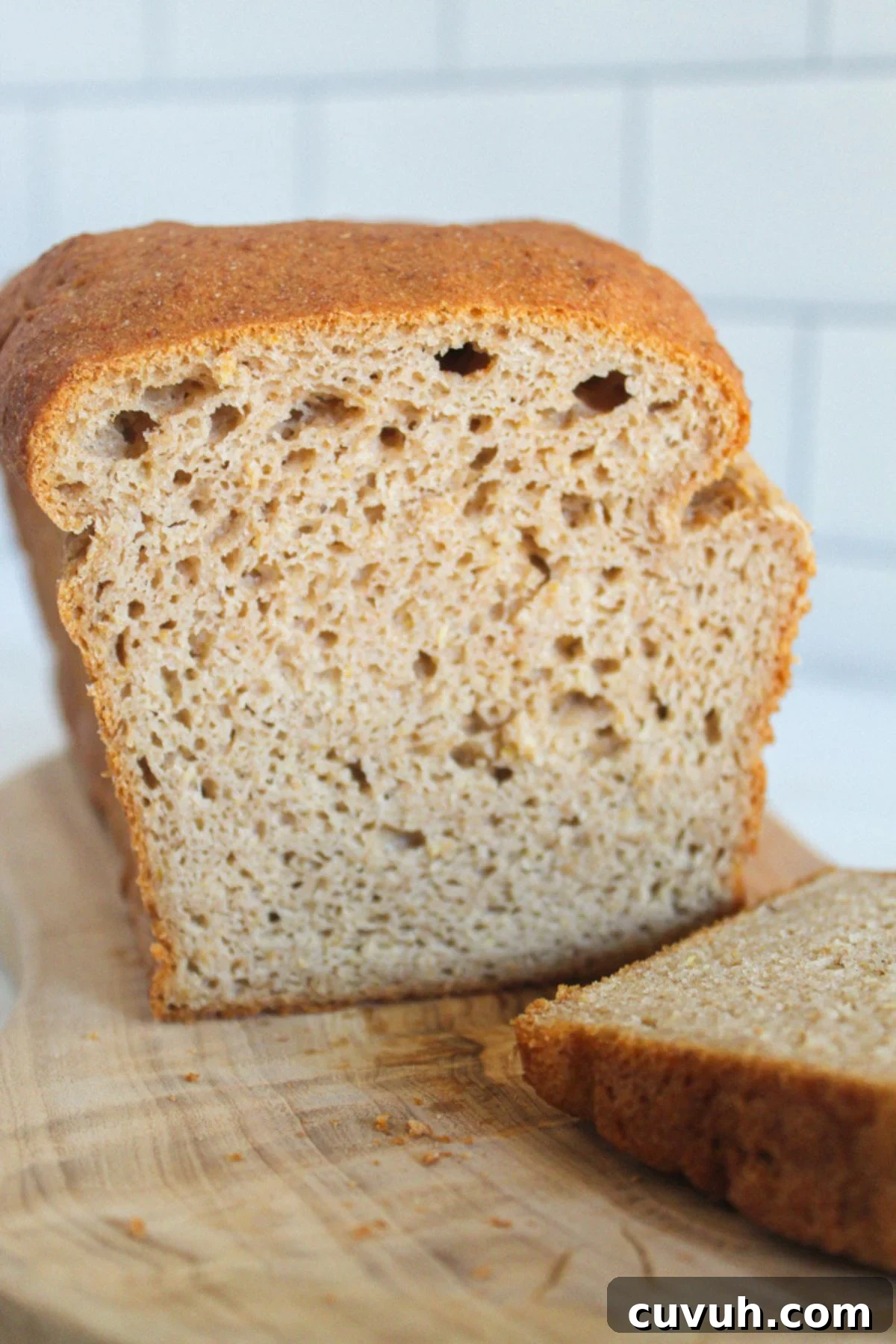
This is one of the most reliable gluten-free loaves to bake because its flavor is very mild—closer to a conventional store-bought bread than many alternative recipes. Millet adds a subtle sweetness and light nuttiness while contributing a delicate yet firm crumb.
This is not a 100% millet flour loaf. Millet is the primary flour, but the recipe depends on a blend of flours and starches to produce a soft, slightly chewy texture. The starches help retain moisture so the bread stays tender and doesn’t dry out quickly.
Gluten-Free Millet Bread at a Glance
If you’ve baked yeast bread before, you know it can take time. The advantage of this millet bread is how quickly it comes together. From start to finish you can expect about an hour and a half. Other highlights:
- Gluten- and dairy-free
- You can make millet flour at home from millet seeds if you prefer fresh flour
- Produces a chewy, all-purpose loaf with a mild flavor
- Stays fresh for up to two days in a well-sealed bag at room temperature
Equipment Needed to Make Millet Bread
Gathering equipment ahead of time makes the process smooth. For this loaf you’ll typically need:
- Digital food scale
- Measuring cup
- Food thermometer
- Medium mixing bowl
- Whisk
- Stand mixer (or a strong hand mixer)
- Rubber spatula
- 8″ x 4.5″ loaf pan
- Oven
- Wire cooling rack
Ingredients for Millet Bread
If you need to shop, save or print the recipe card below for easy reference.
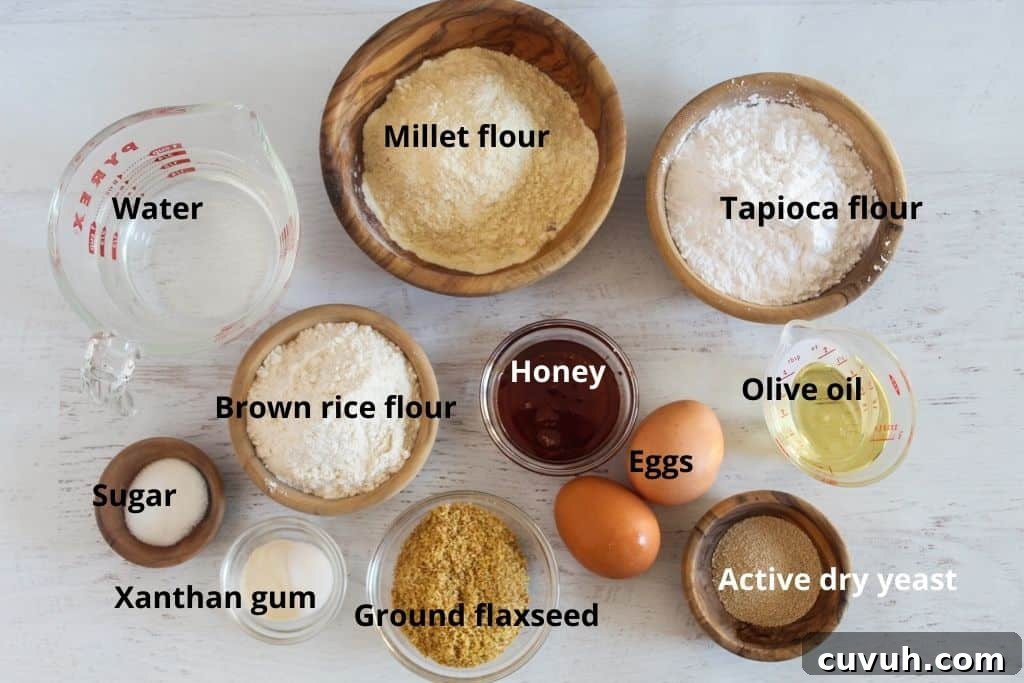
Ingredients Quick Scan
- Active dry yeast
- Granulated sugar
- Water
- Millet flour
- Tapioca flour
- Brown rice flour
- Ground flaxseed
- Xanthan gum
- Salt
- Eggs
- Olive oil
- Honey
Key Ingredient Roles for Millet Bread
Understanding each ingredient helps you get consistent results. Here’s what the main components do in this recipe.
Active Dry Yeast
2 teaspoons active dry yeast
Yeast is the leavening powerhouse: it feeds on a small amount of sugar to produce carbon dioxide, which creates the lift and airy texture in the loaf.
Granulated Sugar
1 teaspoon granulated sugar
Sugar gives the yeast something to consume as it activates and begins producing gas.
Water
1 cup hot (about 100°F) water
Water provides liquid for the dough and activates the active dry yeast. Aim for roughly 100°F so the yeast awakens without being damaged. A foamy surface after a few minutes indicates successful proofing.
Millet Flour
120 grams (about 1 cup) millet flour
Millet flour is naturally gluten-free with a mild, nutty flavor. It contributes structure and flavor but works best combined with other flours and starches for an ideal crumb.
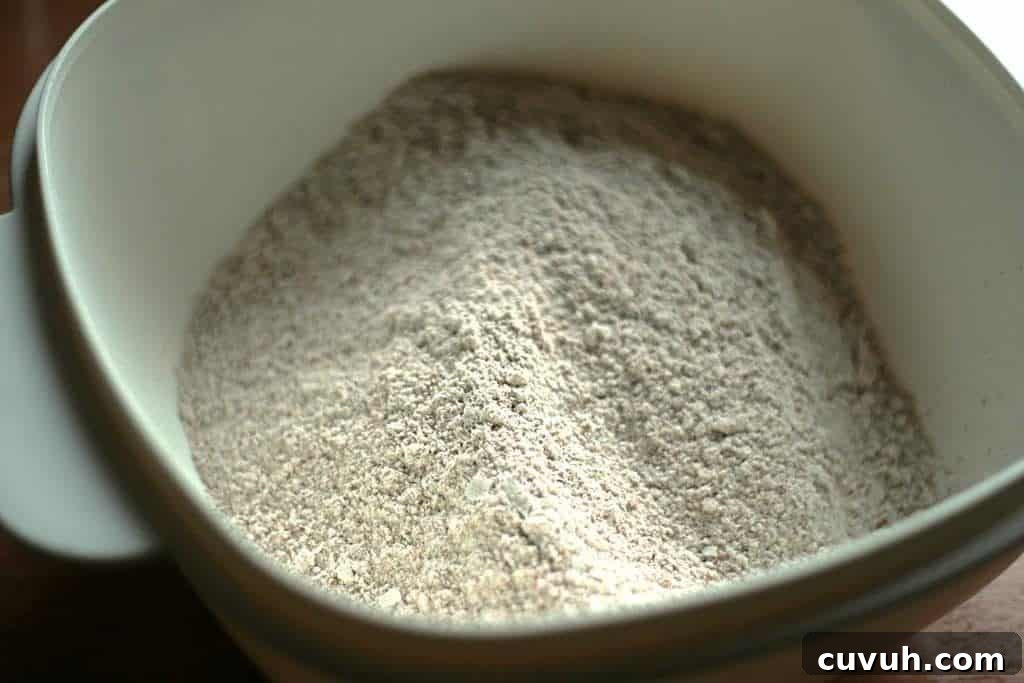
How to Grind Millet Flour
If you have hulled millet seeds, you can grind fresh millet flour in a high-speed blender or food processor. Rinse and dry seeds thoroughly, grind small batches to a fine powder, then sift out any large pieces. Use freshly ground flour quickly or store it briefly in the refrigerator.
Tapioca Flour
75 grams (about 3/4 cup) tapioca flour
Tapioca is a starch that helps retain moisture and improves the loaf’s tenderness. Use tapioca flour/starch (not pearl tapioca).
Brown Rice Flour
75 grams (about 1/2 cup) brown rice flour
Brown rice flour balances the millet flour’s texture and contributes a slightly different protein and fiber profile, which helps the dough retain moisture correctly.
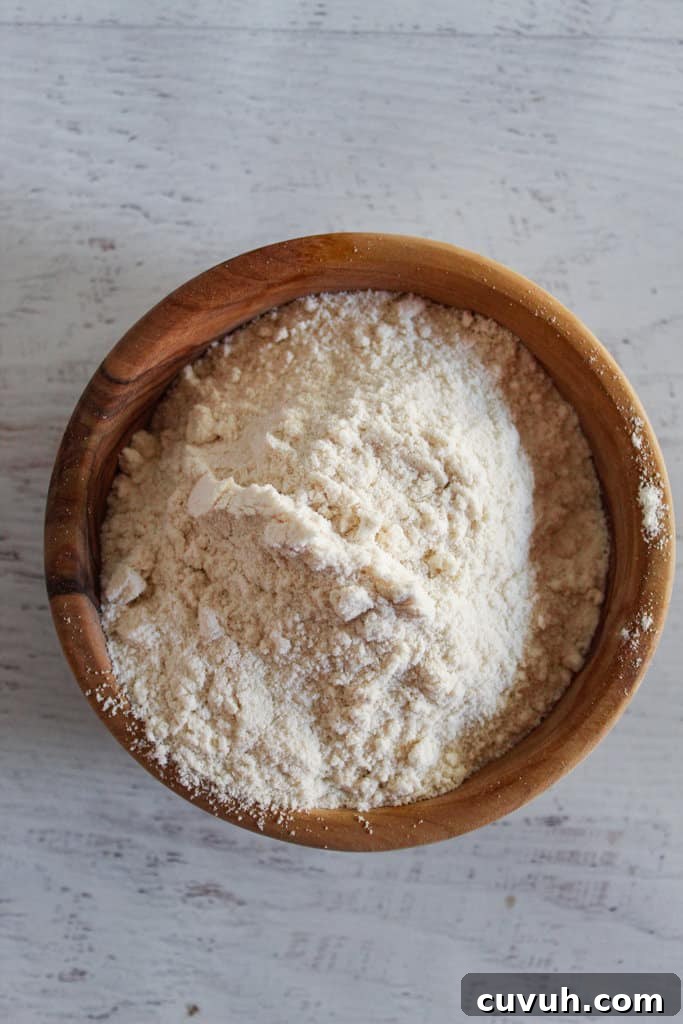
Flaxseed Meal
27 grams (about 1/4 cup) flaxseed meal
Flaxseed meal adds binding, helps retain moisture, and improves texture. It can also substitute for some binders in other gluten-free applications.
Xanthan Gum
1 teaspoon xanthan gum
Xanthan gum replaces gluten’s binding ability and helps the dough hold together. One teaspoon is enough for this formula.
Salt
1/2 teaspoon salt
Salt enhances and balances flavor and can moderate yeast activity. Avoid adding too much, since excess salt can negatively affect yeast.
Eggs
2 eggs
Eggs add structure and help the loaf set. Include the yolks for their emulsifying properties, which improve the mixing of fats and liquids.
Olive Oil
3 tablespoons olive oil
Olive oil adds richness and tenderness. Extra-virgin olive oil is a good choice for flavor and beneficial fats.
Honey
2 tablespoons honey
Honey provides a touch of sweetness and moisture. Use your preferred honey; maple syrup can substitute if needed.
Quick Success Tips Before You Bake
For a soft, sliceable millet loaf, follow these tips:
- Use a digital scale. Weigh flours for consistent results; cup measurements vary.
- Do not knead. Gluten-free dough behaves like a thick batter—no kneading required.
- Rise only to the top of the pan. Overproofing can cause collapse.
- Bake to 205–210°F. An instant-read thermometer ensures the center is fully done.
- Cool completely before slicing. Cooling allows the crumb to set and prevents gumminess.
When you’re ready, measure ingredients by weight and follow the recipe steps for the best texture.
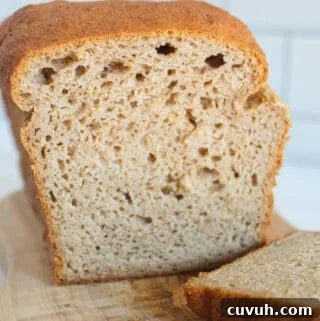
Printable Millet Bread Recipe Card
Ingredients
- 2 teaspoons active dry yeast
- 1 teaspoon sugar
- 1 cup water 100°F
- 120 grams millet flour about 1 cup
- 90 grams tapioca flour about 3/4 cup
- 75 grams brown rice flour about 1/2 cup
- 27 grams ground flax seed about 1/4 cup
- 1 teaspoon xanthan gum
- 1/2 teaspoon salt
- 2 eggs
- 3 Tablespoons olive oil
- 2 Tablespoons honey
Instructions
- In a measuring cup, stir the yeast into warm water and let sit for 5 minutes to proof; it should look slightly foamy.
- Meanwhile, whisk together millet flour, tapioca flour, brown rice flour, ground flaxseed, xanthan gum, and salt in a medium bowl.
- Add eggs, olive oil, honey, sugar, and the proofed yeast mixture to the stand mixer bowl. Mix 30 seconds.
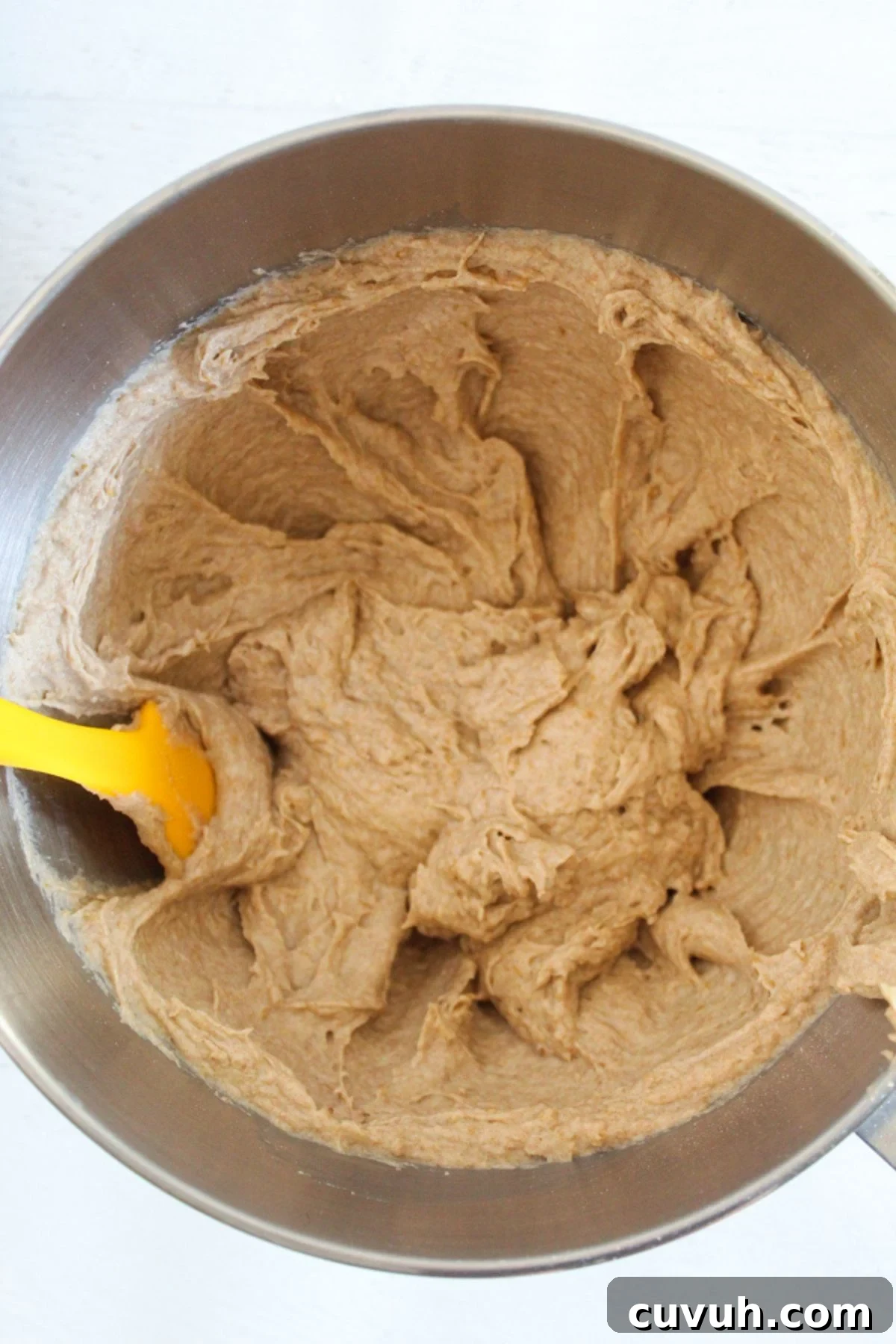
- Add the dry ingredients to the mixer and mix 30 seconds. Scrape the batter, then mix on medium speed for 3 minutes.
- Spray an 8″ x 4.5″ pan with cooking spray and scrape the batter into it, distributing evenly.
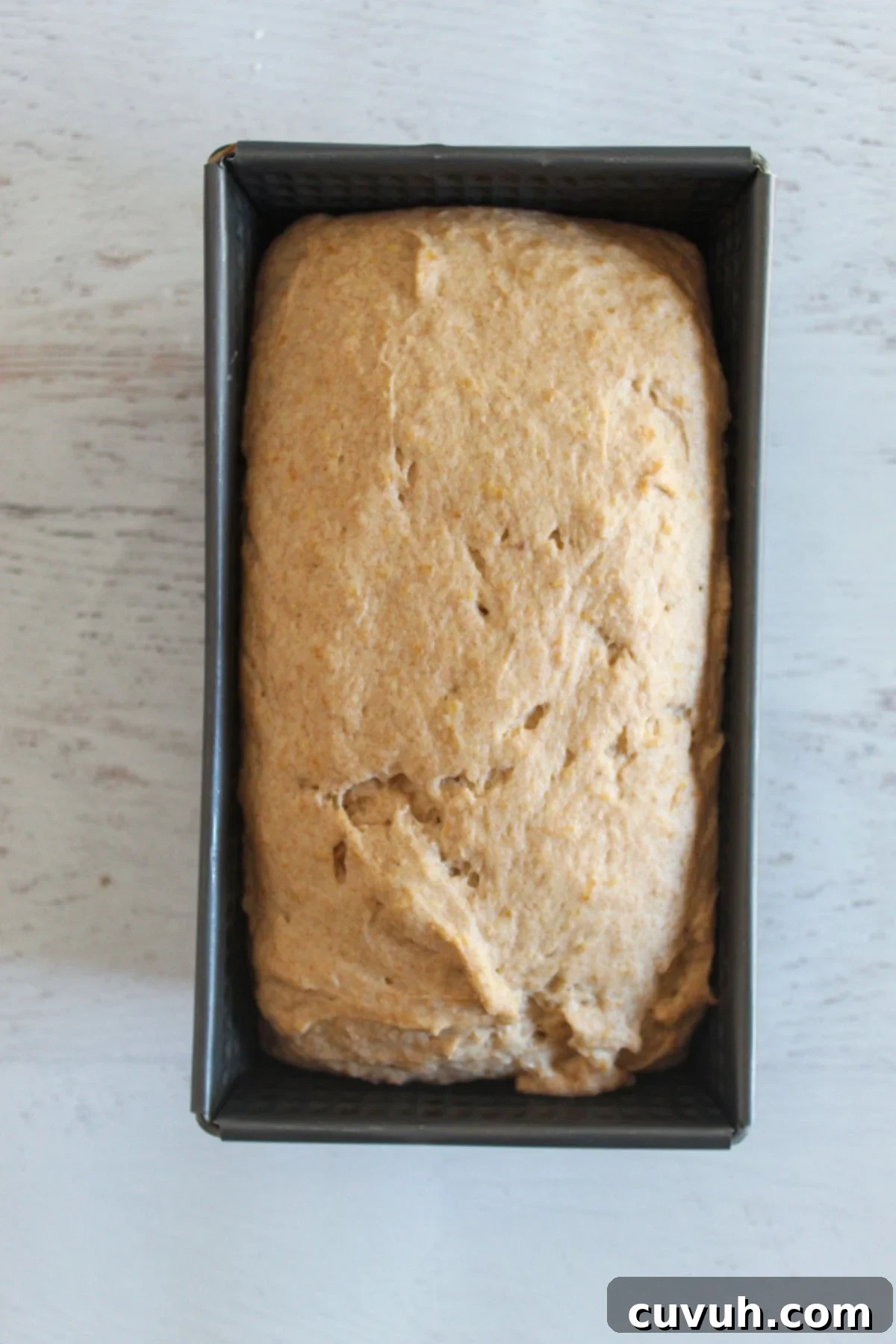
- Let the dough rise 35 minutes or until it just crests above the top of the pan.
- Preheat the oven to 350°F (176°C) while the dough rises.
- Bake 35–40 minutes or until an instant-read thermometer reads 205–210°F (96–99°C) in the center.
- Cool in the pan 15 minutes, then turn out onto a wire rack and cool completely before slicing.
- Serve as sandwiches, toast (great with avocado), or with butter and jam.
Nutrition
|
Carbohydrates: 22 g
|
Protein: 3 g
Did you make and love this recipe? Give it your review and rating below!
How to Make Millet Bread
With equipment and ingredients ready, the process is straightforward. The hardest part is being patient while the dough rises and the kitchen fills with a tempting aroma.
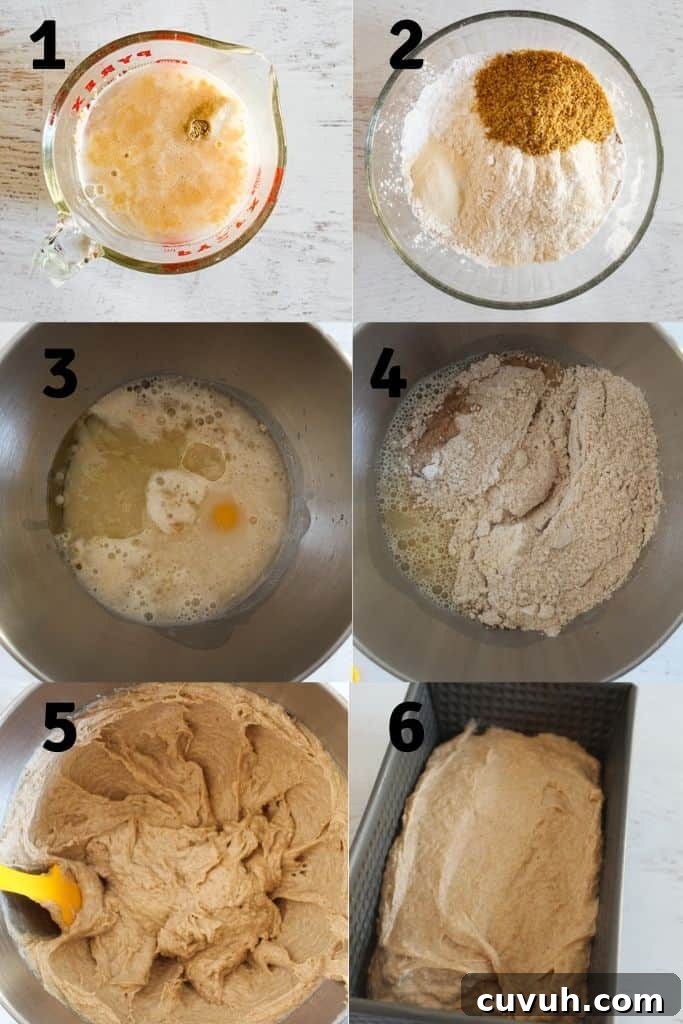
Step One: Activate Yeast
Stir the yeast into warm water and let sit for about 5 minutes until slightly foamy—this is proofing.
Step Two: Mix All Dry Ingredients Except Sugar
Whisk millet flour, tapioca flour, brown rice flour, ground flaxseed, xanthan gum, and salt together in a medium bowl.
Step Three: Use a Stand Mixer to Mix Wet Ingredients and Sugar
Add eggs, olive oil, honey, sugar, and the proofed yeast to the stand mixer bowl and mix 30 seconds.
Step Four: Add Flour Mix to Wet Ingredients
Add the dry mix to the wet ingredients, mix briefly, scrape, then mix on medium speed for 3 minutes.
Step Five: Add Dough to Loaf Pan
Spray an 8″ x 4.5″ pan and scrape the batter into it, smoothing so it’s even.
Step Six: Let Dough Rise
Let the dough rise about 35 minutes or until it crests over the top of the pan.
Step Seven: Preheat Oven
Preheat the oven to 350°F (176°C) while the dough rises.
Step Eight: Bake Bread
Bake 35–40 minutes or until an instant-read thermometer reads 205–210°F (96–99°C) in the center.
Step Nine: Let Bread Cool
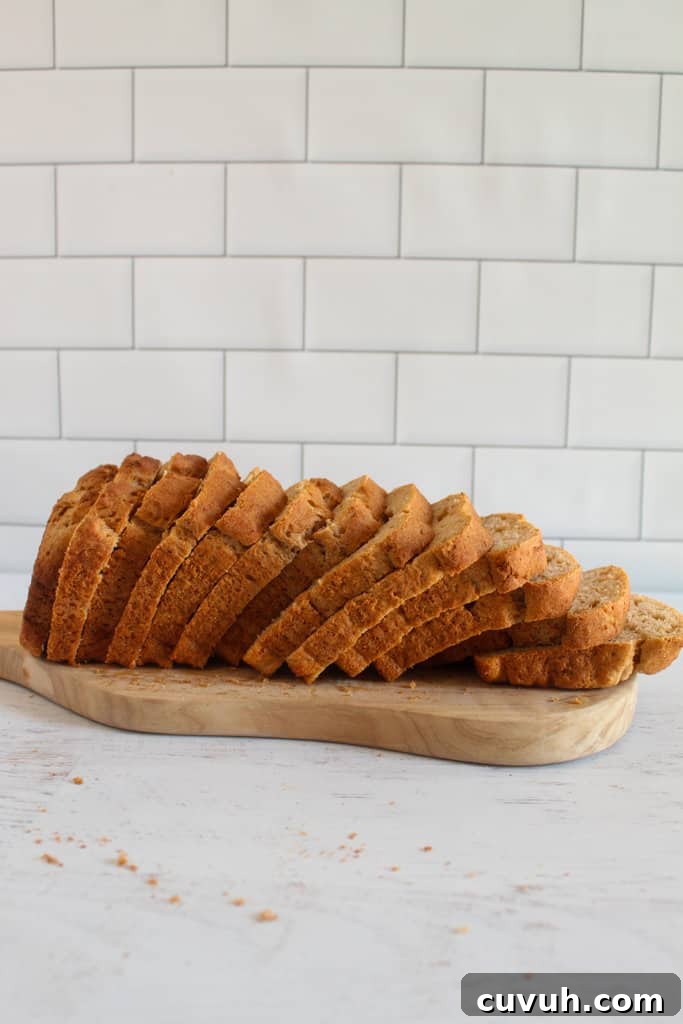
Cool in the pan 15 minutes, then turn out onto a wire rack and cool completely before slicing to ensure the crumb sets properly.
Step Ten: Serve or Store
This bread is great for sandwiches or avocado toast and also pairs simply with butter and jam. Store a whole loaf in an airtight container at room temperature for up to two days. Slice and freeze for longer storage; thaw in the fridge overnight or at room temperature for an hour or two, or toast from frozen.
Substitutions for Millet Bread
If you’re short on millet flour, substitute up to half with teff flour, keeping the total weight at 120 grams. White rice flour can replace brown rice flour in a pinch; sorghum can work with added binder. Psyllium husk powder or extra flaxseed meal can replace xanthan gum for those sensitive to it. Maple syrup substitutes for honey if you prefer.
To replace each egg, mix 1 tablespoon flaxseed meal with 3 tablespoons water, let sit to gel, then add to the wet ingredients.
Pro Tips
Small details make a big difference with gluten-free breads. A few pro tips:
1. Use room temperature ingredients (except the warm water)
Room temperature ingredients combine more easily; the water used to proof yeast should be around 100°F.
2. Measure the flour by weight
A digital scale ensures accuracy and prevents dry, dense loaves caused by overmeasuring flour with cups.
3. Let the batter rise only until it reaches the top of the pan
Allow the dough to rise just until it crests the loaf pan—about 35 minutes. Overproofing can cause overflow or collapse during baking.
FAQ for This Millet Bread Recipe
Here are answers to common questions that can help troubleshoot issues and ensure consistent results.
How can I be sure this bread is gluten-free?
Millet and rice flours are naturally gluten-free. If baking for someone with celiac disease, choose products labeled “gluten-free” to avoid cross-contact from processing.
Can I make this millet bread without a stand mixer?
A stand mixer is easiest, but a powerful hand mixer can work. Avoid kneading; the dough is more like a batter.
Why is my gluten-free millet bread gummy inside?
Gumminess usually means underbaked or sliced before cooling. Bake to 205–210°F and cool fully so the crumb sets. Excess moisture or insufficient dry ingredients can also cause a gummy center.
Why is my bread too dry or crumbly?
Overbaking or adding too much flour (especially when measuring by cups) can produce a dry, crumbly loaf. Check oven temperature and measure flours by weight for best results. Too much xanthan gum can also dry the bread.
Can I freeze millet bread?
Yes. Cool completely, slice, and freeze in airtight bags. Thaw at room temperature, in the fridge overnight, or toast from frozen for best texture.
Can I use instant yeast instead of active dry yeast?
Yes. Instant yeast can be mixed into the dry ingredients without proofing, though you can still bloom a small sample in warm water to confirm activity. Watch rise times, as instant yeast can act faster.
Why did my gluten-free bread collapse after baking?
Collapse can result from overproofing, excess moisture, or underbaking. Rise only until the dough reaches the top of the pan and bake until the center reaches 205–210°F.
Is millet flour safe for people with celiac disease?
Millet is naturally gluten-free, but choose products labeled “gluten-free” to ensure no cross-contact. Clean utensils and work surfaces to avoid cross-contact in the kitchen.
Favorite Ways to Use Gluten-Free Millet Bread
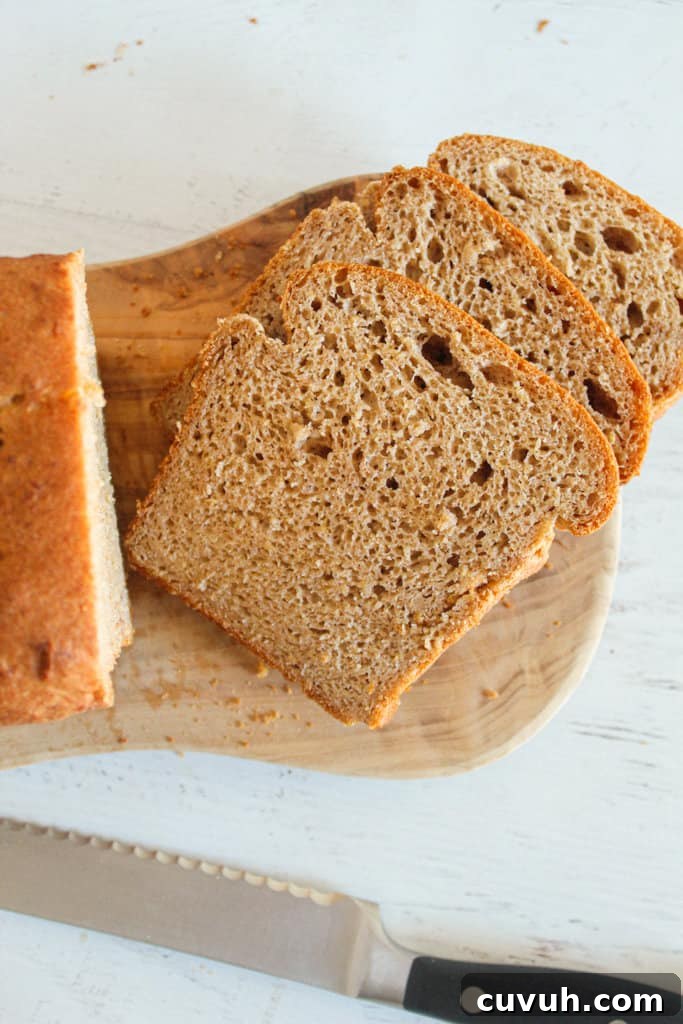
This mild, sturdy bread works well for sweet and savory dishes and holds up to soaking, toasting, and baking.
Try these ideas:
- French toast casserole: Cubed millet bread absorbs custard while holding its shape for make-ahead breakfasts.
- Bread pudding: Use leftovers with cinnamon, vanilla, fruit, or chocolate for a comforting dessert.
- Stuffing: Cube and toast the bread; it soaks up broth and herbs without turning mushy.
Slice fresh, toast for breakfast, or transform leftovers into a comforting dish—this millet loaf is versatile and dependable.
Try This Millet Bread and Share Your Results
If you bake this millet bread, please share how it turned out in the comments and what you used it for—sandwiches, toast, casserole, stuffing, or something else. Your feedback helps other gluten-free bakers get great results.