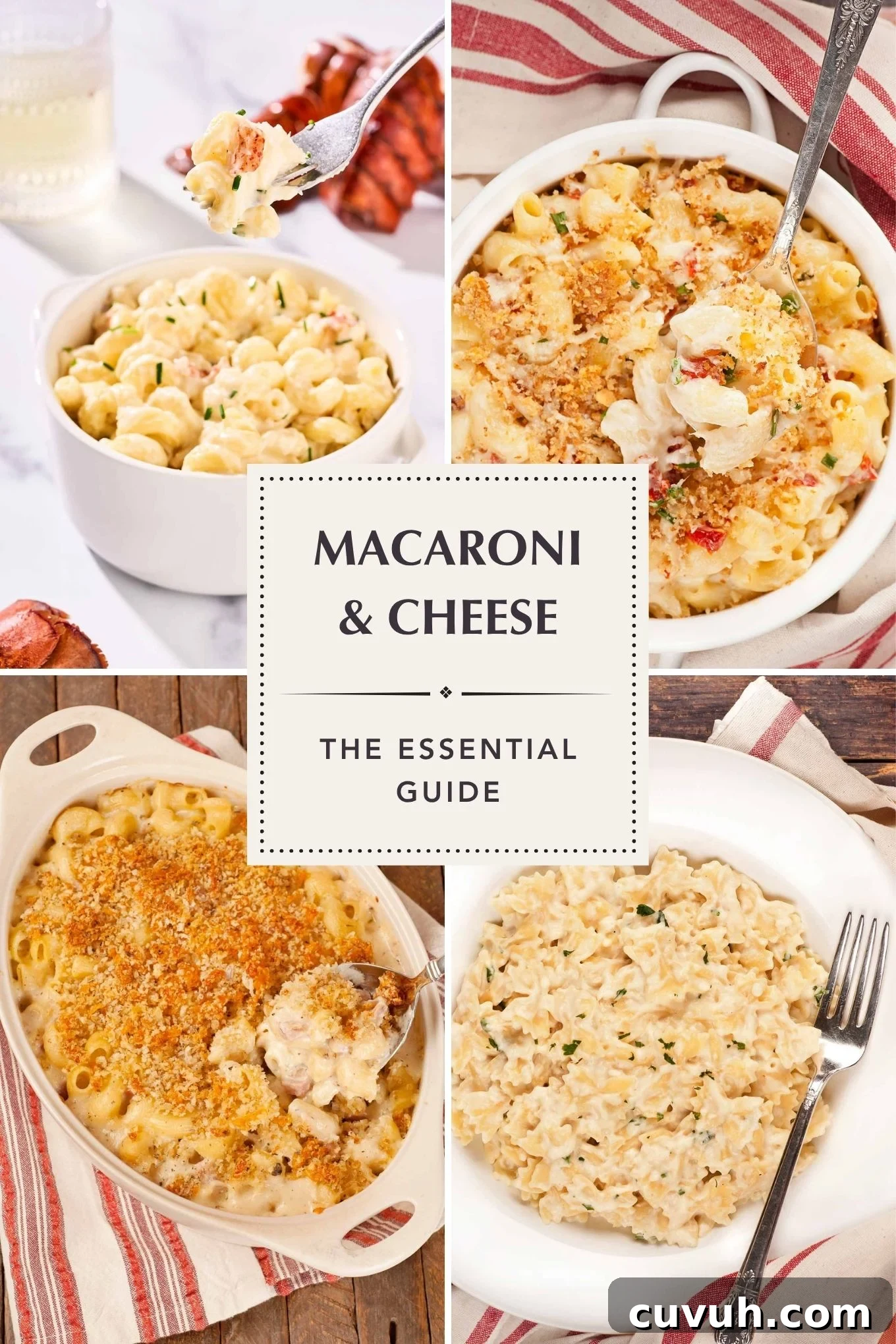
From a silky béchamel to choosing the right cheeses and pasta shapes, this guide covers everything you need to make homemade macaroni and cheese from scratch.
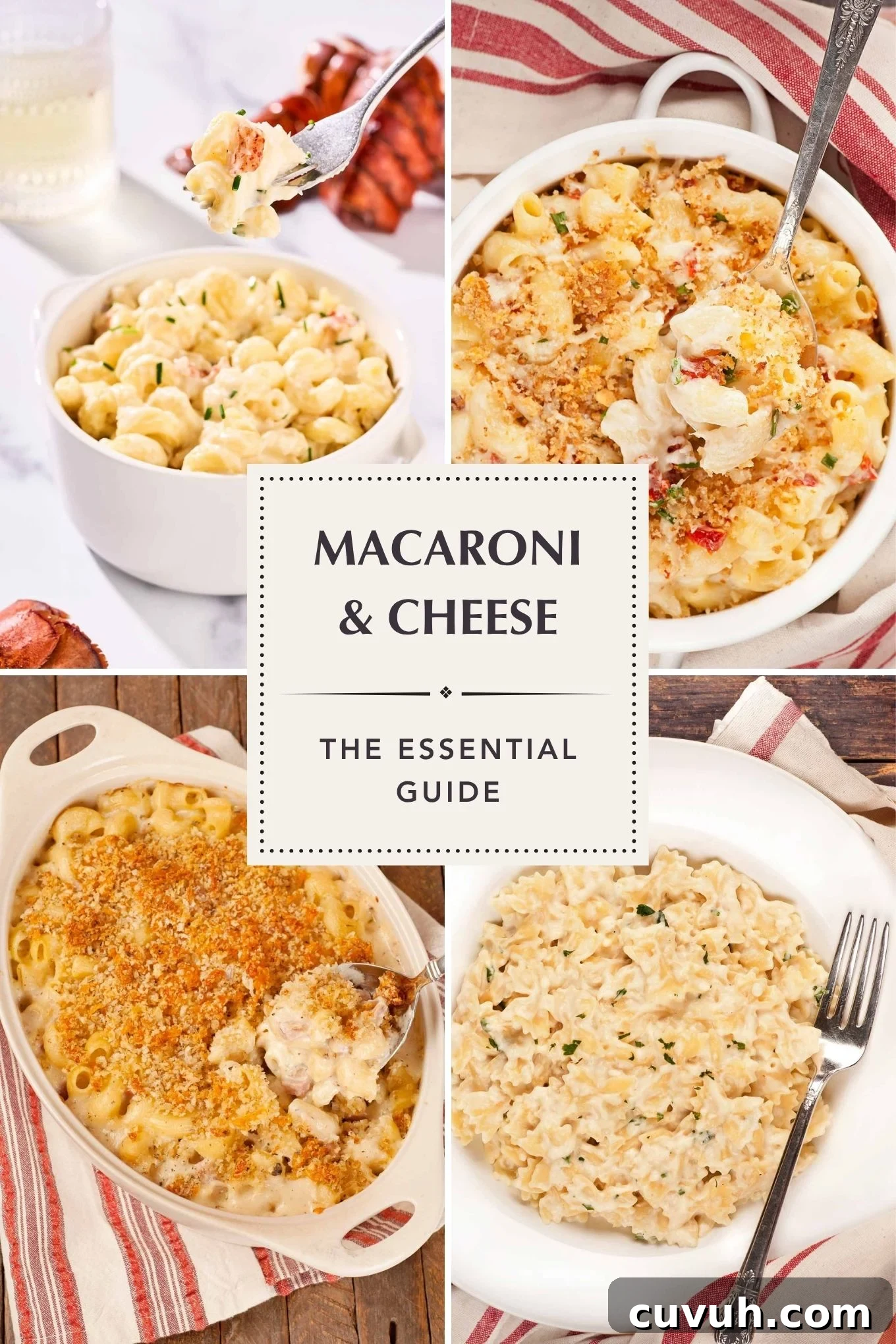
Macaroni and Cheese at a Glance
- Foundation: Pasta + béchamel sauce + cheese
- Best Pasta Shapes: Elbows, cavatappi, shells, pipette, mini farfalle
- Best Melting Cheeses: Fontina, Gruyère, Gouda, cheddar, Havarti, Monterey Jack
- For Creamiest Results: Use whole milk and grate cheese fresh
- Stovetop Style: Softer, creamier texture
- Baked Style: Firmer texture with a crisp topping
The Secret to Better Homemade Mac and Cheese
At its core, great macaroni and cheese depends on three elements: the pasta, a smooth béchamel, and good melting cheese. When those components are balanced, you can make everything from a rich stovetop mac to a golden-baked casserole with a crunchy topping. Understanding how the sauce and pasta interact lets you customize textures and flavors with confidence.
This guide explains how to pick the right pasta and cheeses, build a lump-free sauce, and decide whether to serve the dish straight from the stove or to finish it in the oven. It also highlights a few favorite variations—from French-inspired bakes to indulgent lobster mac.
Choosing the Right Ingredients
Creamy, flavorful mac and cheese starts with thoughtfully chosen ingredients. Follow these guidelines for the best results.
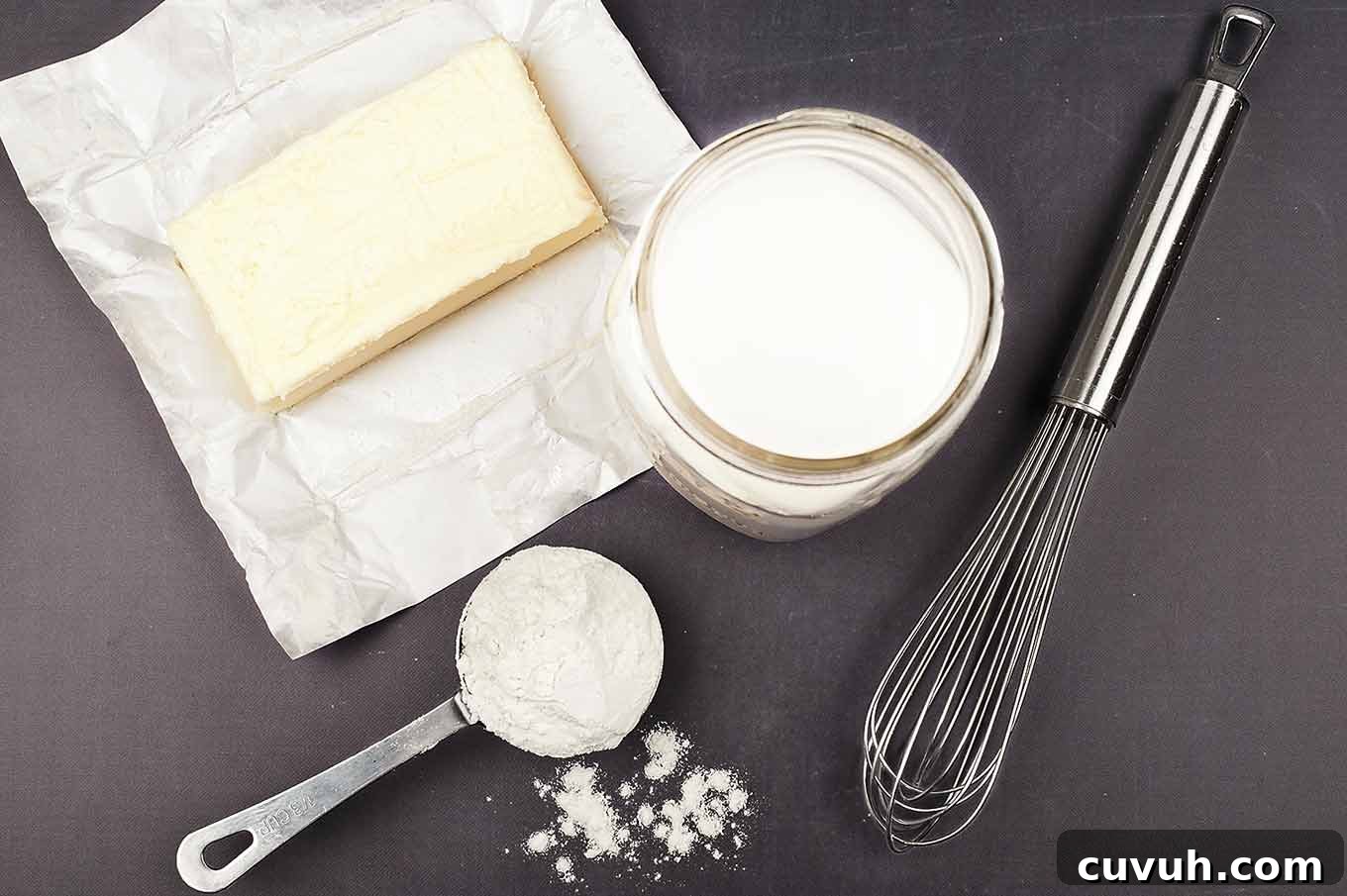
Use Whole Milk and Real Butter
Full-fat dairy creates a smoother, richer sauce that’s less prone to breaking. Whole milk and unsalted butter give the best mouthfeel and flavor balance.
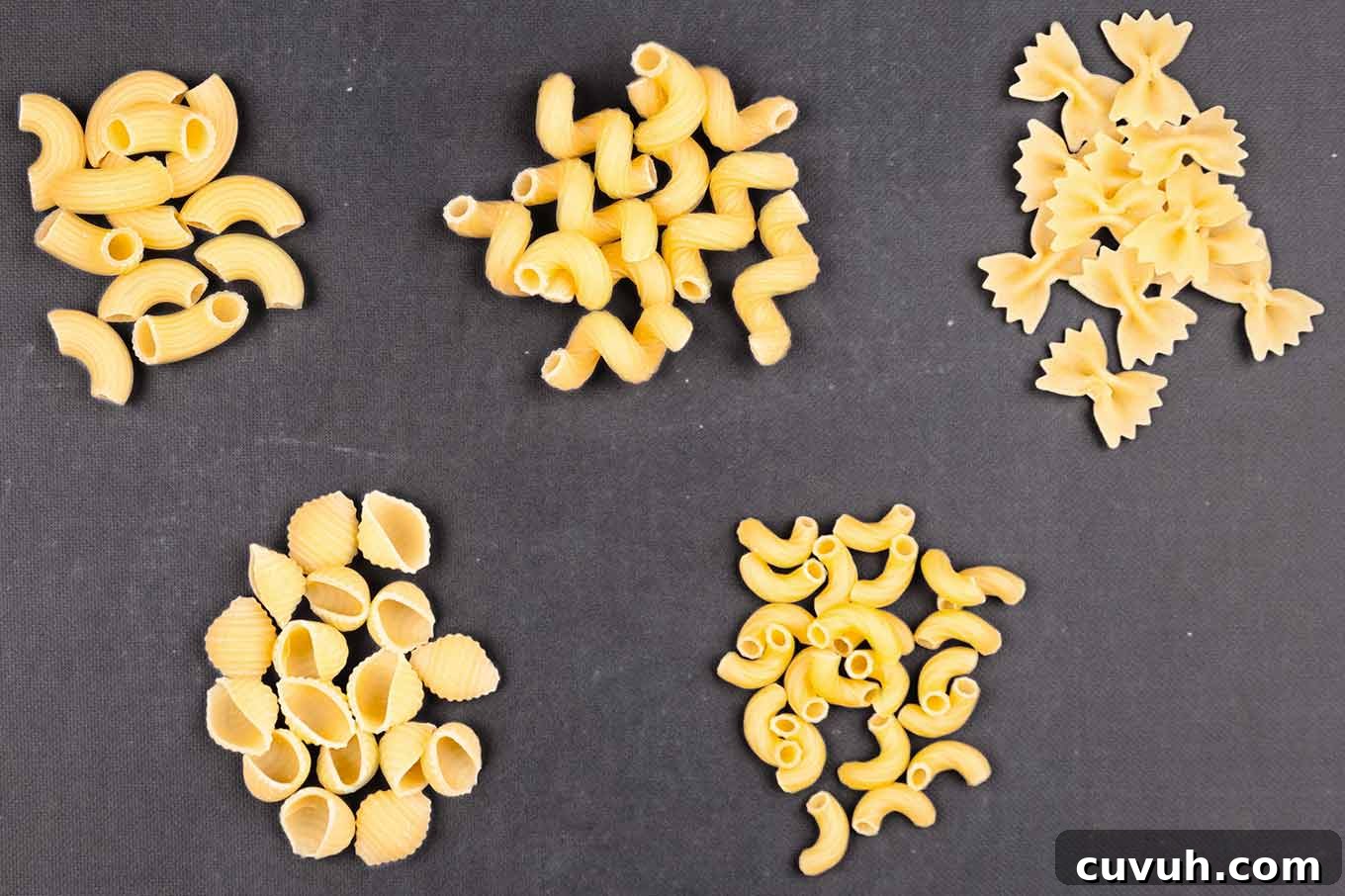
Pick Pasta That Holds the Sauce
Choose small shapes with ridges, twists, or pockets so the sauce clings to each bite. Elbows, pipette, cavatappi, mini farfalle, and small shells are ideal.
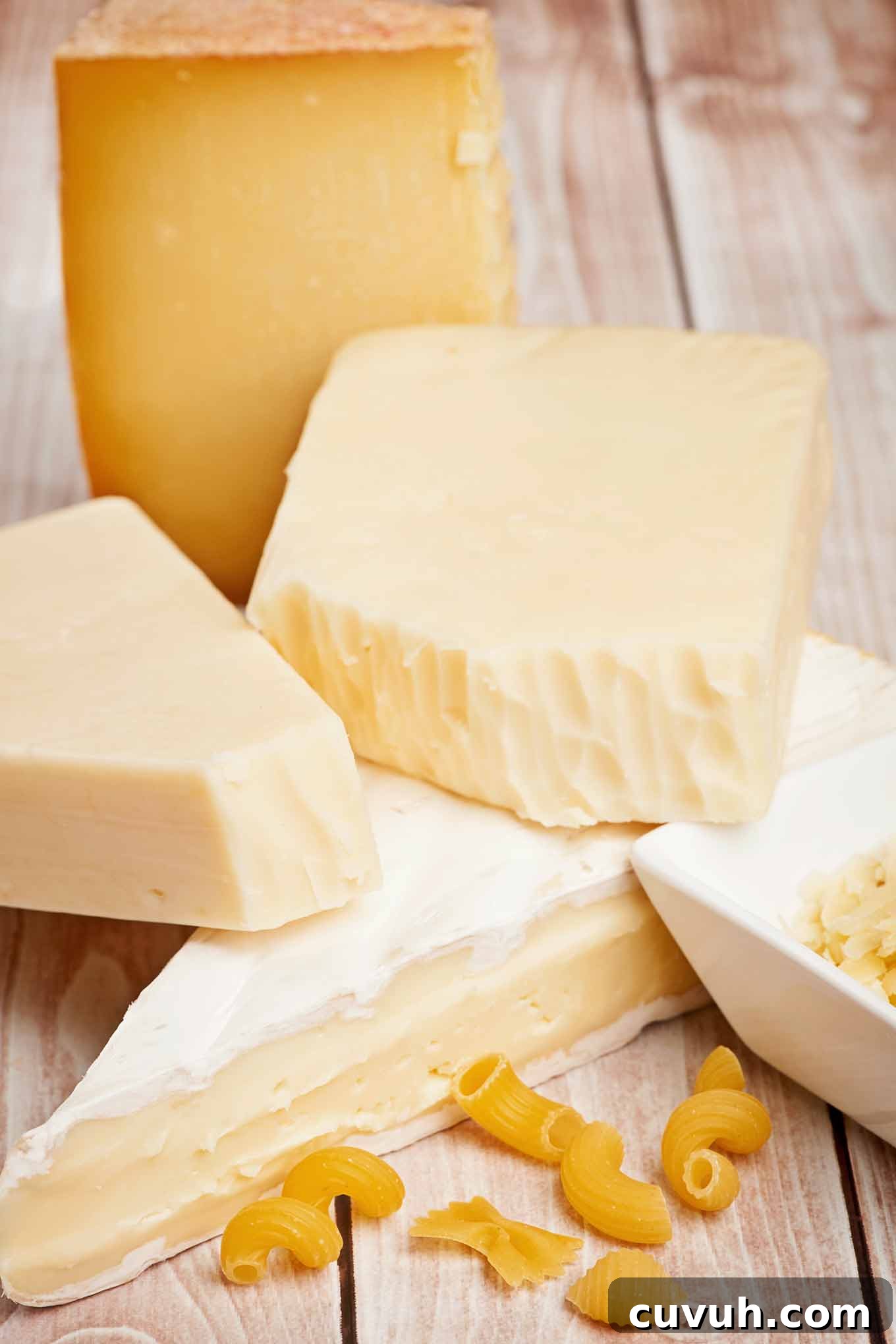
Choose Smooth-Melting Cheeses
Pick cheeses known for melting smoothly: Fontina, Gruyère, Gouda, Havarti, mozzarella, Monterey Jack, Muenster, and good-quality cheddar are dependable choices. Freshly grate them for the best texture.
Tip: Keep cheese cold until you grate it and avoid pre-shredded blends—anti-caking agents can make the sauce grainy.
Start with Béchamel Sauce
Béchamel is the classic base for mac and cheese. Make a roux by cooking equal parts butter and flour, then whisk in warm milk to create a smooth, velvety sauce. Warming the milk first helps prevent lumps and speeds thickening.
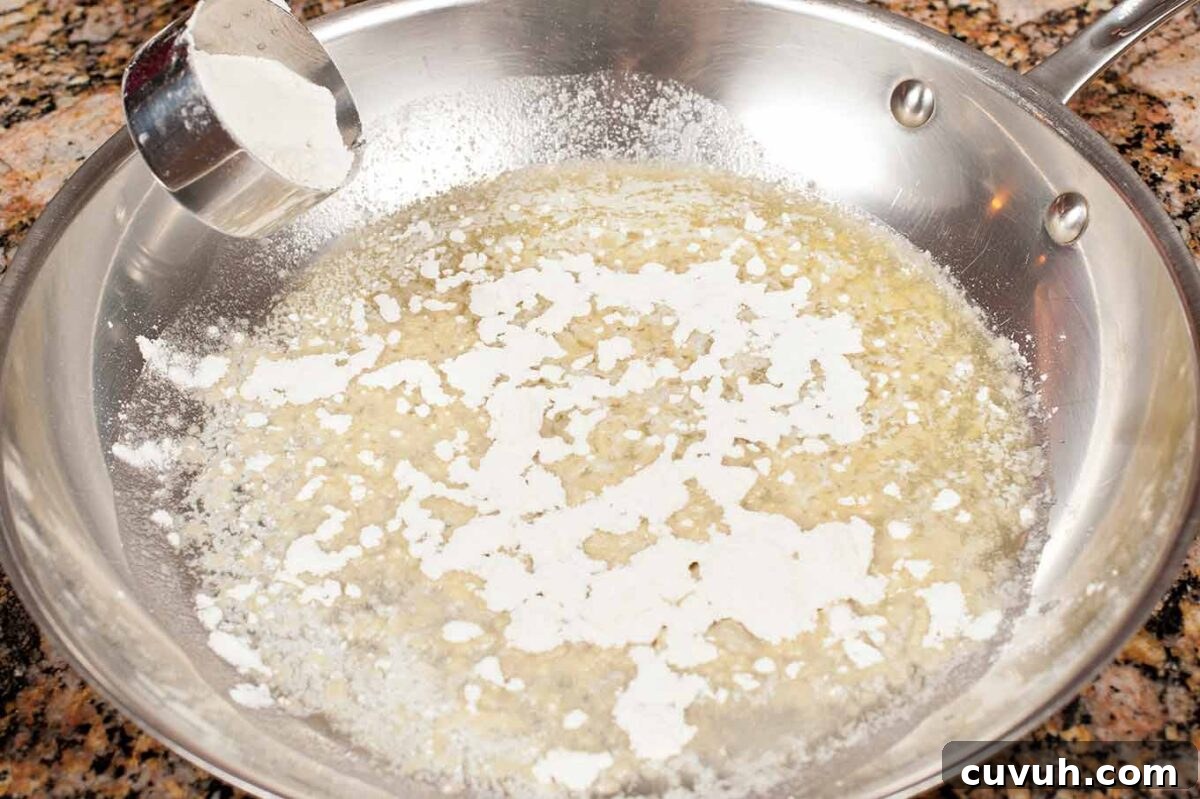
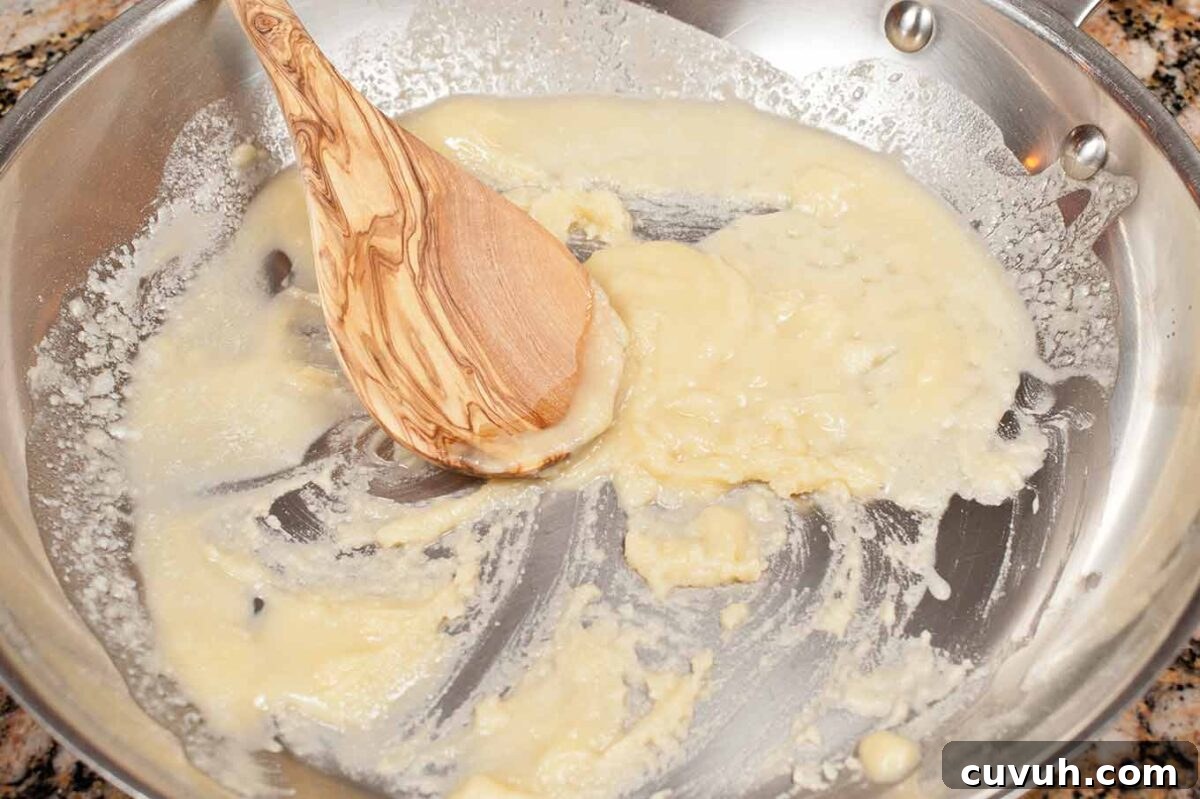
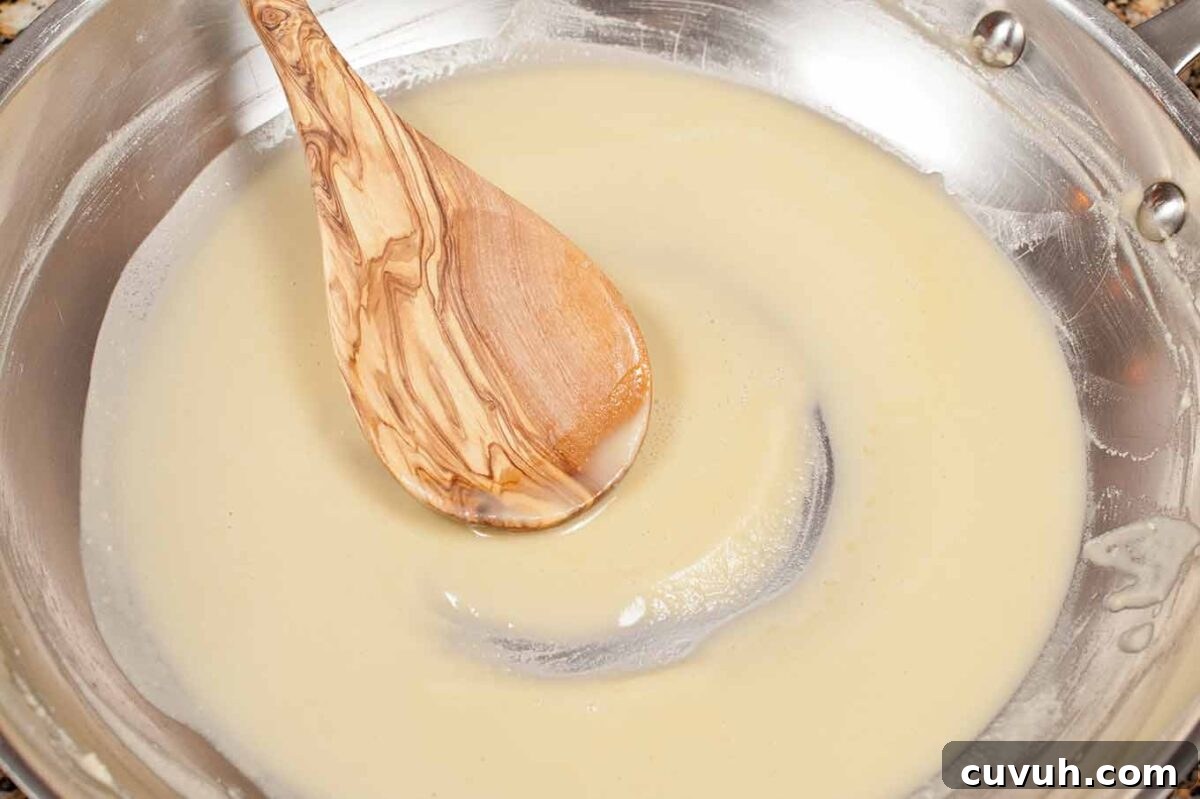
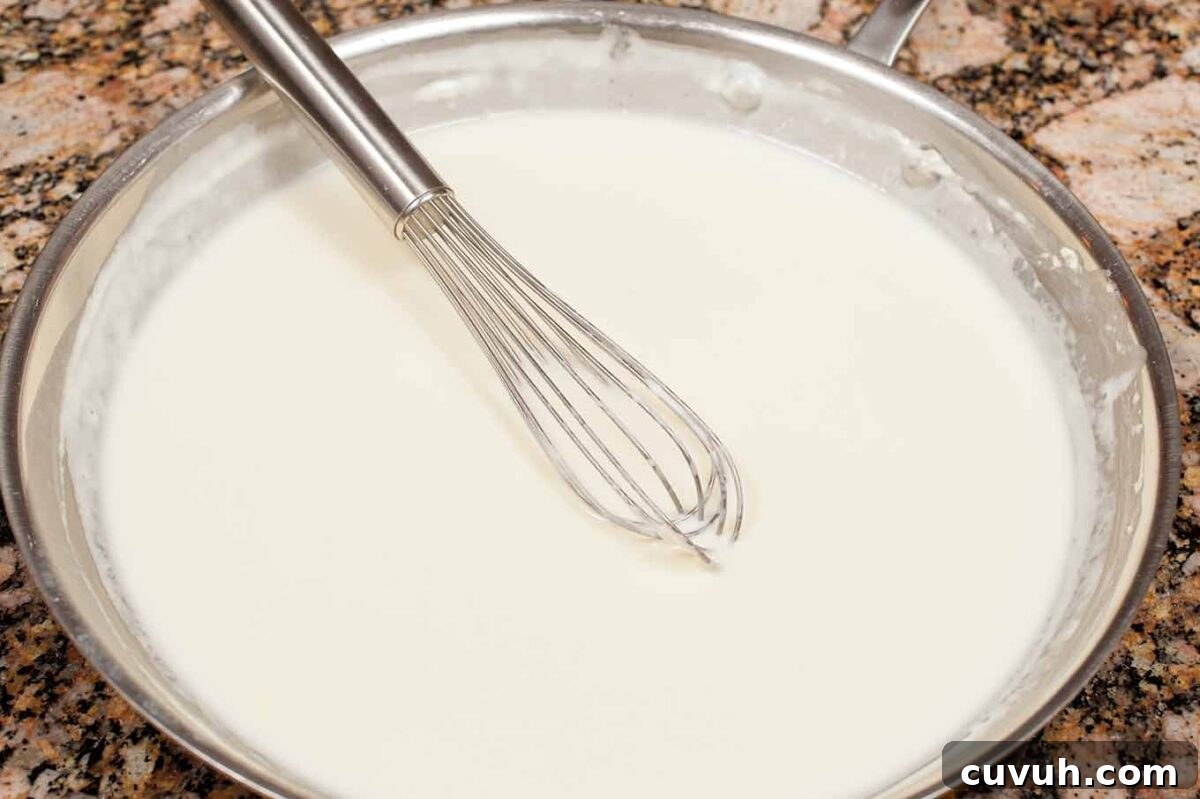
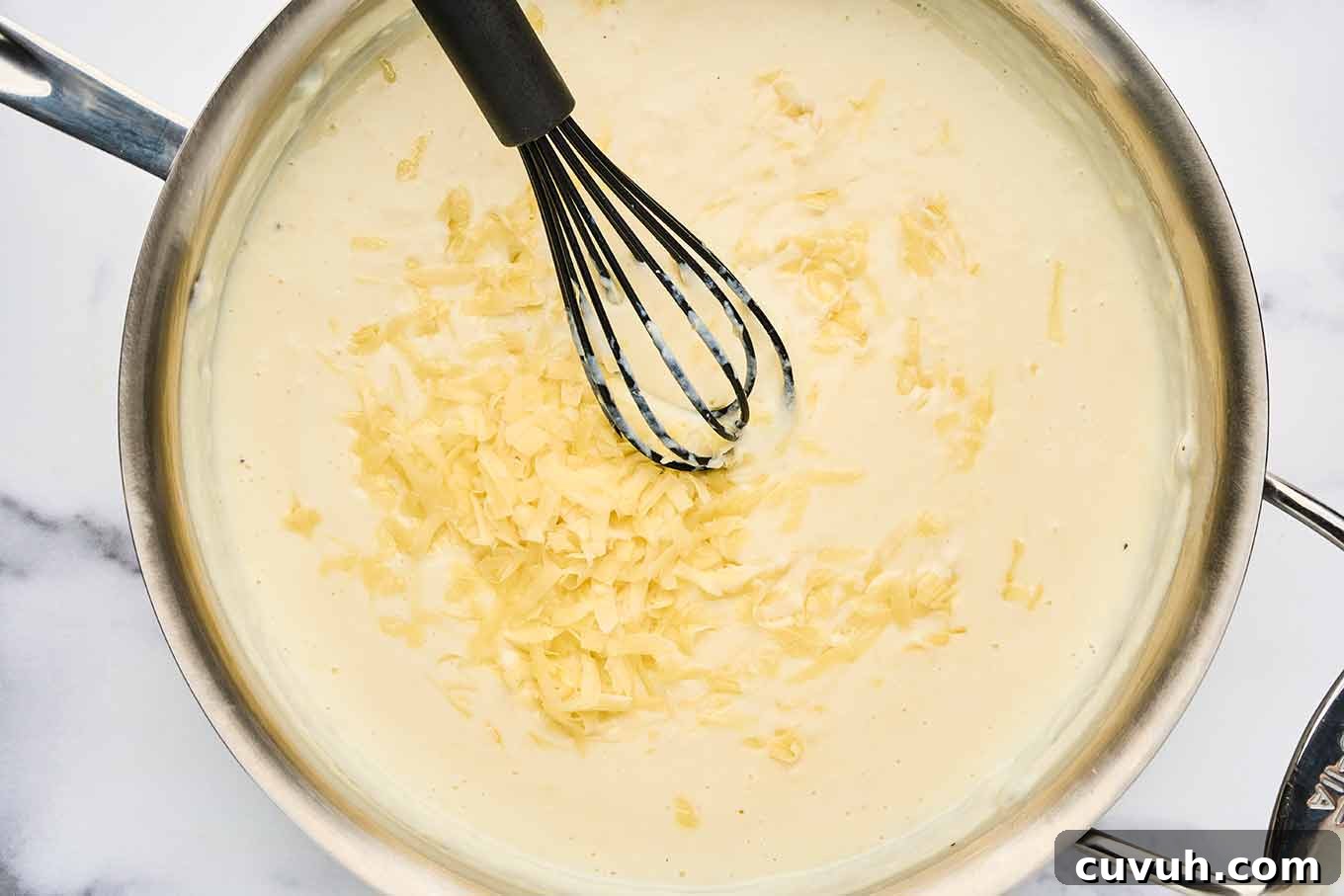
Cook the roux until it’s fragrant and pale gold, then whisk in warmed milk until the sauce coats the back of a spoon. At that point, fold in the cheese to make a Mornay-style sauce—smooth, glossy, and ready to envelop the pasta.
The Basic Macaroni and Cheese Formula
This simple formula works for both stovetop and baked versions and adapts easily to different cheeses, toppings, and add-ins.
Ingredients
- 3/4 pound pasta
- 4 tablespoons unsalted butter
- 4 tablespoons all-purpose flour
- 3 3/4 cups whole milk
- 12 to 14 ounces cheese (use up to four varieties)
Method
- Cook the pasta until al dente, then drain and set aside.
- Make a roux by cooking the butter and flour together briefly.
- Whisk in warmed milk and cook until the sauce is smooth and thick enough to coat the back of a spoon.
- Stir in the grated cheese gradually over low heat until the sauce is silky.
- Toss in the pasta and any additional ingredients or mix-ins.
- Serve immediately for stovetop mac and cheese, or transfer to a baking dish, top as desired, and bake until bubbly and lightly browned.
Tips for Smooth, Creamy Mac and Cheese
- Cook pasta just to al dente, especially for baked versions so it doesn’t become mushy in the oven.
- Warm the milk before adding it to the roux to avoid lumps and promote a velvety texture.
- Grate cheese just before using for the best melt and mouthfeel.
- Add cheese gradually over low heat to prevent the sauce from separating.
- Let baked mac and cheese rest briefly before serving so the sauce can settle and thicken slightly.
Stovetop Mac and Cheese Recipes
Stovetop mac and cheese remains softer and very creamy since it skips the oven. This approach pairs well with softer, tangier cheeses like mascarpone, Brie, cottage cheese, and fresh mozzarella.
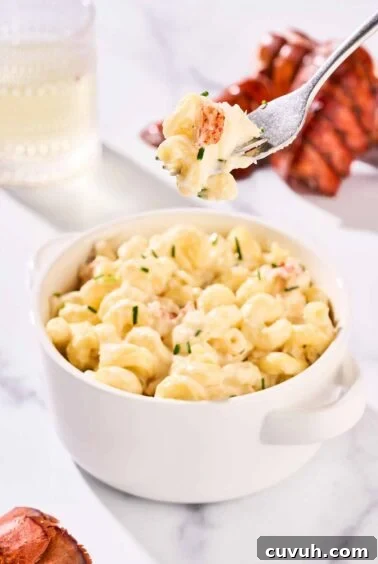
Creamy Stovetop Lobster Mac and Cheese
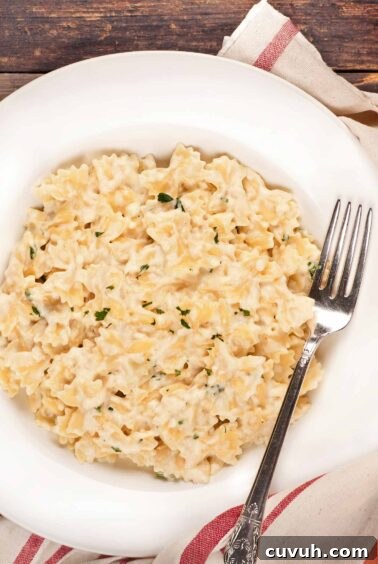
Cottage Cheese Macaroni and Cheese with Fontina
Baked Macaroni and Cheese Recipes
Baked mac and cheese yields a firmer texture and often features a crunchy breadcrumb topping for contrast. Cheeses such as Fontina, Gruyère, Gouda, and cheddar stand up well in the oven and create a flavorful, cohesive casserole.
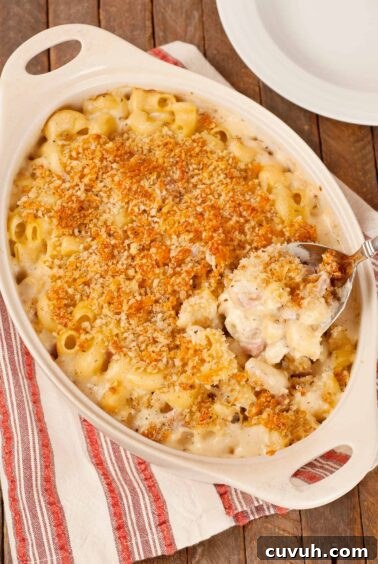
French Macaroni and Cheese with Ham
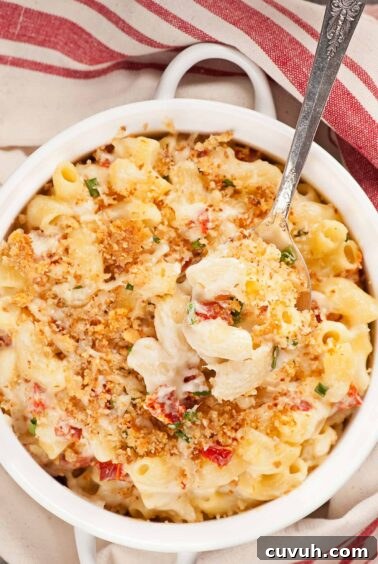
Goat Cheese Mac and Cheese with Sun-Dried Tomatoes
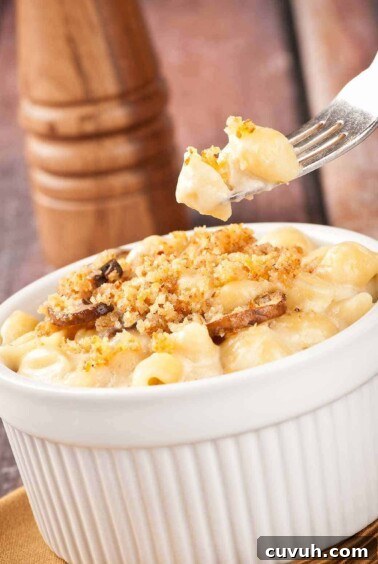
Baked Truffle Mac and Cheese
Once you’ve mastered the basic formula, macaroni and cheese becomes highly adaptable. Whether you favor a silky stovetop version or a crisp-topped bake, experimenting with cheeses, pasta shapes, and mix-ins lets you create the perfect mac for any occasion.