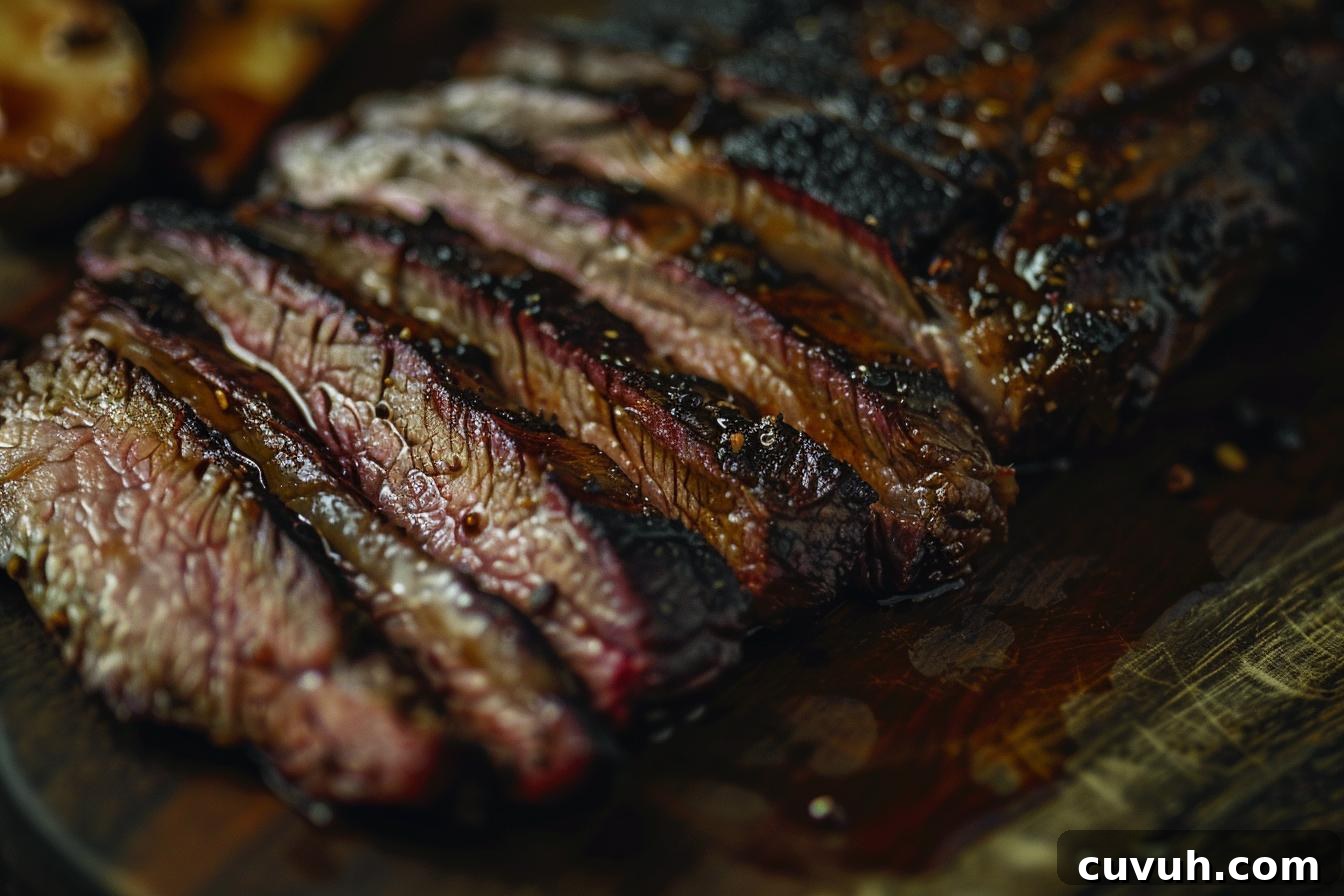
The aroma of smoked meat drifting across the backyard has a way of drawing everyone outside. That first time I smoked a tri-tip on a Green Mountain Grill changed how I cook for good. It was simple, satisfying, and produced a smoky, tender roast that became an instant favorite.
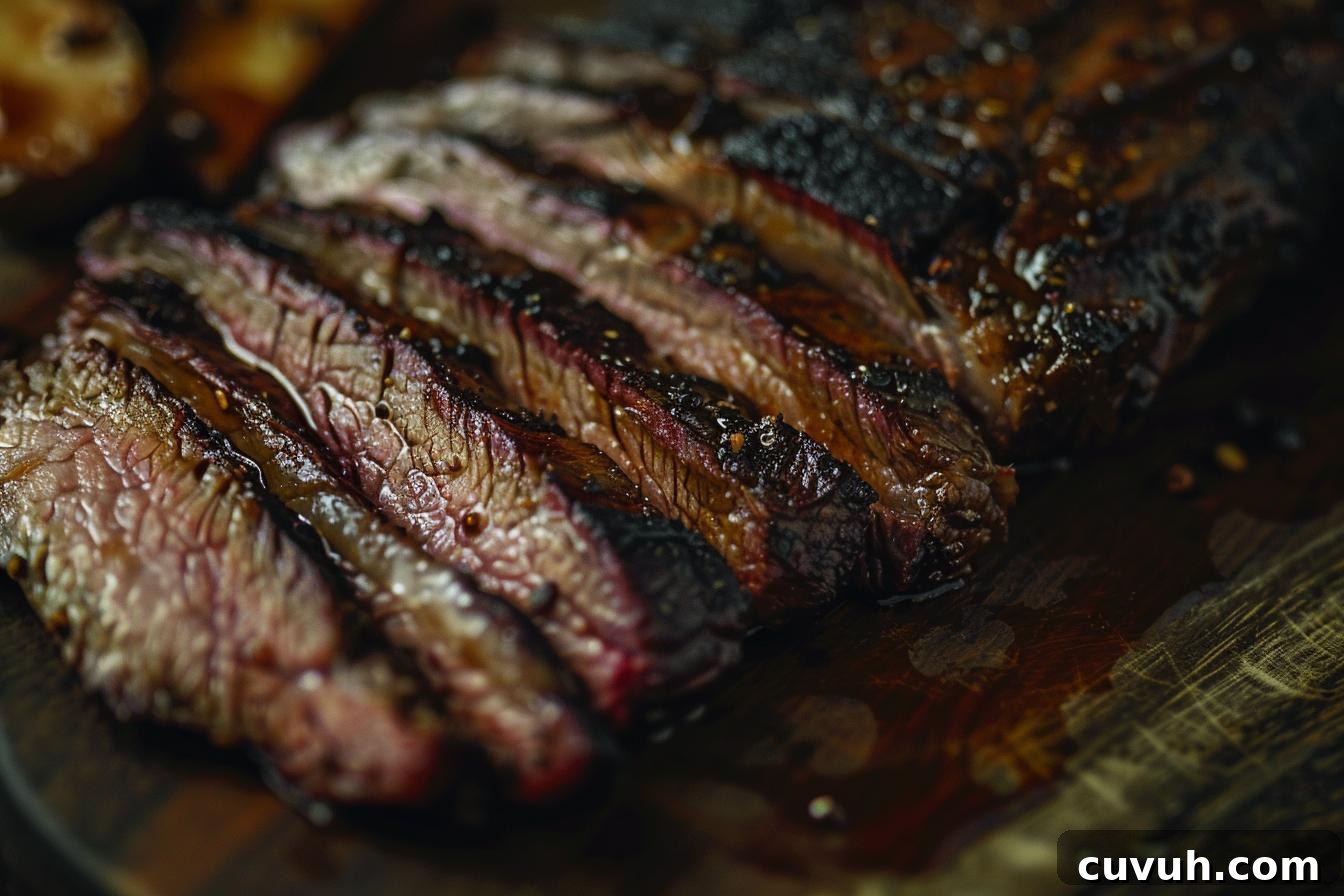
My friend Tom had a Green Mountain Grill and insisted I try it. I borrowed it, picked up a well-marbled tri-tip, and went to work. The results were impressive: a flavorful bark, a delicate smoke ring, and juicy beef inside. Below is a clear, practical guide to smoking tri-tip on that grill, plus tips for wood choice, serving suggestions, and uses for leftovers.
How To Make Smoked Tri Tip On A Green Mountain Grill
Start with a quality tri-tip. Good marbling will make a big difference. The following steps outline a straightforward method you can follow whether you’re new to pellet grilling or experienced with low-and-slow smoking.
- Prep the Meat: Trim any excess fat and pat the roast dry. Coat the tri-tip with a light layer of olive oil, then rub with your preferred seasoning—kosher salt, black pepper, garlic powder, onion powder, smoked paprika, and a bit of dried thyme work very well. For a sweeter or more complex rub, add brown sugar, chili powder, and cumin. Let the seasoned meat rest for about 30 minutes at room temperature or refrigerate for 2–4 hours to marinate for deeper flavor.
- Preheat the Grill: Set the Green Mountain Grill to 225°F. Low, steady heat produces even smoke penetration and a tender result.
- Smoke It: Place the tri-tip directly on the grill grates. Close the lid and smoke for approximately 2–3 hours, depending on the size of the roast. Monitor the internal temperature with a reliable thermometer; aim for roughly 135°F for medium-rare. Increase the target temperature slightly if you prefer medium.
- Rest the Meat: Remove the tri-tip when it reaches the target temp and wrap it loosely in aluminum foil. Rest for about 15 minutes so the juices redistribute—this is essential for a moist final product.
- Slice and Serve: Slice against the grain to maximize tenderness. Cutting across the muscle fibers yields the most tender, easy-to-chew slices.
What Type of Wood/Pellets to Use?
Pellet choice affects the flavor profile. Hickory and mesquite deliver bold, classic beef flavors that pair well with tri-tip. Fruitwoods such as apple or cherry provide a milder, sweeter smoke that complements the beef without overpowering it. Try different pellets to discover the profile you prefer.
Additional Tips
Keep It Moist
Tri-tip is a relatively lean cut, so occasional basting helps. Use a splash of beef broth or apple juice every hour to maintain moisture and add subtle flavor.
Don’t Peek!
Avoid opening the lid too often. Each time the grill is opened, heat and smoke escape, extending cooking time and reducing smoke concentration. Trust the grill and check only when necessary.
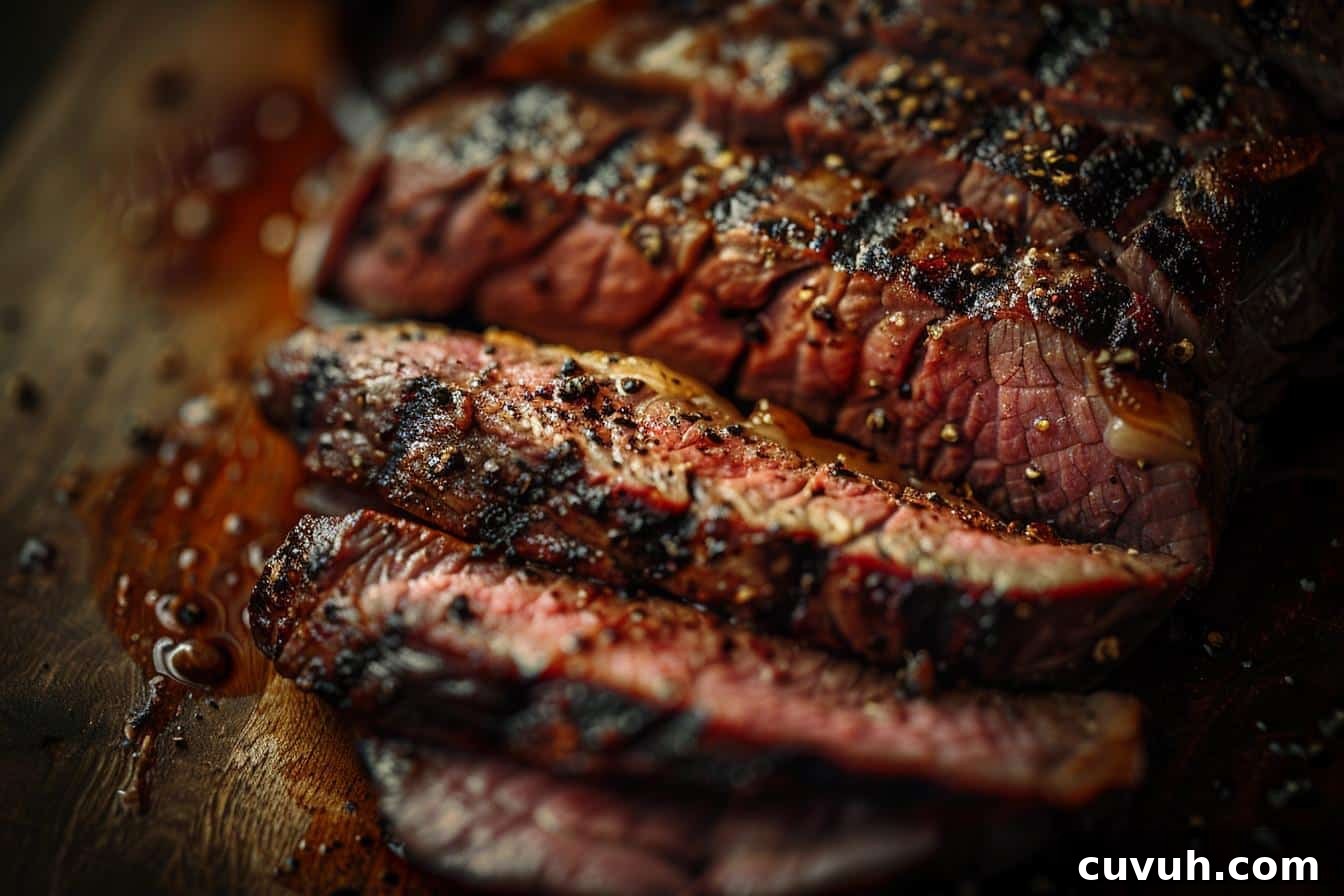
What to Serve
Smoked tri-tip pairs well with classic, straightforward sides. Try these combinations:
- Garlic Mashed Potatoes: Rich and creamy—an ideal balance to the smoky meat.
- Grilled Vegetables: Bell peppers, zucchini, and onions brushed with olive oil and seasoned simply.
- Coleslaw: A tangy, crunchy slaw helps cut the richness of the beef.
What to Do with Leftovers
Leftover smoked tri-tip transforms easily into other meals. A few ideas:
Tri-Tip Sandwiches
Thinly slice leftovers and serve on a crusty roll with horseradish sauce and caramelized onions for a hearty sandwich.
Tri-Tip Tacos
Warm tortillas, sliced meat, avocado, cilantro, and a squeeze of lime make quick, flavorful tacos.
Beef and Veggie Stir-Fry
Slice the tri-tip thin, toss with stir-fried vegetables and a splash of soy sauce, and serve over rice for a fast, satisfying meal.
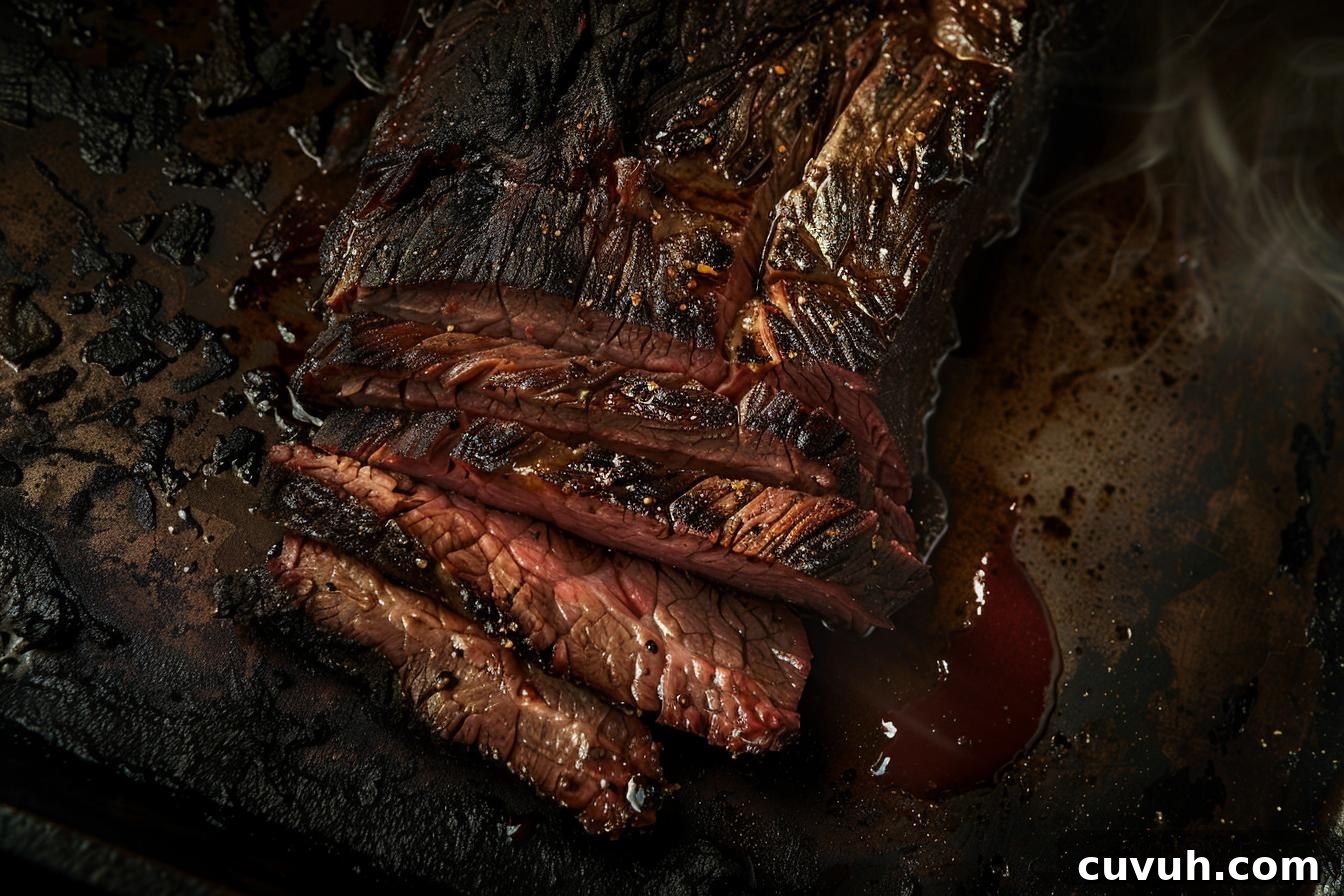
Smoking tri-tip on a Green Mountain Grill is approachable and rewarding. With a good cut of meat, a sensible rub, the right pellet choice, and patience, you’ll get impressive results—tender, juicy slices with a pleasant smoky finish. Next time you fire up the grill for a backyard gathering, try this method and enjoy the compliments.
OTHER RECIPES YOU’LL LOVE
-
- Green Mountain Grill Pulled Pork
- Green Mountain Grill Pork Loin
- Green Mountain Grill Chicken Thighs
- Green Mountain Grill Ribs
- Green Mountain Grill Smoked Prime Rib
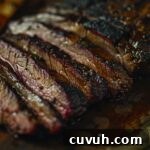
Green Mountain Grill Tri Tip
Ingredients
For the Tri-Tip
- 1 tri-tip roast about 2-3 pounds
- 2 tablespoons olive oil
- 2 teaspoons kosher salt
- 1 teaspoon black pepper
- 1 teaspoon garlic powder
- 1 teaspoon onion powder
- 1 teaspoon smoked paprika
- 1 teaspoon dried thyme
For the Rub (optional)
- 1 tablespoon brown sugar
- 1 teaspoon chili powder
- 1 teaspoon cumin
Instructions
Preparation
-
Trim any excess fat from the tri-tip roast. Pat it dry with paper towels to ensure a good sear later on.
-
In a small bowl, combine kosher salt, black pepper, garlic powder, onion powder, smoked paprika, and dried thyme. If using the optional rub ingredients, mix brown sugar, chili powder, and cumin in a separate bowl.
-
Rub the tri-tip with olive oil to help the spices stick. Then, generously coat the meat with the spice mixture. For added flavor, apply the optional rub mixture as well.
-
Place the seasoned tri-tip in a zip-lock bag or a covered dish and let it marinate in the refrigerator for 2-4 hours. This step is optional but will enhance the flavor.
Smoking
-
Fire up your Green Mountain Grill to 225°F. Choose hickory or mesquite wood pellets for a robust smoky flavor, or use apple or cherry for a milder, sweeter smoke.
-
Place the tri-tip directly on the grill grates. Close the lid and smoke for 2-3 hours, or until the internal temperature reaches 135°F for medium-rare. Use a meat thermometer to check the temperature.
-
Every hour, baste the tri-tip with beef broth or apple juice to keep it moist and add extra flavor.
Resting and Slicing
-
Once the tri-tip reaches the desired temperature, remove it from the grill and wrap it loosely in aluminum foil. Let it rest for 15 minutes to allow the juices to redistribute.
-
Place the rested tri-tip on a cutting board and slice against the grain for maximum tenderness. This means cutting across the muscle fibers rather than parallel to them.