A few months ago, Matty and I bought a one-pound bag of dried fava beans. Like most legumes, favas are high in protein and fiber and low in fat, sugar, and sodium unless you add them. They also provide valuable vitamins and minerals, particularly folate, manganese, copper, phosphorus, magnesium, and iron.
The package instructions claimed the beans didn’t need soaking and only required “cook until soft.” After a little searching online, most recipes we found were for fresh favas, and clear guidance for dried beans was sparse.
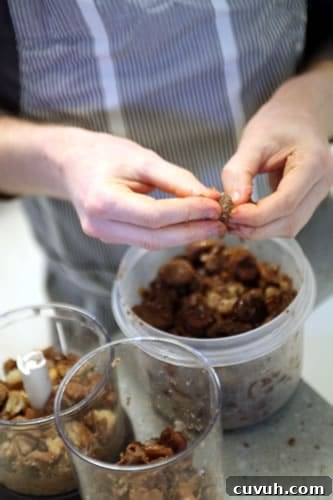
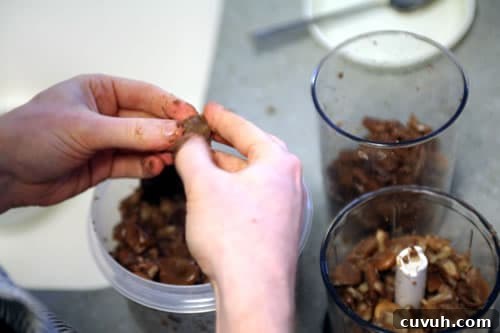
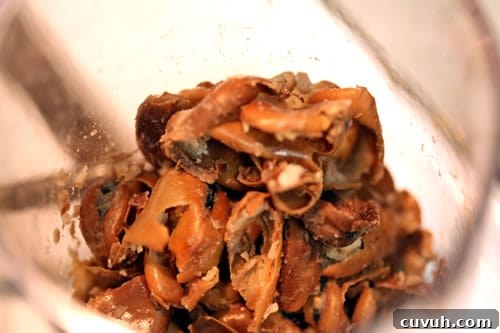
We learned the hard way that boiling dried favas right from the bag takes a very long time—around three hours to reach a tender interior. The main issue, however, is the tough outer shell. Even after prolonged boiling, the shell didn’t loosen sufficiently. To access the soft inner bean, Matty had to peel each one by hand while I took photos. It was tedious and messy.
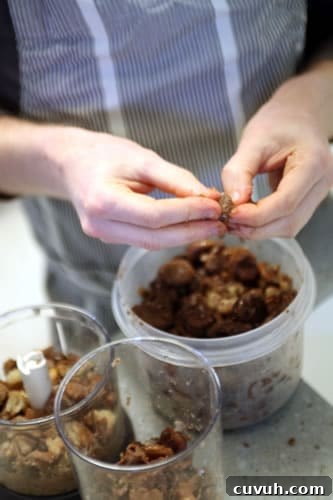
A better approach is to soak dried fava beans overnight before cooking. Soaking softens the outer shell, making it much easier to remove, though you still need to peel each bean individually. After peeling, the beans require only about an hour of simmering to become fully tender.
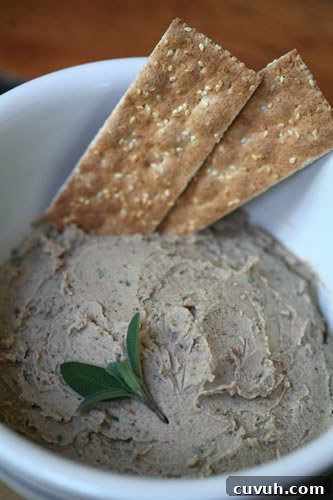
Despite the extra work, our rosemary fava bean pâté was delicious. For the full recipe and Matty’s detailed account of working with favas, please refer to his original write-up.