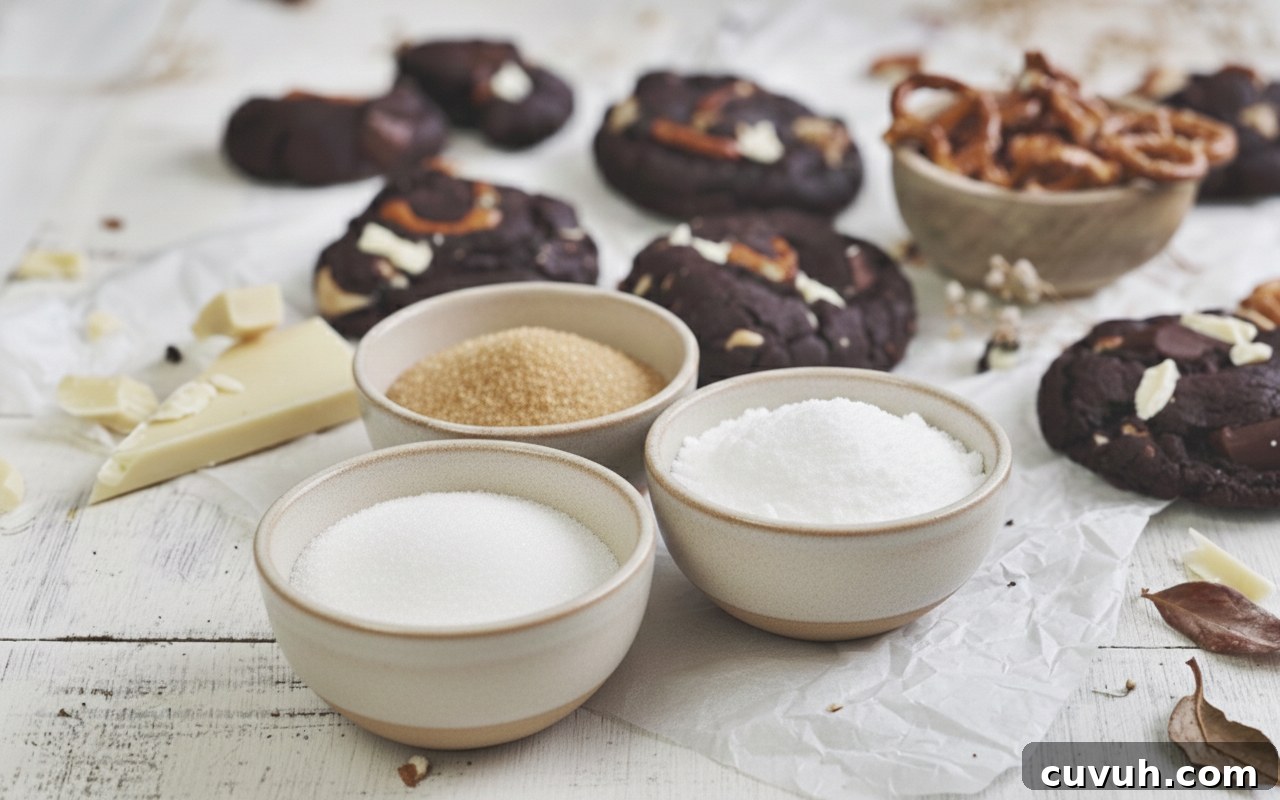
In the kitchen, sugar is more than simply a sweetener. It affects texture, moisture and structure—keeping cakes tender, helping cookies develop the right crunch, and creating light, airy crumbs when creamed with butter. Picking the right type of sugar gives you control over the finished texture of your bakes.
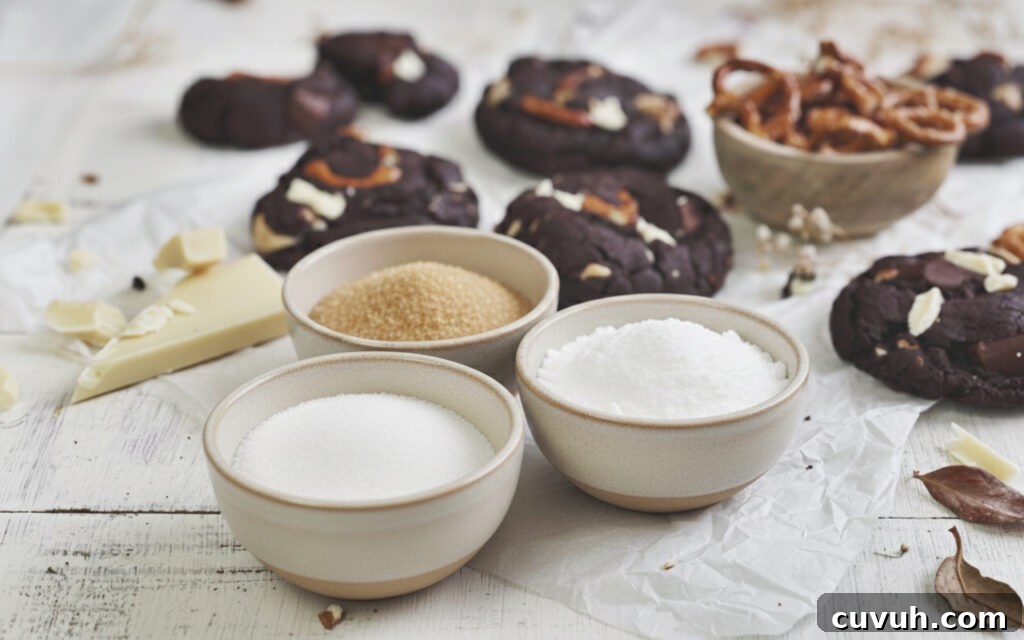
The Pantry Lineup
Not all sugars behave the same. Crystal size and the amount of molasses they contain change how they perform in recipes.
- Caster Sugar: A top choice for baking. The fine grains dissolve quickly when creamed with butter, producing a finer crumb and a professional texture.
- Brown Sugars (Light, Dark, Muscovado): These retain molasses, which adds moisture and a toffee-like flavor. Use them when you want chewiness in cookies or a fudgy cake crumb.
- Icing Sugar: Finely ground into a powder, it dissolves instantly—ideal for silky buttercreams, smooth glazes, or a delicate dusting over pastries.
Quick Tip: If you need caster sugar but only have granulated, pulse the granulated sugar briefly in a blender to create a finer texture.
Sugar Substitutes
If you don’t have the exact sugar a recipe requests, these substitutions will usually work well.
| If you need… | And you only have… | The Substitute |
| Caster Sugar | Granulated Sugar | Pulse granulated sugar in a blender until finer but not powdered. |
| Brown Sugar | White Sugar | Mix 1 cup white sugar with 1 tbsp molasses (or treacle) and rub together until evenly combined. |
| Icing Sugar | Granulated Sugar | Blend 1 cup granulated sugar with 1 tsp cornflour on high until it becomes a fine powder. |
Sugar FAQs
Q. Why did my brown sugar turn into a rock?
A. Brown sugar hardens as it loses moisture. Store it in an airtight container to prevent this. If it’s already hardened, placing a slice of fresh bread in the container for a few hours will help the sugar reabsorb moisture and soften.
Q. Can I just use less sugar to be healthier?
A. Reducing sugar affects texture because sugar melts during baking and contributes liquid and tenderness. Cutting too much can leave cakes dry or tough since there’s less liquid to keep the crumb soft. Make adjustments with care and consider compensating with additional fat or liquid if reducing sugar significantly.
Q. What is ‘creaming’ exactly?
A. Creaming is the technique of beating sugar into butter so the fine crystals become distributed throughout the fat. Those crystals trap tiny air pockets that expand in the oven, producing a light, tender cake. This step is key to good texture and is covered in many basic baking guides.