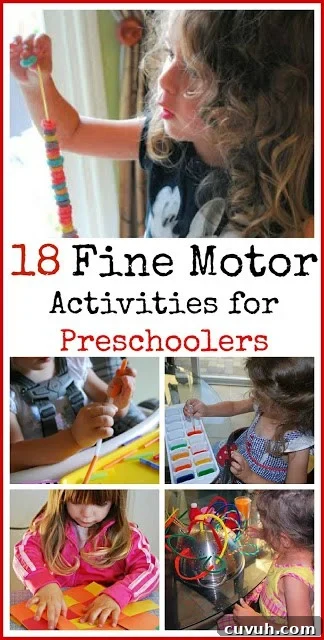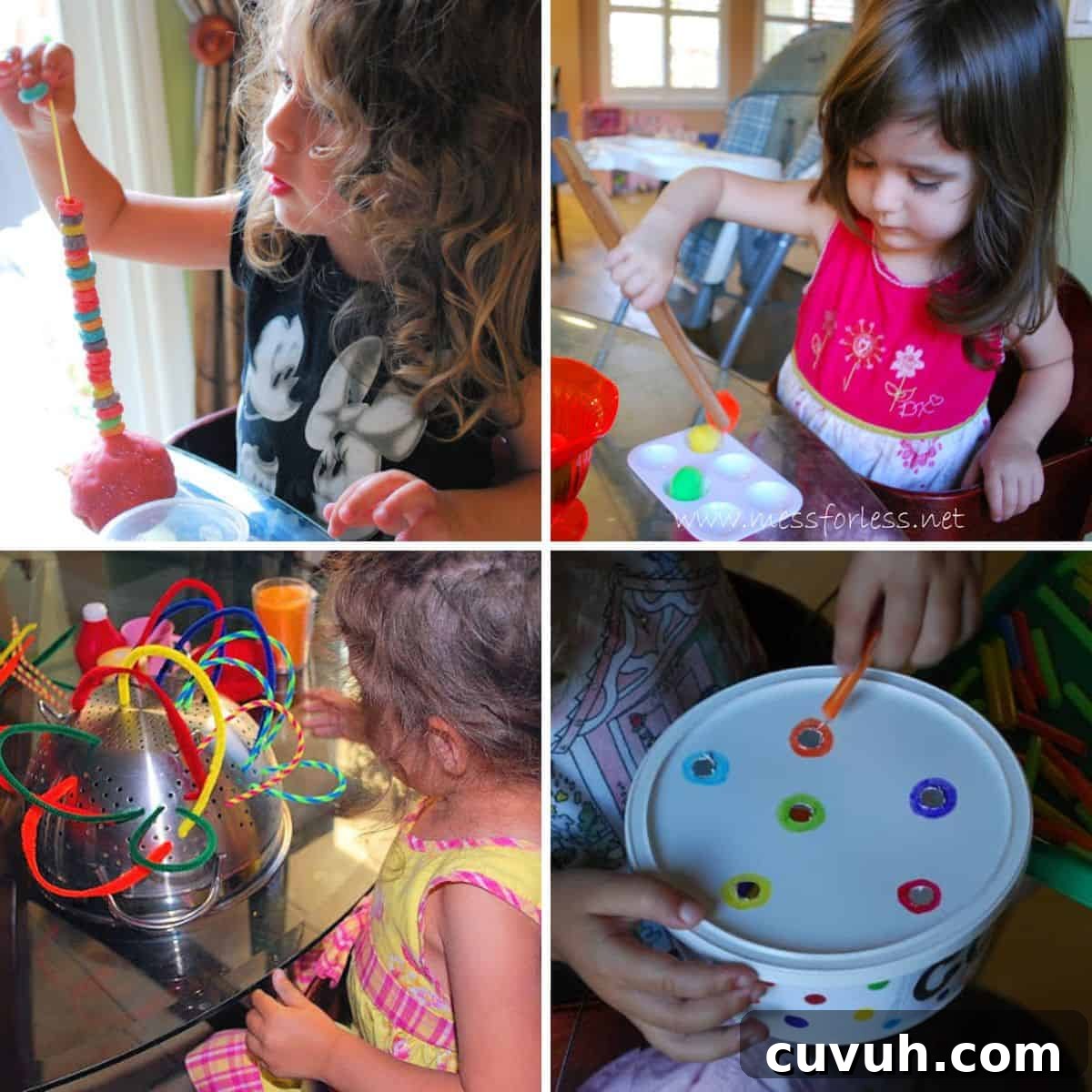
Activities for fine motor skills are essential for preschoolers. Strengthening the small muscles in the hands helps children learn to hold a pencil, use scissors, manipulate fasteners, and manage everyday tasks like zipping a jacket. These Fine Motor Activities for Preschoolers are simple, affordable, and designed to build coordination through playful practice.
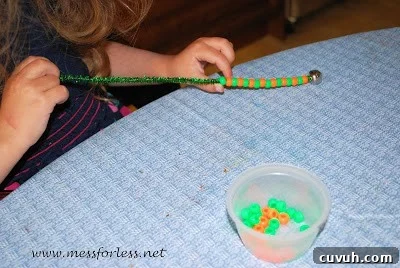
Most activities use common household items and encourage learning through hands-on play. From using tweezers to pick up small objects to threading beads to practice a pincer grasp, these ideas show that fine motor practice can be fun, engaging, and easy to set up.
Why Are Fine Motor Skills Important?
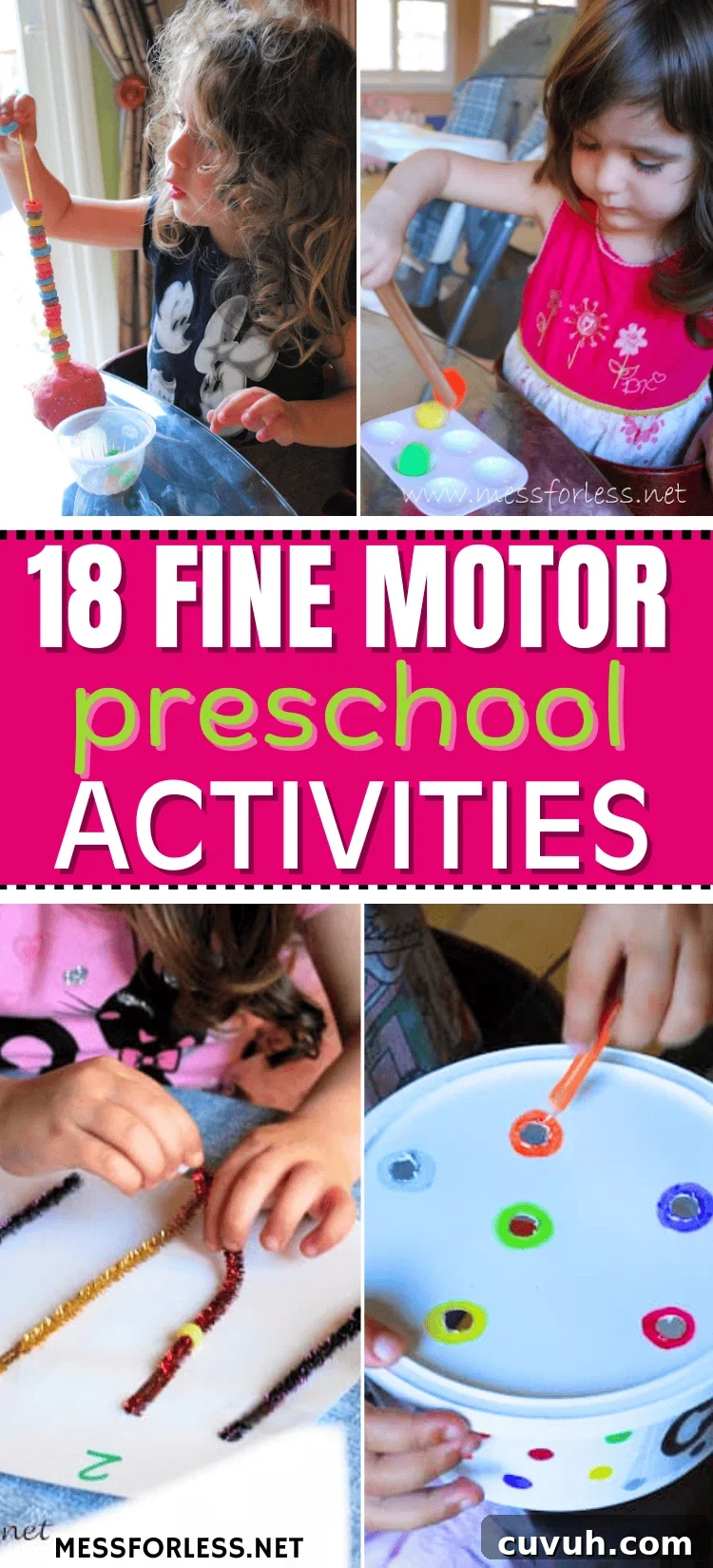
Fine motor skills affect many everyday tasks: feeding, buttoning clothes, cutting with scissors, and writing. As children grow, expectations increase for independence and fine motor control. Strong hand muscles and coordination make drawing, handwriting, and self-care tasks easier.
Teachers and caregivers often notice significant progress when kids get regular hands-on practice. Simple, playful activities can support a child who needs extra practice or simply help them refine their coordination.
Helpful Items for Practicing Fine Motor Skills
- Stickers – peeling stickers strengthens the pincer grasp.
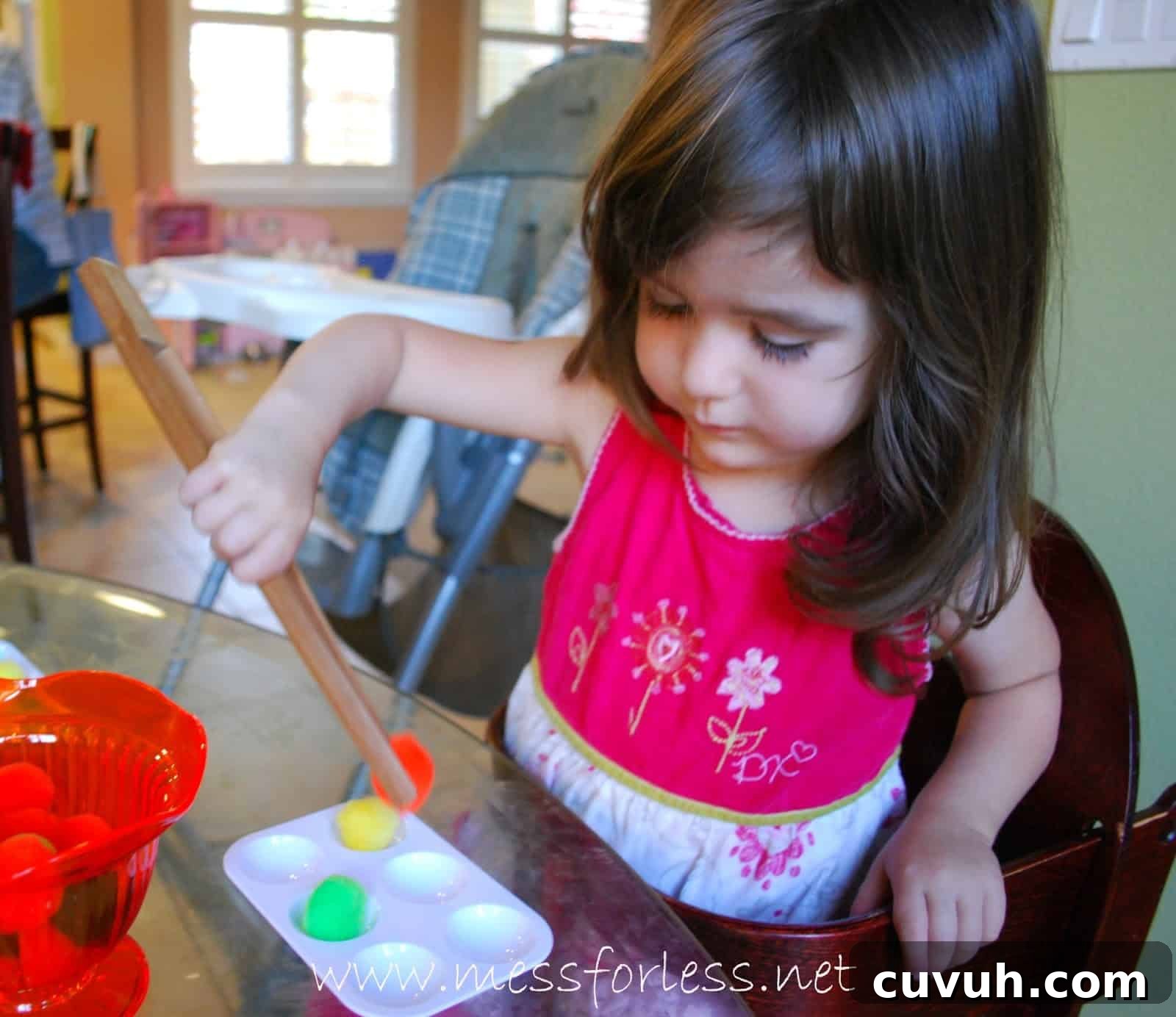
- Tweezers or child-friendly tongs – great for pinching and picking up small items.
- Pipettes or droppers – practice squeezing and releasing liquid into cups.
- Ice cube trays – useful for sorting and separating small objects.
- Lego and building toys – pulling apart and assembling pieces works hand muscles.
- Lacing cards – portable and perfect for travel or quiet times.
- Paper clips – attaching and removing clips supports finger strength and coordination.
Tips for Fine Motor Activities for 3–4 Year Olds
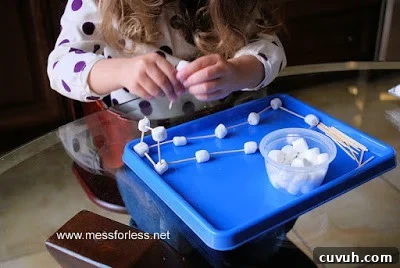
Tip 1: Use everyday items like clothespins, pasta, or buttons for quick, effective practice. You likely already have useful materials at home.
Tip 2: Integrate practice into daily routines. Encourage children to button clothes, zip jackets, or stir while cooking to develop coordination naturally.
Tip 3: Offer choices. Letting children pick activities—threading beads, squeezing a dropper, or pressing play dough—promotes independence and keeps them engaged.
FAQs for Preschool Fine Motor Activities
Short, regular sessions a few times a week work well. Daily small moments—coloring, zipping a coat, or picking up small objects—help build skills more than occasional long sessions.
If a child consistently struggles with holding a crayon, stacking blocks, or using utensils, consult a pediatrician or specialist. Development varies, but persistent difficulty may need extra attention.
Yes. Building hand strength and coordination supports pencil grip and control. Activities like threading beads, using tweezers, and drawing all help prepare children for handwriting.
18 Fine Motor Activities for Preschoolers
These 18 activities are easy to set up, use inexpensive materials, and make fine motor practice feel like play. They are excellent for preschoolers learning the hand control needed for school and everyday life. Please supervise children during all activities.
Click for activity
Click for activity
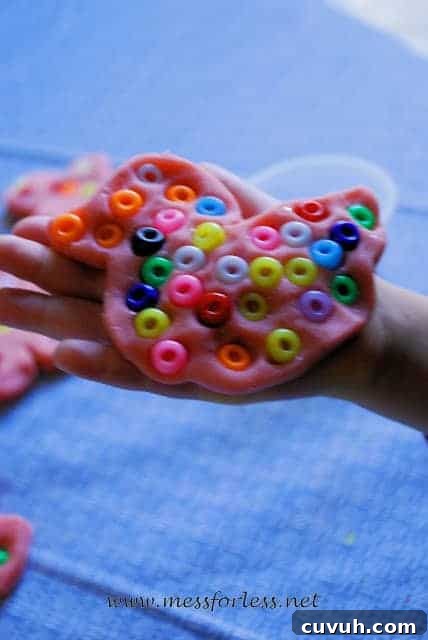
Click for activity
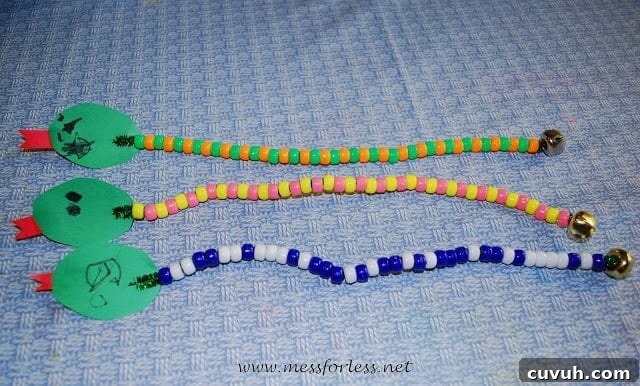
Click for activity
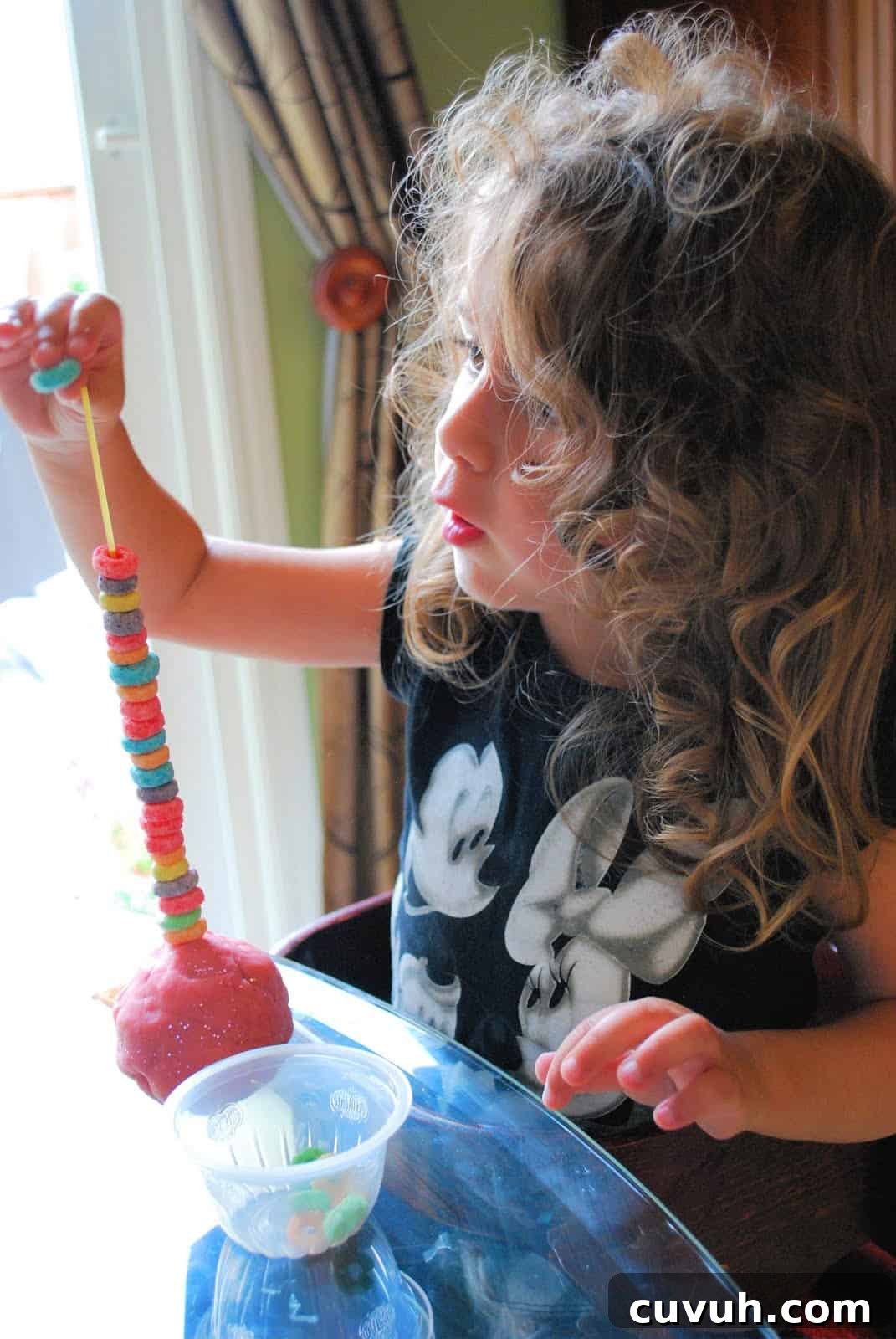
Click for activity
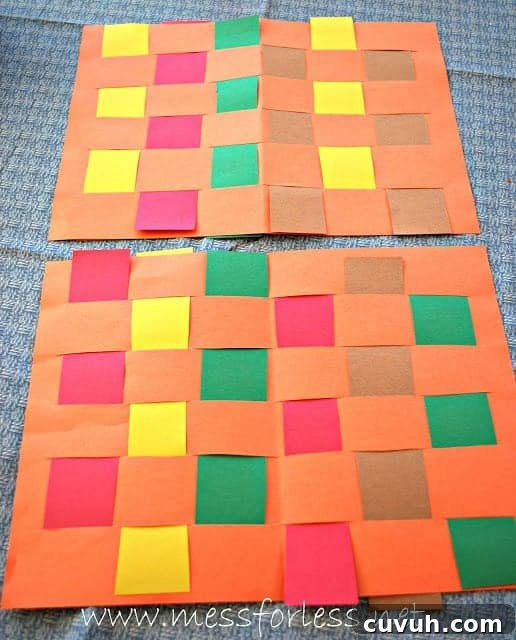
Click for activity
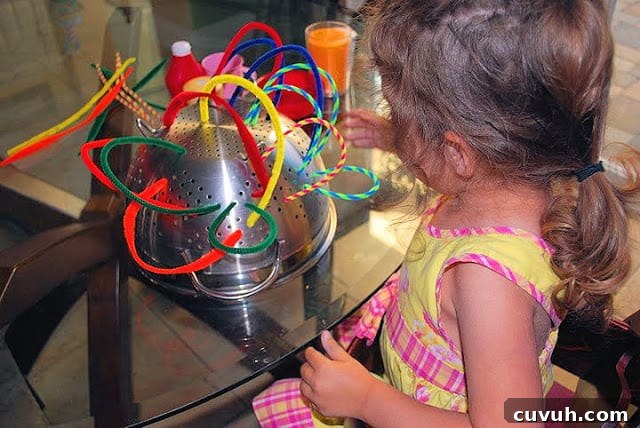
Click for activity
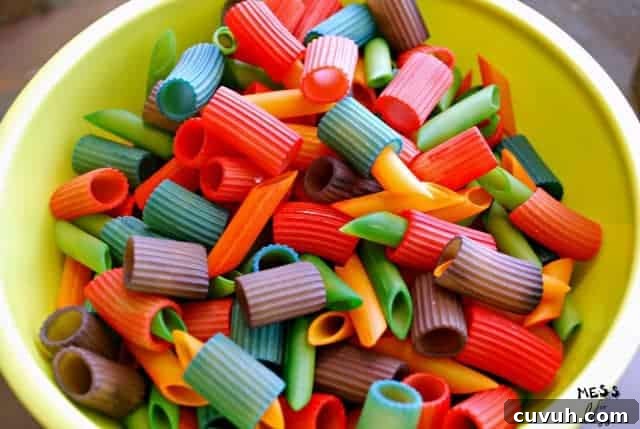
Click for activity
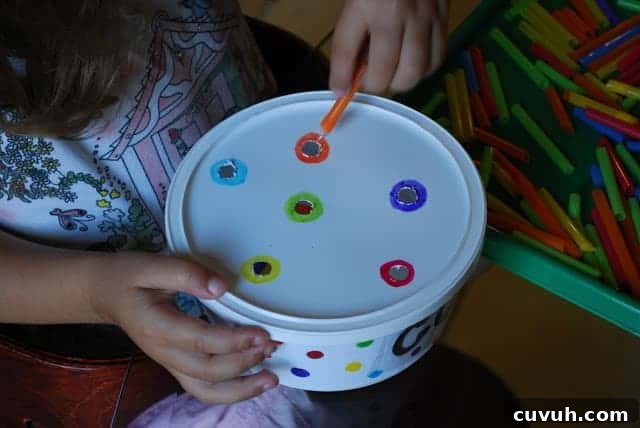
Click for activity
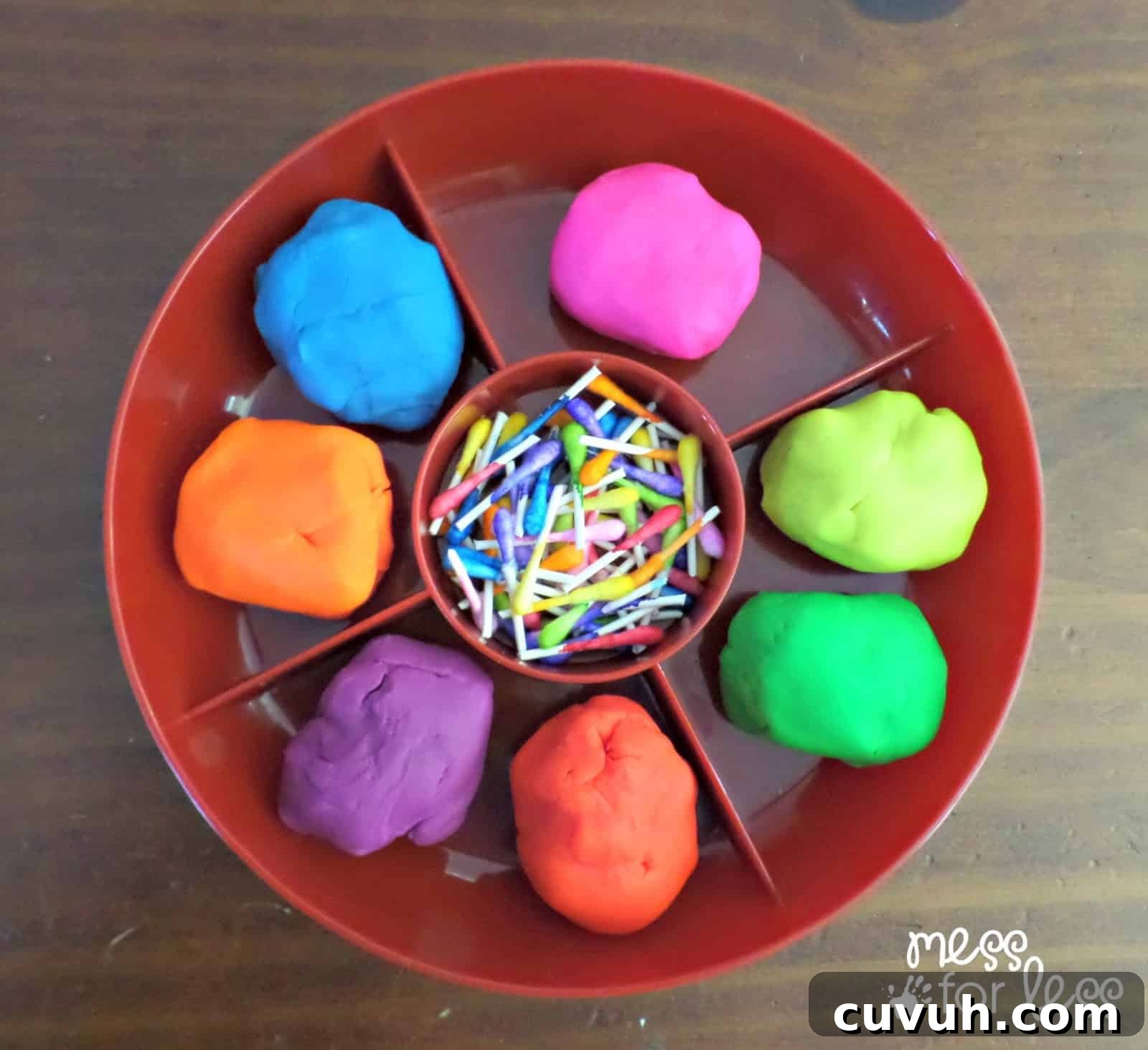
Click for activity
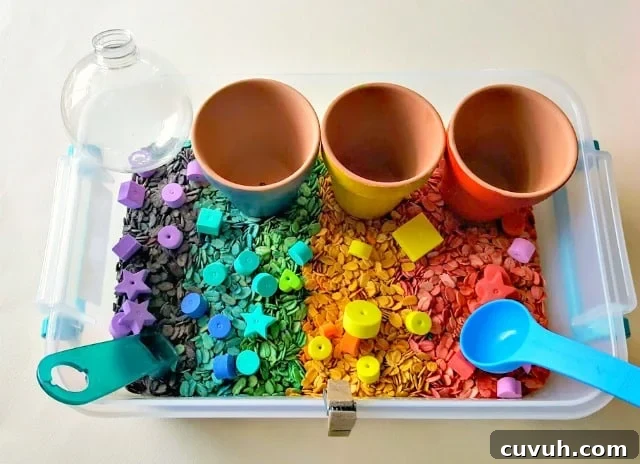
Click for activity
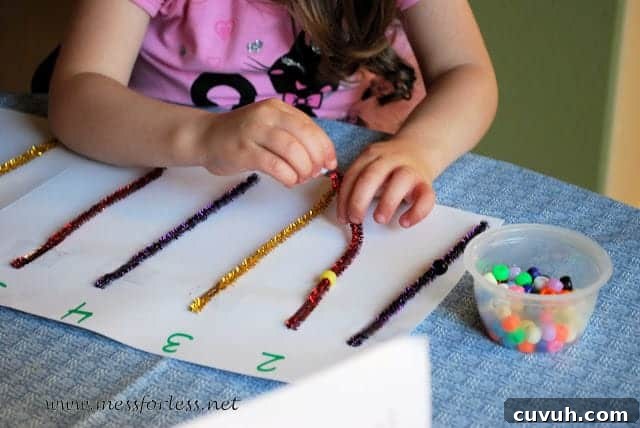
Click for activity

Click for activity
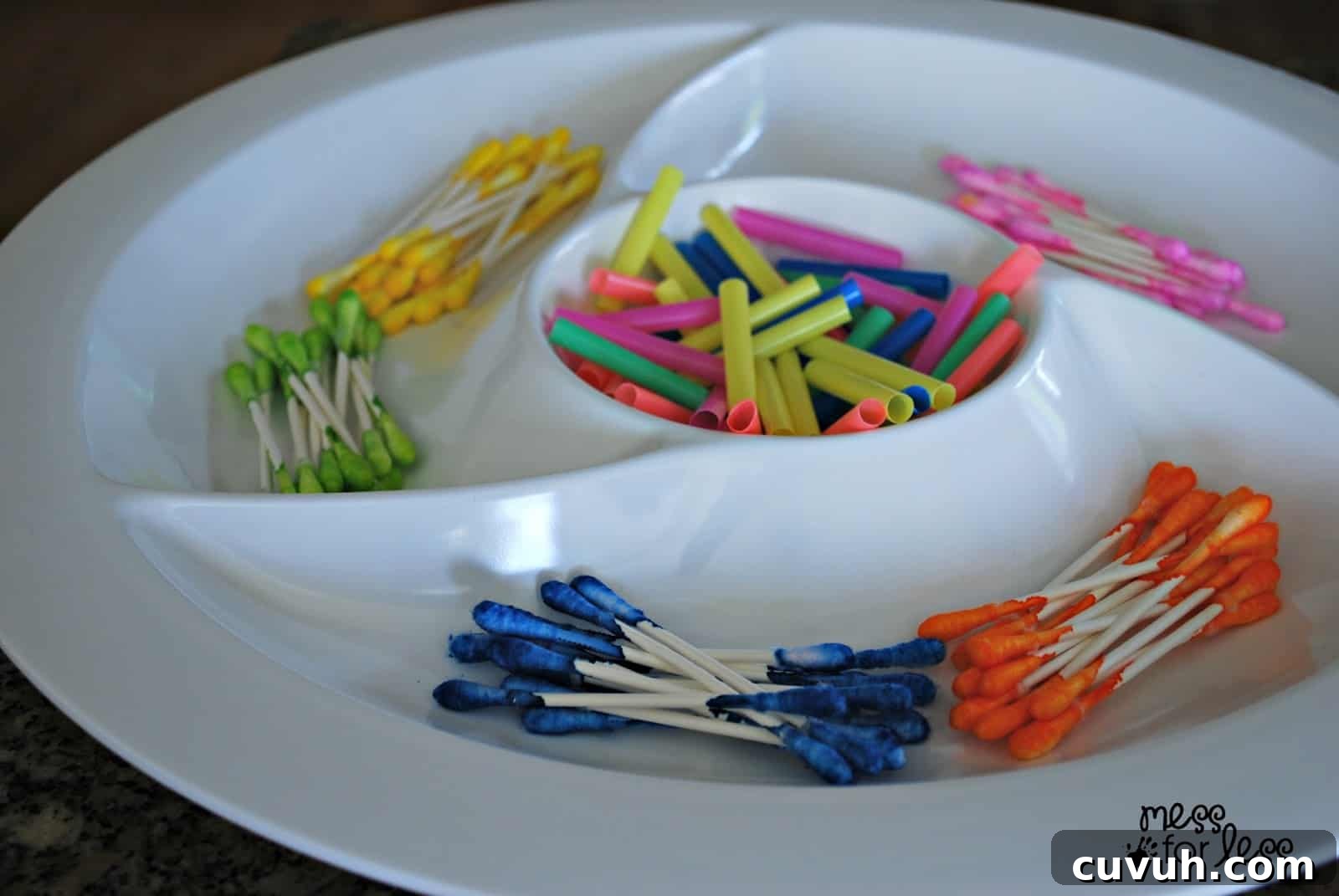
Click for activity
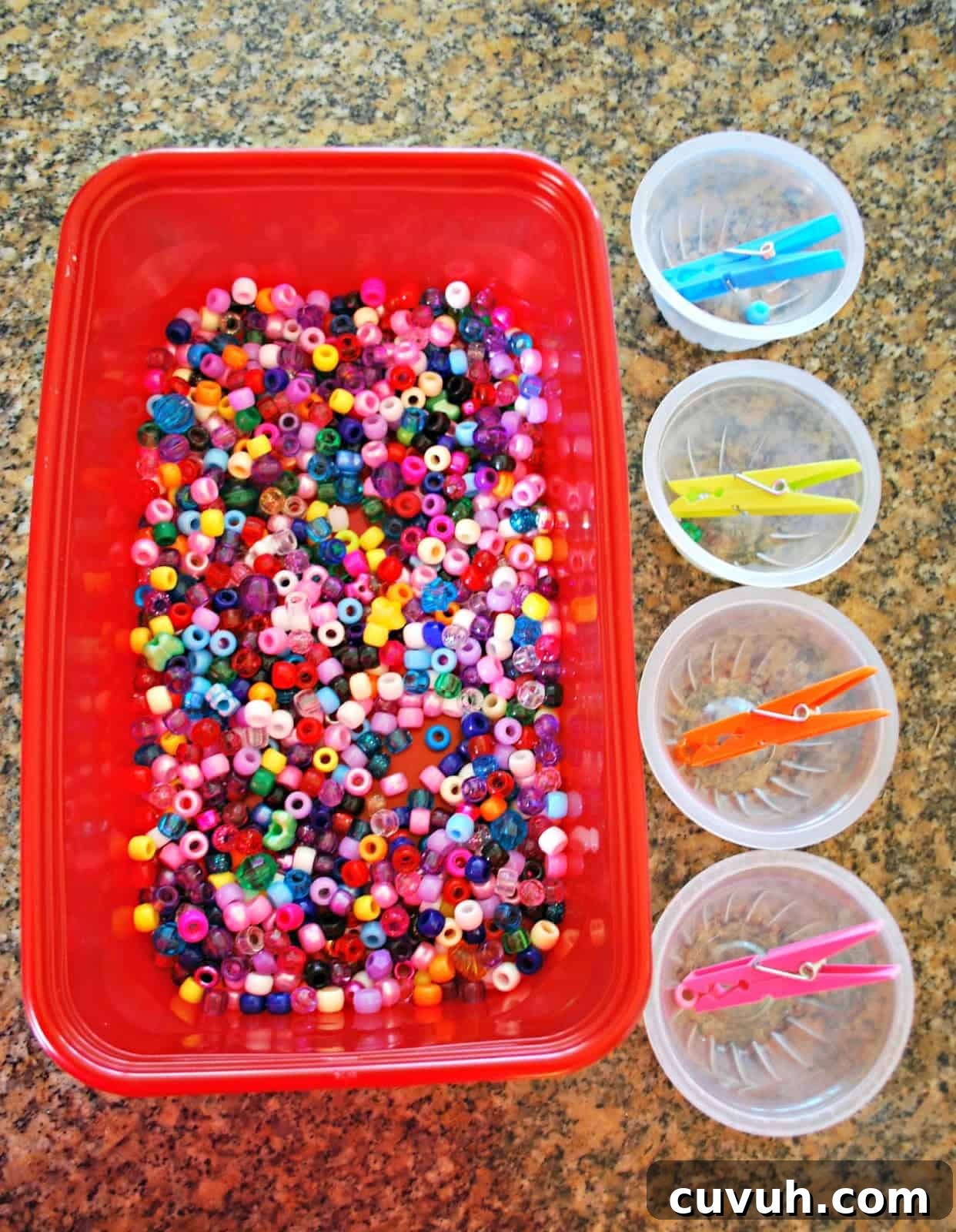
Click for activity
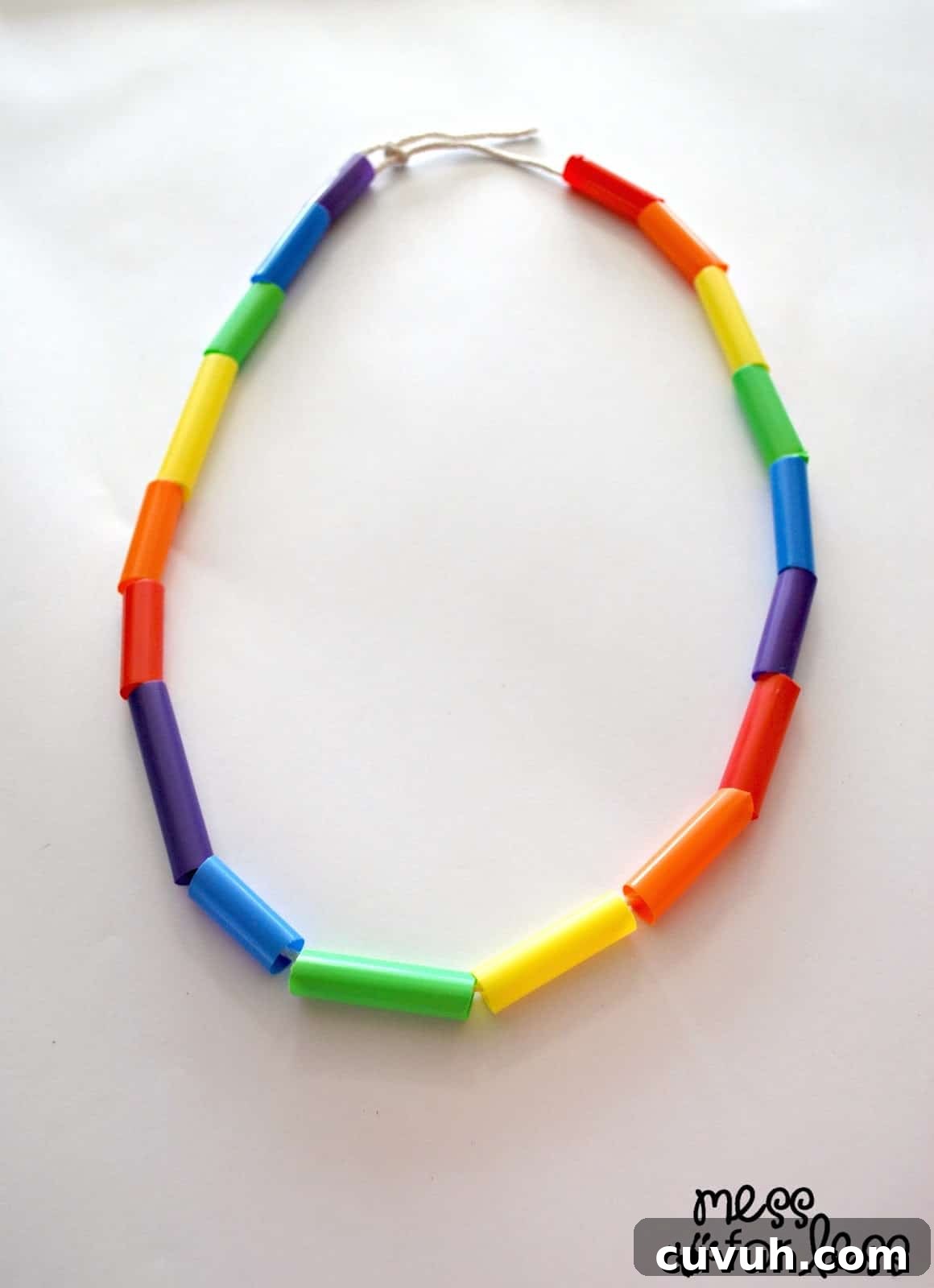
Click for activity
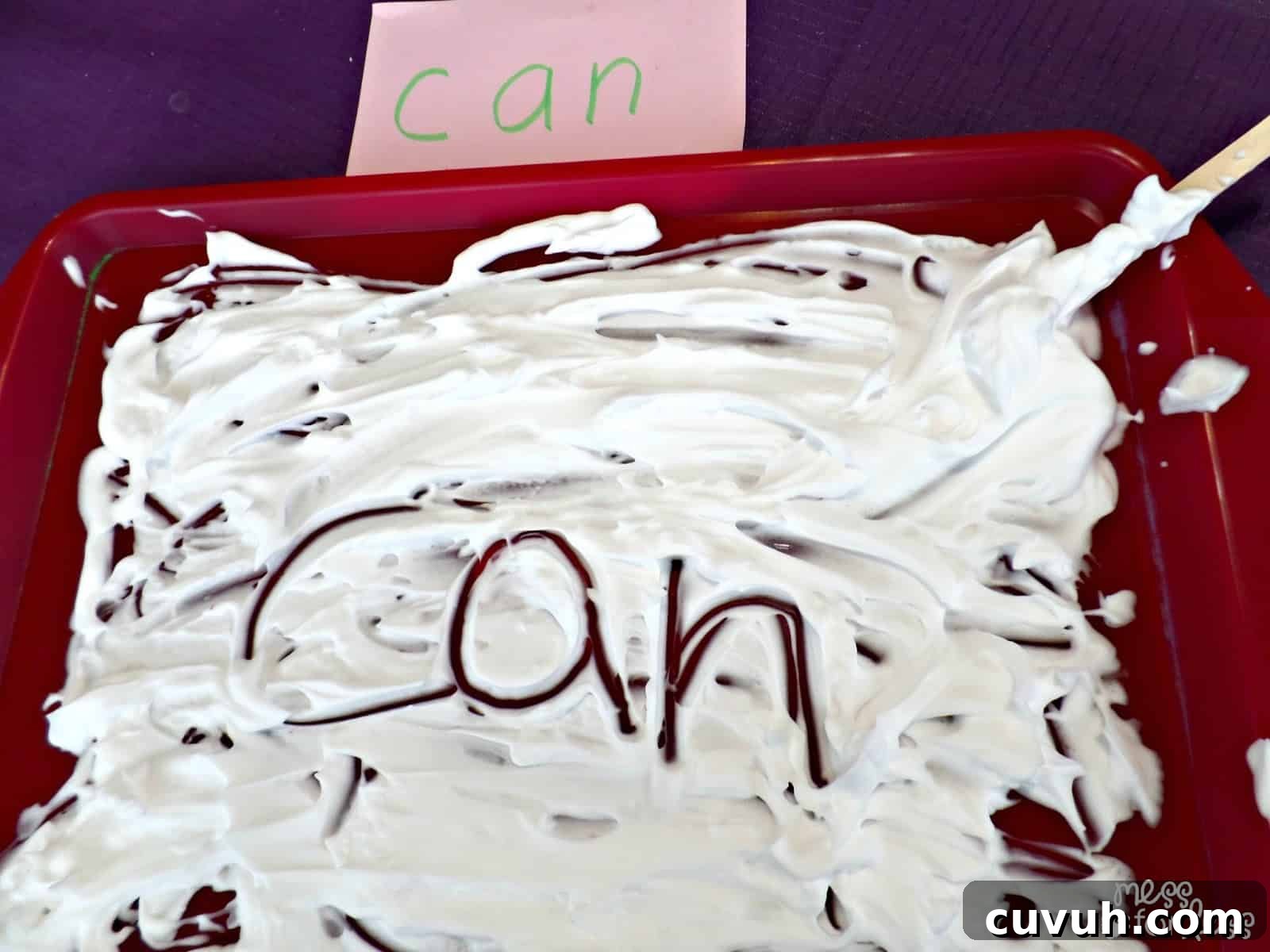
Click for activity
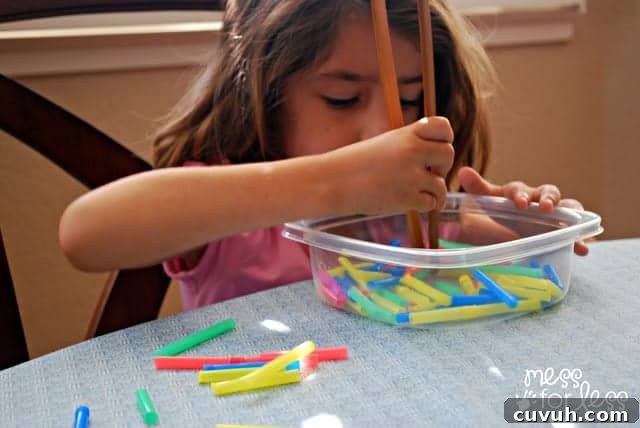
Click for activity